
The Role of Content Marketing in SEO

How Content Marketing and SEO Work Together?
Content marketing involves planning, producing, distributing and maintaining information for a defined audience. SEO improves the conditions under which search engines can find, interpret, and present that information to relevant users. Their responsibilities overlap without becoming interchangeable.
For example, an educational resource might explain a complicated purchasing decision. Content planning determines the questions it addresses and the evidence it includes. SEO research identifies relevant searches, while on-page optimisation clarifies its subject. Technical SEO and site structure then support access and navigation.
Excellent writing cannot compensate for every indexing obstacle. Equally, flawless technical settings do not make an unhelpful page valuable. Treat useful information, discoverability and navigation as connected responsibilities.
Start With Audience Needs and Search Intent
A content plan should begin with the people a business wants to serve. Identify their problems, vocabulary and decision criteria. Search intent provides a practical way to connect those needs with suitable information.
Informational searches often require explanations or instructions. Comparison-oriented searches call for distinctions, costs and trade-offs, while transactional searches usually favour an appropriate product or service page. Navigational searches indicate that someone wants a particular destination. Commercial investigation often combines these behaviours.
Consider a visitor asking how a service works and another asking which service package to choose. The first needs an accessible explanation; the second may need specifications, limitations and evidence for comparing options. One sales-heavy page may fail both audiences. Match the page’s purpose to the question, then choose a call to action appropriate to that stage.
Use Keyword Research to Prioritise Valuable Topics
Keyword research reveals audience language and existing search results. However, search volume alone cannot establish business relevance.
Review these factors together:
Primary and secondary phrases: Identify the central subject and closely related questions without forcing repeated wording.
Search intent: Check whether readers expect a definition, comparison, tutorial, or purchasing page.
Long-tail queries: Find specific concerns that broad terms conceal and that deserve direct answers.
Competition and content gaps: Examine the usefulness of existing results and identify missing explanations or practical detail.
Business relevance: Prioritise topics that connect with genuine audience needs and identifiable objectives.
A specific service query may be more valuable than a broad, irrelevant topic. Integrate selected terms naturally into titles and prose. Repeating exact phrases excessively does not substitute for relevance or editorial substance.
Build Connected Topical Coverage, Not Isolated Pages
Content architecture connects broad subjects with specific answers. A central topic page can introduce a service category, while supporting pages address eligibility, costs, processes, comparisons or common problems.
For instance, a business offering equipment maintenance might connect an overview of preventive servicing with separate resources about inspection frequency, warning signs and repair decisions. Each page needs a distinct purpose; overlap can confuse visitors.
Topic clusters provide a useful editorial planning method, not a guaranteed ranking formula. Their value lies in coverage, navigation and relevant links. Review the existing website before commissioning another page: sometimes improving a weak resource serves the audience better than creating a near-duplicate.
Choose Formats That Match the Question
Format follows visitor needs. A concise answer may resolve a narrow factual query, whereas a complex choice may warrant a comparison with explicit selection criteria.
Possible formats include educational posts, service explanations, product specifications, practical tutorials, research resources, frequently asked questions and video demonstrations with helpful supporting text. Visuals can clarify a process that words alone make difficult. Using every format can obscure the answer.
Give Every Page a Distinct Purpose
An informational resource should prioritise clear explanations rather than constantly pushing a purchase. A service page, by contrast, should establish scope, suitability, exclusions and appropriate next steps. Comparison content should acknowledge meaningful disadvantages alongside benefits.
Quality requires original analysis, checked facts, relevant examples and accurate distinctions, not rearranged common statements. Extra length does not guarantee better rankings; include detail where complexity justifies it and remove material that merely repeats the same point.
Apply On-Page SEO Without Sacrificing Readability
On-page optimisation clarifies a page’s purpose. Descriptive titles should reflect the main question, and a clear introduction should answer or frame it promptly. Organise supporting information beneath headings that follow the reader’s logical sequence.
Use relevant keywords in natural contexts rather than inserting them into every heading. Give meaningful images descriptive alternative text and keep paragraphs readable. Accurate meta descriptions can help visitors judge a search result, although they do not function as a direct ranking factor.
Titles, headings and snippets cannot rescue inaccurate material. After publication, check that important content remains accessible to crawlers and visitors. Check scripts, redirects, canonical settings and indexing directives for obstacles.
Use Internal Links to Connect Content and Decisions
Internal links connect visitors and crawlers with related pages. Their anchor text should describe the destination naturally, rather than repeat a commercial keyword regardless of context.
An explanation of equipment inspection might link to a detailed maintenance checklist and, where relevant, a servicing page. That sequence supports considered decisions. A link to an unrelated service would interrupt the process instead.
Audit pages that receive no relevant internal links, especially valuable older resources. Avoid repetitive links. Effective linking reflects genuine relationships between subjects and makes important destinations easier to find without overwhelming the reader.
Create Resources Worth Citing and Sharing
Useful, distinctive content may attract editorial backlinks. Original research, clearly explained methods, practical tools and reliable comparisons offer stronger reasons for citation than generic promotional claims.
Nevertheless, publishing a resource does not guarantee external references. Subject, usefulness and visibility influence attention. Outreach should present genuine relevance rather than demand a link or exchange payment for ranking influence.
Backlinks can support discovery and search performance, but they are not the only measure of editorial value. A resource may support customers even without external links.
Plan Content Across the Customer Journey
Visitors do not all arrive ready to purchase. Early-stage researchers may need to identify a problem; later, they might compare solutions, examine limitations or check implementation requirements. Existing customers may need practical instructions.
Map these stages to appropriate content goals. Educational resources can introduce terminology and options. Comparison pages can clarify suitability, while service pages can support enquiries with specific information. Troubleshooting resources can assist existing customers.
Avoid treating every informational visit as an immediate sales opportunity. Offer relevant next steps, even when decisions happen later.
Distribute Content Beyond Organic Search
Publication does not ensure audience reach. Share appropriate material through newsletters, relevant professional communities, existing customer communications and social channels where the subject fits audience interests.
A technical explanation may suit a specialist community, while a short visual summary may communicate its central point to a broader audience. Adapt presentation without changing facts or repeating promotional messages.
Distribution can create referral visits, conversations and opportunities for genuine editorial citations. However, social shares and ordinary engagement statistics do not automatically act as direct search ranking factors. Measure reach, relevant referrals and downstream actions instead.
When Specialist Editorial Support Is Useful?
Some organisations lack capacity for research, editorial coordination and maintenance. In those circumstances, professional content marketing services may support structured planning and consistent execution, provided the work retains clear editorial accountability.
Evaluate processes, not traffic promises. Useful criteria include subject knowledge, thoughtful search-intent research, factual checking, transparent revisions, internal-link planning and a measurement approach that reflects business priorities. The organisation should still supply accurate product information and approve claims that require specialist verification.
Maintain Existing Content as Carefully as New Material
An editorial calendar should reserve time for published pages, not only upcoming topics. Facts, links and reader expectations change. Reviews identify answers that no longer serve readers.
Prioritise updates using business importance, search performance, factual risk and visitor feedback. Correct inaccurate details, replace obsolete examples and expand sections only where significant questions remain unanswered. If several pages serve the same intent, consider consolidating their strongest material and managing redirects carefully. Review purpose and links before removal.
Changing a publication date without improving the content does not create fresh value. Minor edits also cannot guarantee rankings. Record substantive revisions and evaluate whether they improve usefulness or resolve a documented problem.
Measure Search Visibility and Business Contribution Separately
Content marketing should produce identifiable outcomes, but different pages contribute at different stages. Educational pages may generate impressions before enquiries. A comparison page may attract fewer visitors yet assist more purchasing decisions.
Track several categories of evidence:
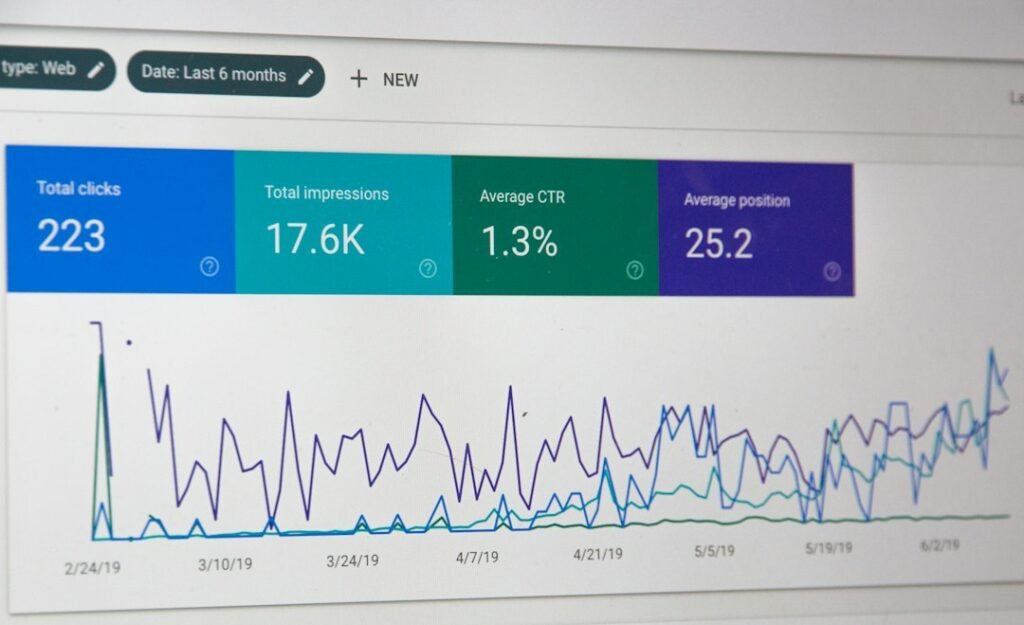
Visibility: Relevant impressions, organic clicks, important query coverage and non-branded search trends.
Website use: Landing-page performance, internal navigation and whether visitors reach helpful related resources.
Commercial outcomes: Qualified enquiries, conversions, assisted journeys and revenue where reliable attribution exists.
Editorial value: Genuine external citations, content accuracy, maintenance requirements and gaps in subject coverage.
Seasonality, competition and technical changes can affect performance independently. Compare suitable periods and document major website changes. Engagement figures such as bounce rate or time on page can inform editorial decisions, but neither should be presented as a confirmed direct ranking factor.
Avoid Common Content Strategy Mistakes
Publishing volume should not outweigh audience relevance. Avoid these mistakes:
Chasing broad search volume: High traffic potential offers little value when visitors lack a relevant need.
Publishing overlapping pages: Repeated coverage without distinct purposes can fragment navigation and confuse topic selection.
Ignoring technical accessibility: Excellent information cannot help organic discovery when indexing obstacles block important pages.
Stuffing keywords: Forced repetition weakens readability and cannot replace genuinely useful explanations.
Neglecting maintenance: Outdated claims and broken journeys can undermine even previously successful resources.
Assess each problem through its consequences. Growing impressions without enquiries may indicate weak audience targeting. A valuable page with weak visibility may require technical inspection before another rewrite.
Build an Editorial Workflow That Supports Quality
Sustainable production needs decisions, not rigid quotas. Prioritise topics by audience needs, relevance and existing coverage. Create briefs that specify the question, audience, intended outcome, essential facts and related pages.
Next, draft with clear evidence and editorial ownership. Review accuracy, structure, language and search intent before publishing. Check titles, internal links, accessibility and indexing settings, then record the publication or revision date. Review performance once sufficient data accumulates.
Balance creation with maintenance. A carefully improved resource can sometimes serve readers better than several new pages. Match schedules to complexity and team capacity.
Conclusion
Content marketing contributes to SEO when useful information meets identifiable search needs and a technically accessible website makes that information easy to find. Effective strategies connect audience research, careful editing, internal links, distribution and meaningful measurement. They also recognise that visibility, engagement and commercial value represent different outcomes. Prioritise pages that answer worthwhile questions, improve existing resources when necessary and judge progress through relevant evidence rather than publishing volume alone.
Frequently Asked Questions
1. How does content marketing support SEO performance?
Content marketing supplies useful, relevant material that search engines may present for suitable queries. SEO helps organise that material, clarify its purpose and remove discovery obstacles. Together, they support search visibility when pages answer real questions. Outcomes still depend on competition, website accessibility, editorial quality and changing search demand.
2. Are content marketing and SEO the same thing?
No. Content marketing plans, creates, distributes and maintains resources for a particular audience. SEO also addresses technical accessibility, site structure and search relevance. The two overlap through topic research and page optimisation, but effective SEO includes responsibilities beyond publishing, while content marketing can serve audiences through other channels.
3. Which content formats work best for SEO?
The best format follows the query’s intent. Tutorials suit practical tasks, comparison pages support evaluation and service pages explain offerings and next steps. Visual demonstrations can clarify complex processes. Choose the format that communicates the answer effectively instead of assuming longer posts or particular media always achieve better results.
4. Why is keyword research important for content planning?
Keyword research reveals audience vocabulary, common questions and the kinds of results people expect. It helps prioritise relevant topics and identify gaps in existing coverage. However, search volume alone does not indicate business value. Pair keyword observations with intent, competition and the practical needs of your intended readers.
5. Will publishing more pages automatically improve rankings?
No. Additional pages help only when they provide distinct, useful information and remain accessible to search engines. Repetitive or overlapping pages may confuse visitors without expanding meaningful coverage. Review existing resources before creating more. Editorial quality, relevance, competition and technical conditions matter more than an arbitrary publishing target.
6. How do internal links strengthen content marketing?
Internal links connect explanations, supporting resources and relevant product or service pages. Descriptive anchors help visitors anticipate what comes next and help crawlers locate related information. Link where the destination genuinely extends the current subject. Excessive, repetitive or irrelevant links can weaken navigation rather than improve it.
7. Can useful content attract backlinks naturally?
Yes, especially when it offers original findings, practical resources or distinctive explanations that other publishers want to reference. However, citations depend on relevance, visibility and editorial decisions outside your control. Useful content does not automatically earn links. Avoid manipulative exchanges and assess references for genuine contextual value.
8. How should businesses measure content marketing results?
Match the metric to each page’s purpose. Search impressions and clicks describe visibility; qualified enquiries and conversions indicate commercial outcomes. Internal navigation and relevant referrals provide supporting context. Compare trends across appropriate periods and account for external changes. Not every educational visit produces an immediate sale.
9. How often should existing content receive updates?
Use a risk-based schedule rather than changing every page at fixed intervals. Review fast-changing factual material more frequently and inspect important evergreen resources when performance, audience needs or internal links change. Update inaccurate sections and consolidate unnecessary overlap. Changing dates alone does not make content more useful.
10. Is content marketing still useful as AI-assisted search grows?
Yes. Clear, accurate material remains valuable for readers and can also support information retrieval across different search experiences. However, no content format guarantees inclusion in generated answers. Prioritise accessibility, factual accuracy, distinct explanations and identifiable user needs, then measure actual referrals and business outcomes rather than predicted visibility.