Plan SEO, paid advertising, content and website improvements around the customers you want to reach and the outcomes your team can measure.

A digital marketing agency can help businesses that need specialist skills, extra capacity to deliver campaigns or support coordinating work across channels. The scope depends on where your team needs help, who can approve changes and how many customers your business can serve.
In a small business, one person may update the website, respond to enquiries and organise promotions. They know which questions customers ask before booking, but they may have little time to check whether the website answers those questions or appears when people search for the service.
An SEO specialist can use that customer knowledge to review the pages that attract relevant searches and identify information gaps. If your priority is paid advertising, you may need help reviewing campaign targeting or clarifying an offer that attracts enquiries for services you do not provide.
An in-house team can have a clear campaign plan and still struggle to produce everything on schedule. Extra support can help when writing adverts, preparing creative assets or updating landing pages competes with ongoing work and delays planned launches.
Look at which tasks repeatedly slip and whether the need is temporary or recurring. A seasonal promotion may call for help preparing assets, while a team managing several active campaigns may need ongoing support reviewing results and implementing approved changes.
When search, social media and website teams promote the same offer, each needs accurate information about pricing, availability and eligibility. One team may update its copy before another hears about the change, leaving customers with conflicting details across the channels they use.
Agency support can help connect the teams that prepare those materials. A shared brief gives everyone the approved offer details, and a named contact can confirm changes before they go live. Your team should identify who can approve updates to each channel.
A business moving into a new market may need help researching how people there describe the service, compare suppliers or make contact. Those differences can affect the search terms you target, the information you highlight and the pages you send visitors to.
Your team can supply the commercial details that make the research useful. Confirm where you can deliver, the terms that apply in that market and who will handle enquiries. An agency can then focus its work on audiences and locations you can serve.
A business with spare appointments or stock may need support reaching more suitable customers. One that already receives more enquiries than staff can answer may benefit from clearer service information or a form that helps the sales team identify which requests it can fulfil.
Ask the people who handle enquiries where problems arise. If many requests come from outside your service area, review targeting and page wording. If suitable prospects wait too long for a reply, check who can respond before asking an agency to increase enquiry volume.
Hire a digital marketing agency when you can explain what needs to change and give someone on your team responsibility for decisions. A launch deadline, recurring campaign delays or unreliable tracking can give you a reason to start. Your readiness will determine what you commission first.
Set an objective that will help the agency recommend work. If you want more qualified enquiries, describe what makes a prospect suitable and share your enquiry volume if you track it. That gives both teams a starting point for assessing progress.
If your objective is broad, identify the product, service or market that matters most. A short review can help you establish a baseline and decide what to prioritise. Give the agency any sales or campaign records that explain how you reached that decision.
Work backwards from a launch date to allow time for campaign setup, page updates, approvals and tracking checks. Share the deadline when you contact the agency. Mention any dates that depend on product availability, website development or approval from another team.
If the date is close, decide what customers need when the offer goes live. Prioritise accurate information, a working way to order or enquire and someone to respond. Ask which campaign activities can start once those essentials are ready and which can follow later.
Review campaigns if the same work repeatedly slips. Work out whether delays come from production, implementation or decisions about the offer. If your team struggles to prepare adverts or update pages, you can scope those tasks for outside support.
If approvals cause delays, appoint someone who can resolve conflicting feedback and confirm the final decision. Share the approval steps before the agency proposes a schedule. This helps both teams estimate when work can proceed and where they need input from other departments.
Check whether you can identify which campaigns generate completed forms, calls or purchases. If your reports count visits but miss actions that matter to the business, you can start with a tracking review. That gives you a clearer basis for setting targets.
Consider what happens after someone makes contact. If you can count enquiries but cannot see which ones qualify or progress, agree on what sales will record and how marketing will use it. Bring those requirements to the first conversation so the agency can assess the setup.
Before you increase promotion, check who will respond to enquiries and how many they can handle alongside their other duties. Ask about changes in staffing, stock or appointment availability that could affect the number of customers you can serve.
If capacity is tight, give the agency a realistic starting point. You might focus on one service or location your team can cover, then review enquiry volume and quality before widening the campaign. Agree when your team will share feedback on what it can handle.
When you compare digital marketing services, check what the agency will review, what you will receive and who will approve changes. A proposal from ANS Web Solution should show whether the work suits your priorities and what your team needs to provide.
The scope should name the accounts, campaigns and website pages the initial review will cover. A search review may look at whether priority pages appear for relevant queries. A paid media review may examine targeting, advert copy and the landing pages.
Ask how the agency will record its findings. Each finding should identify the page or campaign, explain the issue and note what needs checking before you make a change. Your team can then see whether the proposed work addresses the issue.
Look for proposed actions and the reason for each priority. If the agency suggests fixing a product page before promoting it, the scope should explain which detail needs updating and who can confirm that the revised information is accurate.
Check what has to happen before each task can start. A change to a form may need a developer, while a change to service terms may need approval from operations. Ask how the agency will record these dependencies and flag work that must wait.
A campaign brief should give your team a place to confirm the audience, offer, main message and action you want customers to take. It should also name the pages and creative assets the agency needs to prepare or update before the campaign goes live.
Check which materials you will supply and who will check them. Your team may need to provide current prices, product images or brand wording. Identify the person who can verify those details so the agency can use approved information when preparing campaign assets.
The scope should show which deliverables your team will review and who can approve publication. Ask where to leave comments and how the agency will incorporate them. If several people review the same item, nominate someone to consolidate feedback before sharing it.
Confirm how the agency will handle a request that changes the agreed work. Adding a landing page or changing an approved offer can affect other deliverables. Ask how the agency will explain the impact on the scope, schedule or cost before work resumes.
Check which customer actions the agency will set up or review for measurement. These may include completed forms, purchases or calls, depending on the objective and the systems available. The scope should say who will configure tracking and who will test that it works.
Ask which website and account permissions the agency needs for those checks. If your sales team records enquiry outcomes in a separate system, confirm whether the agreed work includes linking those outcomes to campaign records. Have the agency document any gaps it identifies.
Review the proposed reporting format and frequency before approving the work. Check whether it covers campaign activity, results against agreed measures and decisions that need your input. Confirm which sources the agency will use and who on your team can access the underlying data.
If you need figures for individual services, locations or products, confirm that the reporting setup can capture that detail. A single enquiry form may need an extra field or another way to identify the service a prospect selected before you can report by service.
Ask where your team will find the current scope, approved assets, reports and records of changes. Confirm who will update those records after an approval or a campaign change. Both teams can then check which version applies when they review work or prepare the next update.
Working with a digital marketing agency can help you keep campaign messages consistent, identify why enquiries fall short and make better use of your budget. The benefits depend on what you share with the agency, from offer details to feedback on which enquiries become customers.
Customers see an offer in one place and check the details somewhere else. If an advert promotes an introductory price, the landing page should explain who qualifies, how long the offer runs and what the customer needs to do next.
A shared campaign brief gives the people writing adverts, updating pages and scheduling posts one place to check those details. When terms change, your team can use the brief to identify which materials need updating and remove outdated information.
If website visits rise but enquiries stay flat, a specialist can examine the searches bringing people to the site, the pages they visit and what happens when they reach the enquiry form. Look for the first step where interest drops.
If many visitors start the form and few complete it, look at the information you ask them to provide. Removing a field your team rarely uses gives you a specific change to test before spending more to attract visitors.
Marketing can show how many enquiries a campaign generated. Sales can show how many of those prospects needed a service you provide, met your criteria or progressed to a quote. Bringing both views together gives you a clearer picture of what the campaign delivered.
Agree on what counts as a qualified enquiry and record each outcome. When you can connect those outcomes to campaign sources, you can compare the cost of generating a suitable enquiry across channels. Where source data is incomplete, use the figures with that limitation in mind.
A campaign that brings in suitable enquiries at a cost you can sustain may justify a gradual budget increase. Check that your team can respond to the additional enquiries and that you have the stock, staff or appointments to serve customers who proceed.
Give each channel a measure that reflects its role. A campaign aimed at people ready to request a quote can use qualified enquiries to assess performance. Content for buyers still weighing their options can use visits to comparison pages or other actions that show interest.
An agency can prepare campaign materials with fewer revisions when your team supplies current product details, approved images and accurate prices before production. Confirm who can answer questions about the offer and who can approve the wording before the campaign goes live.
Timely approvals matter when business conditions change. If a launch date moves or a product becomes temporarily unavailable, the agency can identify affected adverts and pages. Your named approver can confirm which details to replace and when the updates should go live.
Share operational changes when you review campaign results. If sales reports an increase in requests outside your service area, the agency can check whether campaign targeting or page wording attracts people you cannot serve. Your team can then agree which change to make first.
A regular review gives you a chance to revisit priorities as demand shifts. If customers enquire about a service with limited availability, you can discuss whether to adjust the message, direct spend towards a service with more capacity or pause promotion until you can fulfil demand.
To see whether an adjustment helped, agree in advance what to check. A targeting change might call for a review of enquiry locations, while a revised form might call for a check of completion rates. Use the result to decide whether to keep the change.
ANS Web Solution offers digital marketing services that help customers find your business, compare what you offer and take the next step. Choose services based on where customers need help. Some businesses need search visibility, while others need clearer website content or support promoting an offer.
Search engine optimisation (SEO) helps search engines find your pages and connect them with relevant searches. We research the terms customers use, assess which pages should answer those queries and review technical issues that may affect how they crawl or index your content.
For businesses serving specific areas, local SEO can include improving business profiles, reviewing directory listings and updating location pages. The work helps people check whether you serve their area, find contact details and confirm what you offer before they call or visit.
Pay-per-click (PPC) advertising lets you promote products or services to defined audiences. We can manage campaign setup, targeting and bids, then review performance. You can start with one priority offer or discuss campaigns for different products, regions or customer groups.
Paid search can reach people looking for a supplier. Paid social can introduce an offer to people who match your audience criteria. For either channel, the advert should set an accurate expectation and send visitors to a page that explains how to act.
Content marketing helps buyers answer questions before they commit. We can develop website copy and educational resources that explain what your services include, clarify how buyers can compare options and answer questions people ask before buying.
Search research helps identify questions that deserve their own page and details that belong on a service page. Your sales team can highlight where buyers hesitate, which terms need explaining and what prospects want to know before they request a quote.
We develop social media strategies for the platforms that suit your audience and objectives. The scope can cover content creation, campaign management and performance reporting. A business can use social content to explain a new service, answer recurring questions or share an update with customers.
Plan social posts alongside the pages they point to. If a post promotes a product or offer, the destination page should confirm availability, terms and the next step. This gives readers enough information to decide whether to enquire, place an order or visit.
Website design and development can help visitors find the information they need and complete actions such as sending an enquiry. We can design responsive pages that present service details, navigation and contact options clearly on phones, tablets and desktop computers.
If visitors reach a service page but rarely enquire, review how quickly they can find the offer details and use the form on a phone. Changes to page layout, wording or form fields can address obstacles before you invest in attracting more visitors.
Analytics and reporting help you assess performance against the purpose of each service. An online shop may track purchases, while a service business may compare completed forms with the number of enquiries that meet its criteria. The scope determines what data we can review.
Online reputation management can include monitoring reviews and helping you encourage customer feedback. Reviews can also reveal questions your website leaves open. If customers regularly ask about booking, collection or service coverage, their feedback can inform updates to the pages people consult before contacting you.
Your digital marketing plan sets out what you want to achieve, who you need to reach and how each channel will contribute. When you review a proposal for digital marketing services from ANS Web Solution, check that it gives you enough detail to approve the priorities, budget and responsibilities.
The plan should name the business result you want and the product, service or location it applies to. A target such as increasing qualified enquiries for a priority service gives you a basis for choosing channels and assessing whether the plan addresses your objective.
Check how the plan describes your priority audiences. It can record what they need, which locations you can serve and what action you want them to take. If the proposal covers several audiences, review which group will receive attention first and why.
Initial research should explain what informed the priorities. Depending on the brief, the agency may review search behaviour, existing pages, campaign results or feedback from your sales team. Ask which findings support the proposed work and which assumptions need testing.
Where information is incomplete, the plan should say how you will fill the gap. If enquiry records omit the service people asked about, you might agree to record that detail before choosing which offers to promote. Confirm who will collect it and when you will review it.
Each proposed channel should have a role. Search advertising might target people ready to request a quote, while website content answers the questions prospects ask before choosing a supplier. Check how the channels connect and what customers should see or do when they move between them.
The work should have a practical sequence. A landing page may need updated terms and a working enquiry form before paid promotion starts. Check which activities can run together and which depend on research, technical work or an approval from your team.
Review how the plan allocates the budget across agency fees, advertising spend and any agreed website or creative work. Check whether the figures cover the full period or a specific phase. If a cost depends on the agreed volume of work, ask what assumption the estimate uses.
Ask how a change in priorities could affect the budget. Extra landing pages, additional creative formats or new markets may require a revised scope. Confirm who can approve those changes and how your team will review their effect on the budget before committing to any additional work.
Deliverables depend on the services you select. An SEO plan might specify the page groups it covers and the work proposed for them. A paid campaign plan might name the offers, audiences and assets it includes. Review the proposed quantities or coverage before you approve the plan.
The plan should also show who supplies product details, prepares materials, implements changes and approves publication. Discuss access to the accounts or website systems the work requires. Where your team or another supplier handles implementation, confirm who checks that the agreed changes go live.
Agree on how you will assess progress before the first campaign or website update goes live. Identify the measures tied to your objective, the source of the figures and the baseline you will use where one exists. If qualified enquiries matter, decide how your sales team will record them so you can review results consistently.
Check when both teams will review results and which decisions those reviews will inform. Agree on the conditions for adjusting a channel, revising a page or changing the budget. If a measure cannot capture the result you want, discuss what other evidence you can collect and who will review it.
ANS Web Solution provides digital marketing services for sectors including e-commerce, healthcare, education, real estate, manufacturing, technology, financial services, hospitality and travel. We shape the work around how your customers make decisions, when demand changes, who checks campaign information and what your team does after someone enquires.
E-commerce campaigns can focus on product categories with enough stock and competitive offers. Before choosing which products to promote, identify the details customers need to compare them. Delivery charges, sizing and returns information can influence whether people complete a purchase.
Travel and hospitality campaigns depend on seasonal demand and availability. Search adverts can promote packages or dates that still have availability, while destination or property pages can explain what a booking includes. Share booking availability with the campaign team so it can update offers when capacity changes.
Healthcare organisations may prioritise local visibility and clear appointment information. Service and location pages can explain where people can book, whom they should contact and which locations provide the service. Give a designated reviewer responsibility for checking clinical wording and appointment details before publication.
Financial services campaigns may need to explain eligibility, product terms and the steps involved in making an enquiry. Ask your product or compliance team to confirm wording before it appears in adverts or on landing pages. Build that review into the campaign schedule so teams can coordinate updates.
Educational institutions can align course promotion with application deadlines and intake dates. Search campaigns can direct prospective students to programme pages that explain entry requirements, course format and application steps. The admissions team can flag recurring questions and confirm which details matter before students apply.
Real estate campaigns can focus on locations and property types that match current inventory. Listing pages can explain availability, price ranges and viewing arrangements where relevant. Ask your team which enquiries warrant a call, a viewing or information on another property so follow-up reflects buyer needs.
Manufacturing buyers often assess technical specifications, production capabilities and delivery requirements before requesting a quote. Search and website content can make those details easier to find. Consult your sales and technical teams to decide which information buyers need online and which questions warrant a conversation.
Technology companies may need to reach people who assess the same product from different perspectives. A product page can address the user’s needs, while separate material can answer questions about integration or implementation. Decide which information buyers need before a demo and which details belong in follow-up.
For professional services and home improvement businesses, a campaign may need to account for where staff can travel and when they can take on work. Location pages and search campaigns can focus on areas you serve, while enquiry forms capture details your team needs to assess each request.
A business that handles work by appointment may need a way to route enquiries to the right branch or person. If requests arrive faster than staff can answer, check where delays occur. Your campaign can concentrate on locations or services with capacity while your team addresses the delay.
When we plan digital marketing services for different markets, we start with how people search, what they expect from an offer and what your business can deliver in each location. Those details shape which keywords we use, what campaign pages explain and when each promotion should run.
Customers in different markets may use different names for the same product or service. We review the terms people use and the results those searches return. A phrase may bring up suppliers in one market and mainly informational pages in another, which changes whether it suits a sales campaign.
We group queries by what people want to do, such as check availability, compare features or request a quote. That helps us decide which terms belong on a service page and which need supporting content. Your team can confirm the terms customers use in sales conversations.
Translation carries the meaning of your copy into another language. Adapting a campaign to local search intent also involves choosing which buyer questions to answer and which action to present. Even markets that share a language may use different product terms, spelling or expressions when comparing suppliers.
We use those differences to decide what to emphasise in adverts and headlines. Buyers in one market may look first for delivery details, while those elsewhere may want to see pricing or installation options. Ask your team to confirm which details affect the buying decision.
Before promoting an offer, we clarify where it applies and what customers need to know before acting. The landing page may need market-specific prices, delivery areas, service terms or contact details. The advert should match what that page shows at the time someone clicks.
The next step should also reflect how your business handles demand in that market. If your team can accept orders online, the page can make that route easy to find. If prospects need a quote, the form can request the information your sales staff need to respond.
Channel priorities depend on where people look for information and how close they are to a decision. Search advertising may suit buyers who already know what they need. Social content may help introduce an unfamiliar offer, while website content gives prospects somewhere to check the details.
We also consider when the campaign can run. Seasonal demand, local holidays, time zones and stock availability can all affect scheduling. If a promotion encourages people to call or book, confirm when staff can respond and when customers can access the service.
Agree who can confirm prices, availability and wording for each market. One person may manage shared brand assets while another checks details for a particular location. Give each reviewer the pages and adverts that need approval so changes can reach all relevant materials.
Keep a record of what varies by market and who owns each decision. If an offer changes in one location, the campaign team can use that record to find the affected adverts and pages. Confirm who will check the updates after publication and notify sales.
Review results by market when the data allows it. If one location receives fewer suitable enquiries, check which searches bring people to the page and what happens after they make contact. Differences in tracking or follow-up can affect the comparison, so confirm what each set of figures captures before you reallocate budget.
When you discuss a campaign with ANS Web Solution, share the markets you want to reach, the offers available in each and how your team handles orders or enquiries. We can use those details to identify which campaign materials can serve several markets and which need local changes.
At ANS Web Solution, our digital marketing process starts with your business objectives and current activity. We use what we find to plan and launch the agreed work, then review results to decide what to adjust. When the work includes several digital marketing services, we agree on how the tasks fit together and where we need your input.
We begin by discussing what you want customers to do, which products or services matter most and what your team can support. Share any deadlines, campaign results and feedback from the people who handle enquiries. Those details help us identify what to examine first.
We review the relevant channels, pages and records within the agreed scope. We look for evidence to set priorities, such as a page that attracts relevant visits but leaves common buyer questions unanswered. We discuss any gaps or conflicting information with your team.
Once we agree on the priority, we set out the tasks to address it. For a campaign, that may include preparing adverts, updating a landing page and measuring enquiries. We confirm which tasks can run in parallel and which depend on a decision or website change.
Before production starts, we ask your team to confirm the offer details, available assets and approval responsibilities. If a developer needs to implement a change or another team must approve the wording, we factor that into the order of work and confirm what can proceed meanwhile.
We prepare the agreed campaign materials or website updates. Your team reviews business details such as prices, product information and terms. When feedback changes the offer, we check which other materials need the same revision before sending the work for final approval.
Before launch, we check the path customers will follow from the advert, search result or post to the intended action. Where the scope includes tracking, we test whether the agreed actions register. If an issue affects the offer or customer experience, we confirm what needs fixing before launch.
After approval, we publish the agreed changes or activate the campaigns. We check that people reach the intended pages and can use the relevant forms or links. If we find a problem, we assess which activity it affects and agree on the next action.
Early checks help us establish whether the campaign is delivering as planned and whether the data is coming through. We use the agreed measures once enough information is available to assess progress. Your team can tell us if sales conversations reveal concerns that the figures cannot show.
We review what changed, how the relevant measures moved and what your team observed. If more visitors reach a page but enquiry quality drops, we check the traffic sources, offer wording and sales feedback before deciding where to focus.
A review can lead to a specific adjustment, such as revising advert copy, clarifying a page or changing which audience a campaign reaches. We agree on what the adjustment should improve and what we will check afterwards so we can decide whether to keep it.
When ANS Web Solution provides digital marketing services alongside your in-house team, we agree who makes decisions, who carries out the work and where each team needs input from the other. A division of responsibilities helps your marketing, sales and development colleagues contribute at the right points.
Start with the work your marketing team already manages. You might keep editorial planning and brand direction in-house while asking us to manage agreed campaign updates. Identify who can authorise routine changes and who should review decisions that affect messaging, priorities or spending.
Name a contact who can route questions to the right person. Your marketing lead may handle day-to-day decisions, while leadership approves changes to the budget or campaign objectives. Agree where to record decisions so colleagues can see what has approval and what still needs a response.
Confirm which advertising, analytics and website accounts your business owns and who administers them. We can then discuss which permissions the work requires. Someone reviewing reports may need viewing access, while someone publishing changes may need permission to edit in the relevant account.
Agree how your team will grant, review and remove access when roles change. If another supplier manages an account, identify who can authorise access and which materials they can hand over. Record who controls billing and who can approve changes that affect what the business pays.
Tell us where to find current brand assets, product information and approved wording. Version details matter when prices, service terms or visual assets change. Identify who can confirm which file applies so that the people preparing adverts, emails or pages work from the same information.
Decide who will gather feedback when several departments review the same material. One person can consolidate comments and flag questions that require a decision. When the feedback changes an offer or its terms, confirm who will approve the revised wording before anyone updates campaign materials.
For website changes, agree whether your developers or our team will implement the work. Share any requirements for testing, release approvals or deployment windows. That information helps us prepare changes your developers can review and flag tasks that depend on a release before they schedule them.
A handover should tell the person implementing a change which page needs work, what to update and how to verify it. If a developer changes a form, agree who tests the submission and checks that it reaches the right inbox or sales system before closing the implementation request.
Your sales team can explain what happens after someone enquires. Agree who will receive each type of request, how staff will record its outcome and which details they can share with marketing. Feedback on unsuitable enquiries can help us review targeting, wording or the information a form requests.
When a campaign changes what you promote, tell the people who answer calls and messages. Give them the offer details and the pages customers will see. If a service is available in selected areas or on certain dates, make sure staff can confirm those conditions when someone asks.
Agree where to raise questions about approvals, results and changes to the work. A shared record can show who owns an action, when they expect to complete it and what they need from another team. Decide how to flag requests that affect a launch or a live campaign.
When someone changes roles or another supplier takes over a task, confirm what the incoming team needs. That may include approved assets, account permissions, open requests and a record of recent decisions. Agree who will pass those items on and answer questions about the work.
When ANS Web Solution reports on your digital marketing services, we connect campaign figures to the decisions you need to make. We start with the campaign objective, check what the available tracking captures and explain what the results can tell you about reach, enquiries or sales across the channels in scope.
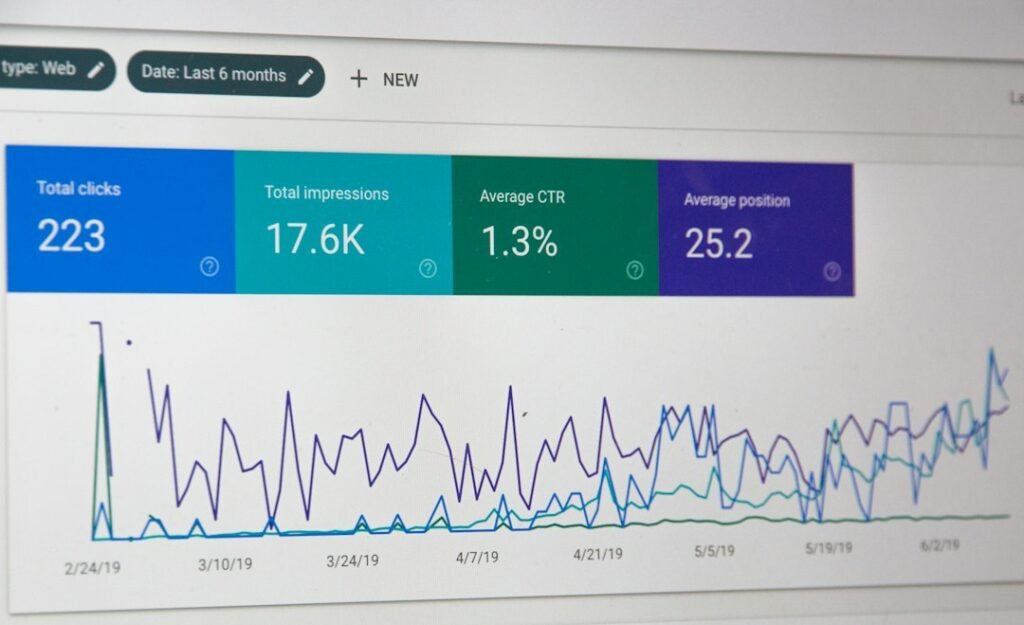
Impressions tell you how often an advert or search result appeared. They help you assess whether the campaign is getting exposure, particularly after a launch or targeting change. A rise in impressions gives you a reason to check whether clicks and relevant visits rose as well.
Traffic figures help you see which channels bring people to your website and where they land. If visitors reach a page different from the one you intended to promote, review the search terms, links or adverts that brought them there before changing the page itself.
A conversion is an action you choose to measure, such as a completed enquiry form or a purchase. Define what counts before you compare results. A click on a phone number records interest in calling, while a connected call shows someone got through.
Check which pages and actions the setup covers. A form may work on several pages while tracking registers submissions on only some of them. If tracking coverage changes during the reporting period, we flag that change so you can interpret any rise or fall in recorded conversions.
Enquiry totals show how many contact requests you recorded during the reporting period. To assess lead quality, agree what makes an enquiry suitable. Your sales team may check the service requested, the location and whether the prospect has supplied enough information to move the conversation forward.
When sales records include outcomes, we can compare enquiry volume with the number of enquiries that progress to a quote, appointment or order. If the figures diverge, review where requests drop out. Campaign wording, eligibility and the time it takes to follow up can all affect that result.
Revenue can help you assess campaigns when you can connect orders or completed sales to the activity you measure. For businesses with longer sales cycles, some enquiries may take weeks to become customers. Check which sales period the report covers before comparing revenue with campaign spending.
Attribution describes how a reporting system assigns credit to a channel or interaction. A customer may first see an advert and later return through search. Different reports may credit different visits, so we check which attribution rules and time windows apply before drawing comparisons.
We report figures alongside changes that could help explain them. If visits rise and form completions stay flat, we can review who reached the page and whether it gives them enough information to enquire. If enquiry quality drops, check whether targeting and offer wording match your criteria.
Use the same approach when reviewing spend. If a channel brings in fewer enquiries but more of them qualify, compare the cost per qualified enquiry where the data supports it. Consider how the channel contributes to earlier buyer decisions before moving budget based on one measure.
Agree which decisions you will make from the report and who will act on them. A page change may need your website team, while sales may need to review how staff record follow-up. Assigning ownership helps both teams see whether the agreed changes happen.
Record the measure you will check after each adjustment. A clearer offer may call for a review of unsuitable enquiries, while a revised form may call for a review of completed submissions. If tracking gaps prevent a reliable comparison, agree what to fix before the next review.
Choose ANS Web Solution if you want a digital marketing agency that can connect search, advertising, content and website work around a business priority. In an initial discussion, we can look at where customers struggle to find you, what happens when they reach your site and which part of that journey warrants attention first.
We can scope work on both a campaign and the page it sends people to. If you plan to promote a service through paid search, we can discuss which messages belong in the advert and which details the page needs to give prospective customers before they enquire.
You can also enquire about a single service. If you need SEO support and your team already manages content and website updates, we can discuss where research or a technical review would add value. Tell us which work your team wants to retain when we discuss the scope.
Ask what your team would receive for the work under discussion. A proposal can specify the pages an SEO review would cover, the campaigns we would manage or the content we would prepare. Check whether each deliverable addresses the problem that prompted you to enquire.
If you are comparing proposals, look at how each one handles implementation. A review can identify changes, while a delivery scope can assign who will make them. Confirm who will update pages, what your team needs to approve and how both teams will confirm completion.
We can work with the people who already manage your marketing, website and sales activity. If another supplier controls a website release or your marketing lead approves campaign wording, bring those responsibilities into the discussion. They can affect what work we take on and when it can proceed.
Raise questions about account access and records before work starts. Discuss the permissions we need, where your team can find approved materials and who can review changes. If you have requirements for handovers or internal reporting, tell us which records your colleagues need to use.
Tell us what result would justify the investment. If your priority is enquiries, explain which requests your team considers suitable. If you sell online, share the products you want to promote and what purchase data you can access. That information helps us propose measures you can review.
When the available data leaves a question open, ask how the proposed work would address it. If campaign records show form submissions but sales records omit the outcome, we can discuss what staff could record and how it would affect later decisions about targeting or spending.
Share your budget range and any commitments that affect it. If you need to preserve spending for a launch, we can discuss which work belongs in the first phase and which tasks can follow. Ask how changes to deliverables or advertising spend would affect the proposal.
An initial discussion can help you check whether your deadline fits the work. Tell us when an offer must go live and which approvals or website changes could affect that date. We can then discuss the order of work and identify the decisions needed before you commit.
Bring relevant information, such as campaign results, sales feedback or pages you want us to review. If another team owns part of the work, share what it can provide. We can use that context to discuss priorities, responsibilities and what progress would look like.
Contact ANS Web Solution with the business result you want and the channel, campaign or website issue you want to address. We can discuss a proposed scope and the information both teams need before deciding how to proceed.
The cost depends on the channels, deliverables and level of ongoing support you need. Ask for an estimate that identifies agency fees, advertising spend and any separate website or production costs. Confirm the assumptions behind the estimate, including how many campaigns, locations or pages it covers.
You can request an audit as the first phase and discuss implementation after reviewing the findings. Agree what the audit will cover, what recommendations you will receive and whether the proposal includes a handover. If your team plans to implement the changes, ask what information it will need from the audit.
You can often start with your existing website if it explains the offer clearly and gives visitors a working way to act. A review can identify whether you need a targeted update, such as fixing an enquiry form or adding missing service details, before sending more visitors to the site.
Your business should generally own the accounts and grant the agency the permissions it needs. Before setup, agree who will create each account, hold administrator access and manage billing where applicable. Record those details so your team can update access or take over management if responsibilities change.
We can discuss a handover for campaigns already running. Before setting a date, confirm who controls the accounts, billing, landing pages and tracking. Share recent campaign changes and any scheduled promotions so both teams can identify what needs attention during the transition and avoid gaps in campaign management.
Yes, you can plan separate budgets for markets with different demand, costs or sales capacity. Agree how much each market can spend and what results you will review before reallocating funds. If you need a firm spending limit for each market, discuss how the campaign setup will support it.
You can start by sharing what you do know about your customers, sales process and current enquiry volume. We can discuss what to measure from the start and how to establish a baseline. Agree when to review the first usable data and which decisions can wait until that review.
The timing depends on the channel, the volume of activity and how long customers take to decide. Early checks can confirm whether adverts are running and tracking captures the intended actions. Assessing enquiry quality or sales usually requires enough activity for your team to see which enquiries progress.
They can when your sales or order records capture the outcome and link it to the original enquiry. Agree how the teams will make that connection and which details they can share. If some records lack a campaign source, the report should make clear which sales it can trace.
You can raise a pause when stock, staffing, budget or another business condition changes. Agree which adverts or promotions need to stop, who can authorise the change and what customers should see on the landing page. Before restarting, confirm that the offer, campaign schedule and tracking still match your plans.
26 October 2026
Connect SEO work with business objectives and the metrics your team can track.

27 October 2026
See how paid search and organic search can support the same marketing plan.

27 October 2026
Consider how to review your brand’s visibility as AI search tools change.
Tell us which customers you want to reach, what you want to improve and when you need to start.