SEO Services in India
Businesses seek SEO services in India to help prospective customers find relevant products, services and information through organic search. ANS Web Solution offers a starting point for discussing common website challenges, from poorly structured pages and unclear keyword targeting to technical barriers affecting search engine access. Effective SEO aligns website architecture, useful content and search intent with relevant commercial priorities. A considered strategy examines existing performance, identifies opportunities for improvement and supports ongoing optimisation as search behaviour changes. For companies seeking dependable organic acquisition, clear priorities, transparent service expectations and measurable objectives matter more than promises of particular search rankings.

Professional SEO Services in India for Sustainable Business Growth
Attracting website visitors has limited commercial value when those visitors cannot find relevant services, products or information. Professional SEO services in India focus on connecting business offerings with genuine search demand while improving website accessibility, content relevance and conversion opportunities.
A structured SEO approach considers how potential customers search, which pages serve their needs and what prevents those pages from performing effectively. Continuous evaluation helps businesses allocate resources to meaningful improvements instead of relying on isolated website changes.
Improve Organic Search Visibility for Relevant Searches
Organic visibility becomes valuable when a website appears for searches that match its offerings and prospective customers’ intentions.
Effective optimisation begins with identifying relevant search queries, analysing their intent and mapping them to suitable pages. This process helps businesses distinguish informational searches from commercial enquiries and purchase-related searches.
For example, a service provider may need dedicated landing pages that address specific customer requirements, while an e-commerce website may benefit from clearer product categories and descriptions.
Relevant SEO activities include:
Higher rankings alone cannot establish commercial success. Businesses must also assess whether organic visitors engage with relevant pages and complete valuable actions.
-
Keyword research: Identify search terms that reflect customer needs and commercial priorities.
-
Search intent alignment: Match website content with the information searchers expect.
-
Landing page optimisation: Improve page structure, relevance and opportunities for meaningful enquiries.
-
Content refinement: Strengthen existing information and address important gaps.
-
Internal linking: Connect related pages to improve navigation and content discovery.
Strengthen Website Performance Through Technical and Content Optimisation
Search engines need accessible website structures to discover and evaluate content. Technical problems involving crawlability, indexing, redirects, canonical URLs or internal links may prevent important pages from receiving appropriate consideration.
Professional search engine optimisation services in India address these issues through systematic assessments and prioritised improvements.
Content optimisation supports a different requirement: helping visitors find accurate, useful information that addresses their search intent. Clear headings, relevant explanations and well-organised service pages make website content easier to navigate.
Technical improvements and content relevance work together, but neither guarantees particular rankings. Their effectiveness depends on existing website conditions, competition and implementation quality.
Support Consistent Growth Through Ongoing SEO Improvements
Unlike one-time optimisation, continuous SEO evaluates website performance as business priorities, content requirements and search behaviour change.
Businesses may introduce services, update product categories, revise website structures or identify new search opportunities. Regular reviews help determine which pages require attention and which activities deserve greater investment.
Organic SEO services in India also involve ongoing costs for research, implementation, content development and measurement. Unlike paid advertising, organic search does not charge businesses for individual clicks, but visibility cannot be guaranteed through expenditure alone.
A sustainable approach connects optimisation activities with measurable objectives, including qualified enquiries, relevant organic visits and conversions.
By monitoring these outcomes alongside technical health and search visibility, businesses can assess progress, refine priorities and make better-informed decisions about their continuing SEO investment.
Why Choose Our SEO Company in India?
Choosing an SEO provider involves more than comparing proposed keywords or monthly activity counts. Businesses need clear priorities, technically sound recommendations and accountability for work that affects their websites.
A professional SEO company in India should explain which areas require attention, how proposed improvements relate to commercial objectives and what clients can expect throughout the engagement. Clear communication, practical recommendations and transparent responsibilities help businesses assess the value of their SEO investment.
Strategic SEO Planning Based on Business Objectives
Effective SEO planning begins with identifying the website pages and customer actions that matter most.
For service-based businesses, priorities may include improving landing-page relevance, strengthening keyword targeting and tracking qualified enquiries. E-commerce businesses may require improvements to product discoverability, category structures and content quality.
A dependable SEO agency in India should evaluate these requirements before recommending optimisation activities.
Strategic planning helps establish realistic priorities, align resources with commercial objectives and prevent unnecessary expenditure on activities that offer limited relevance to the business.
Technical Expertise and Practical SEO Recommendations
Technical SEO requires more than identifying website errors. Each recommendation should explain the problem, its potential effect and the appropriate corrective action.
For example, incorrect indexing directives may prevent important pages from appearing in search results. Poor internal linking can make relevant content harder for visitors and search engines to discover.
Effective technical assessments should distinguish critical problems from lower-priority improvements.
Businesses can then coordinate necessary changes with website developers while maintaining control over implementation decisions.
Customised SEO Solutions and Clearly Defined Deliverables
Website size, competition, existing content and technical requirements influence the appropriate scope of SEO support.
A reliable SEO service provider in India should clarify which activities fall within the proposed engagement.
These may include:
Clearly defined deliverables allow businesses to evaluate proposed services against their actual requirements.
-
Website Assessment: Examine existing technical and content-related issues.
-
Keyword Planning: Identify relevant search opportunities and page requirements.
-
On-Page Improvements: Refine content structure, metadata and internal links.
-
Implementation Coordination: Clarify responsibilities for technical changes.
-
Performance Monitoring: Review relevant organic search and conversion indicators.
Transparent Communication and Accountable Campaign Management
SEO campaigns involve ongoing decisions about implementation, content priorities and performance evaluation.
Clients should receive meaningful updates explaining completed activities, outstanding recommendations and relevant changes in organic performance.
Reporting should distinguish completed optimisation tasks from measurable business outcomes.
SEO experts in India should also communicate limitations, particularly when website development requirements, tracking issues or external search conditions affect campaign progress.
Transparent communication helps businesses maintain visibility over campaign activities without relying on unsupported performance promises.
Flexible SEO Support and Continuous Evaluation
SEO priorities can change as websites expand, competitors improve their content or businesses introduce new services.
Effective SEO consultancy services in India should accommodate these changes through periodic assessments and evidence-based recommendations.
Businesses may require additional technical attention after a website migration or revised content priorities following changes in customer search behaviour.
A suitable engagement should therefore provide room to reassess priorities without losing sight of agreed commercial objectives.
The value of professional SEO support lies in clear strategic decisions, relevant implementation priorities and accountable management of ongoing optimisation activities.
Our SEO Services – Solutions for Better Search Engine Performance
Effective search engine optimisation requires coordinated improvements across website structure, content relevance, technical accessibility and organic search performance. At ANS Web Solution, our SEO services focus on addressing these requirements through practical optimisation strategies aligned with business objectives.
Our approach considers existing website conditions, search competition, customer intent and ongoing optimisation needs to identify relevant opportunities.
Website SEO Audits
A detailed SEO audit identifies technical, structural and content-related issues that may restrict organic search performance.
Our seo audit services in india focus on reviewing crawl accessibility, indexation, page structure, metadata, internal links and content relevance.
Audit findings help establish improvement priorities based on potential impact, technical complexity and business importance. Recommendations distinguish urgent accessibility problems from opportunities for longer-term optimisation.
Keyword Research and Search Intent Analysis
Keyword research identifies the search queries potential customers use when researching products, comparing services or preparing to make purchasing decisions.
Our research approach considers search intent, keyword relevance, competition and existing website content.
Keyword mapping connects appropriate search terms with suitable pages, helping prevent unnecessary keyword overlap while identifying opportunities for new content or existing page improvements.
On-Page SEO Optimisation
On-page optimisation improves how individual website pages communicate their purpose to visitors and search engines.
Relevant activities include:
Our website seo services in india emphasise meaningful page improvements rather than unnecessary keyword repetition.
-
Optimising title tags and meta descriptions.
-
Structuring H1, H2 and H3 headings.
-
Improving content relevance and readability.
-
Refining internal links and descriptive anchor text.
-
Aligning landing pages with search intent.
Technical SEO Services
Technical SEO focuses on website accessibility, crawlability, indexability and structural efficiency.
Assessments may examine canonical tags, XML sitemaps, redirects, mobile usability, duplicate URLs, server responses and website architecture.
Core Web Vitals and loading performance also form part of relevant technical evaluations.
Our seo optimisation services in india help identify technical barriers and establish corrective priorities. Technical improvements support website accessibility but cannot independently guarantee higher search rankings.
Content SEO and Optimisation
Content optimisation strengthens the relevance, accuracy and usefulness of website information.
Existing pages may require clearer explanations, improved heading structures, updated information or better alignment with customer queries.
Content assessments also identify unnecessary duplication, weak topical coverage and pages that compete for similar search intent.
Rather than producing additional content without a clear purpose, effective content SEO prioritises improvements that address genuine search requirements.
Internal Linking and Website Architecture
Internal links connect relevant website pages and help users navigate related information.
A logical website architecture supports content discovery, strengthens relationships between service pages and makes important information easier to access.
Optimisation may involve improving navigation, identifying orphan pages and adding contextual links between related resources.
Internal linking recommendations should reflect genuine content relationships rather than arbitrary keyword placement.
Ethical Off-Page SEO
Off-page SEO focuses on relevant external signals that may support a website’s visibility and credibility.
Appropriate activities can include editorial link acquisition, relevant industry mentions and digital public relations.
Quality, topical relevance and editorial independence matter more than generating large volumes of backlinks.
Responsible optimisation avoids paid link schemes, automated link spam and manipulative link networks intended to influence rankings artificially.
SEO Campaign Management
Ongoing campaigns require coordinated implementation, monitoring and periodic adjustments.
Our seo management services in india focus on aligning optimisation priorities with available resources and measurable objectives.
Campaign activities may involve reviewing search performance, coordinating technical changes, evaluating content requirements and documenting completed work.
Effective seo campaign management in india also requires clear reporting that distinguishes implementation progress from actual organic search outcomes.
SEO Consultancy and Strategy
Strategic SEO consultancy helps businesses evaluate their existing websites, identify opportunities and determine suitable optimisation priorities.
Our seo strategy services in india support decisions involving keyword targeting, content planning, technical improvements and resource allocation.
SEO consultants in india may also provide recommendations to internal marketing teams or website developers responsible for implementation.
The scope should reflect the client’s technical capabilities, commercial priorities and available resources.
How Our SEO Agency in India Helps Businesses Achieve Their Goals?
Business growth depends on reaching people whose searches reflect a genuine need for a product, service or solution. SEO supports this objective by connecting relevant searches with useful website pages and reducing obstacles that prevent visitors from taking action. The right optimisation priorities depend on the commercial outcomes a business wants to achieve.
Generate Qualified Leads Through Organic Search
For service-based businesses, SEO can help attract potential customers who actively compare solutions or search for particular services.
Keyword research helps identify commercially relevant searches and distinguish them from broader informational queries.
An effective campaign evaluates whether suitable landing pages exist, whether their content addresses customer requirements and whether visitors can access clear enquiry options.
Tracking contact form submissions, relevant phone calls and other valuable interactions helps businesses assess lead generation performance beyond visitor numbers.
Improve Service Page Visibility and Search Relevance
Different services often require dedicated landing pages because customers search with distinct requirements and expectations.
Clear service descriptions, relevant headings, accurate metadata and contextual internal links help communicate each page’s purpose.
A professional seo marketing agency in india should prioritise commercially valuable pages instead of creating overlapping content simply to target additional keywords.
Existing pages may benefit from improved explanations, better keyword alignment or clearer service information before further content development becomes necessary.
Support E-commerce Sales and Product Discovery
E-commerce SEO focuses on helping potential customers find relevant products and categories through organic search.
Product descriptions, category structures, navigation and technical accessibility influence how easily customers and search engines locate important pages.
Optimisation may address duplicate URLs, product information, category content and internal linking.
Organic product engagement, add-to-basket actions and completed purchases can provide valuable performance indicators when appropriate tracking is available.
Improve Website Conversion Opportunities
Attracting relevant visitors represents only part of an effective SEO strategy. Websites must also help prospective customers evaluate offerings and complete meaningful actions.
Clear navigation, mobile usability, useful content and accessible contact options can reduce unnecessary obstacles.
Conversion outcomes also depend on pricing, product availability, service suitability and other commercial factors beyond SEO.
Connecting optimisation priorities with measurable customer actions helps businesses evaluate whether organic search supports their objectives.
Our SEO Process – How We Optimise Your Website
A structured SEO process connects website improvements with business objectives through research, prioritisation, implementation and performance evaluation. At ANS Web Solution, the proposed approach to search engine optimisation considers a website’s existing condition, competitive environment and available resources. Each stage helps identify appropriate actions while allowing flexibility for different technical and commercial requirements.
1. Initial Website Assessment and Business Objective Review
The process begins by examining your website, services, target audience and commercial priorities.
An initial assessment considers existing organic visibility, important landing pages and potential conversion opportunities. Discussions about business objectives help determine whether the campaign should prioritise qualified enquiries, product discovery or improvements to existing website content.
2. Website and Technical SEO Audit
A technical audit examines issues that may affect search engine access and website performance.
Relevant checks include crawlability, indexing, redirects, canonical tags, mobile usability, internal links and page structure.
Findings help identify critical accessibility problems, distinguish technical errors from optimisation opportunities and determine which improvements require developer involvement.
3. Keyword Research and Search Intent Analysis
Keyword research identifies relevant queries that prospective customers use throughout their purchasing journey.
Search intent analysis separates informational, commercial and transactional requirements.
Keyword mapping then connects suitable queries with existing or proposed landing pages. This helps establish content priorities and reduces unnecessary competition between pages targeting similar searches.
4. Competitor and Search Landscape Assessment
Competitor analysis examines how relevant websites address customer searches through content, page structure and search visibility.
Assessments may identify missing topics, differences in landing-page relevance and opportunities to strengthen existing information.
The objective is to identify useful improvements based on search demand rather than reproduce another website’s content or optimisation approach.
5. SEO Strategy Development and Prioritisation
Research and audit findings inform a practical optimisation strategy.
Recommendations should reflect business value, technical urgency, implementation complexity and available resources.
A clear plan establishes which pages require attention, what changes need approval and how progress will be evaluated. Priorities may change when significant technical issues emerge.
6. Technical and On-Page SEO Implementation
Implementation addresses approved website improvements according to their priority.
Technical work may involve correcting indexing directives, resolving redirect problems and improving internal accessibility.
On-page activities include refining title tags, headings, metadata and content structure. Website owners and developers may need to coordinate changes involving templates, server configurations or content management systems.
7. Content Improvement and Internal Linking
Content optimisation focuses on improving information that serves relevant search intent.
Activities may include updating service descriptions, addressing content gaps, removing unnecessary duplication and strengthening contextual internal links.
Existing pages should receive improvements where appropriate before new content development increases website complexity without a clear purpose.
8. Appropriate Off-Page SEO Activities
Off-page activities may support website visibility through relevant editorial mentions and legitimate link acquisition.
Potential opportunities include digital public relations, useful industry resources and naturally earned links.
Recommendations should consider relevance and editorial quality while avoiding manipulative backlink schemes that violate search engine policies.
9. Organic Search Performance Measurement
Performance measurement evaluates whether optimisation activities support agreed campaign objectives.
Relevant indicators include organic clicks, impressions, landing-page performance, qualified enquiries and tracked conversions.
Google Search Console and website analytics can support this assessment. Performance reviews should consider seasonal demand, tracking limitations and external changes before attributing results to specific activities.
10. SEO Reporting, Review and Continuing Optimisation
Regular reporting connects completed activities with observed website performance and outstanding priorities.
A useful report explains implemented changes, identifies unresolved issues and recommends subsequent actions.
Continuing optimisation differs from the initial audit because it responds to fresh performance data, website updates and changing business requirements. This allows businesses to reassess priorities and maintain accountability throughout their SEO engagement.
Want Better Organic Search Visibility Across India?
Discuss technical SEO, search intent, content priorities, visibility opportunities, and measurable organic growth goals with ANS Web Solution.
SEO Services for Different Business Types in India
Different businesses require different SEO strategies depending on their website structure, target customers, competition and commercial objectives. A small business website may need stronger service pages, while an e-commerce platform may require extensive product optimisation and technical improvements. Effective SEO planning considers these differences before recommending specific activities.
SEO Services for Small Businesses
Small businesses often operate with limited marketing budgets and a focused range of products or services.
SEO priorities may include improving essential landing pages, correcting technical issues and targeting commercially relevant keywords.
Businesses comparing affordable seo services in india should evaluate whether the proposed activities address their most pressing website requirements without introducing unnecessary expenses.
SEO Solutions for Start-ups
Start-ups may need to establish organic visibility with relatively new websites and limited existing content.
Initial priorities often include keyword research, website architecture, search intent analysis and essential service-page development.
An effective strategy helps start-ups identify realistic search opportunities while avoiding excessive content production before their website structure and commercial messaging become clear.
SEO for Service-Based Businesses
Service-based companies depend on reaching customers searching for specific professional solutions.
Optimisation may involve strengthening individual service pages, improving enquiry pathways and addressing questions that influence purchasing decisions.
Relevant performance indicators include organic enquiries, contact form submissions and engagement with commercially important pages.
SEO for E-commerce Websites
E-commerce websites face optimisation challenges involving product categories, duplicate URLs, navigation and frequently changing inventory.
SEO activities may focus on category-page relevance, product information, crawl efficiency and internal linking.
Large product catalogues can also require careful indexation management to prevent low-value URLs from consuming unnecessary crawling resources.
SEO for B2B Companies
B2B purchasing decisions frequently involve longer evaluation periods and multiple stakeholders.
SEO strategies may prioritise specialised service pages, solution-focused content, technical information and commercially relevant industry searches.
Performance measurement should consider qualified business enquiries and meaningful interactions rather than treating every organic visit as an equally valuable opportunity.
SEO for Professional Service Providers
Consultants, legal professionals and other specialist service providers often need content that communicates technical accuracy, service relevance and clear engagement requirements.
Optimisation may involve improving professional service descriptions, answering specific client questions and maintaining accurate website information.
Content quality and appropriate factual support become particularly important when pages address complex or consequential subjects.
SEO for Established Businesses
Established websites may already contain extensive content, historical redirects and overlapping landing pages.
Their priorities can include content consolidation, technical audits, internal linking improvements and evaluation of underperforming pages.
Existing organic performance data can help identify opportunities without requiring unnecessary website restructuring.
How Do We Measure the Success of an SEO Campaign?
Measuring SEO success requires more than tracking keyword rankings or website visitor numbers. A meaningful performance assessment connects organic search activity with business objectives, website improvements and customer actions. At ANS Web Solution, campaign measurement focuses on relevant performance indicators, baseline comparisons and practical insights that help businesses evaluate their SEO investment.
Organic Search Visibility and Keyword Performance
Organic search visibility indicates how frequently relevant website pages appear in search results.
Important measurements include keyword positions, search impressions and visibility trends across commercially relevant queries.
Performance assessments should consider whether priority service pages gain exposure for searches that match their intended audience.
Ranking improvements offer useful information, but higher positions do not automatically produce qualified visitors or business enquiries.
Organic Website Traffic and Landing Page Performance
Organic traffic measurement examines how visitors reach a website through unpaid search results.
Google Analytics can help identify organic sessions, frequently visited landing pages and engagement patterns.
Useful assessments include:
Traffic quality matters because increased visits from irrelevant searches may contribute little commercial value.
-
Changes in organic traffic across relevant reporting periods.
-
Performance of commercially important landing pages.
-
Visitor engagement with service and product content.
-
Differences between mobile and desktop traffic.
-
Seasonal variations affecting search demand.
Qualified Leads, Sales and Conversion Tracking
Conversions provide a clearer connection between SEO activities and business objectives.
Depending on the website, meaningful actions may include enquiry form submissions, tracked phone calls, purchases or qualified consultation requests.
Businesses should establish appropriate conversion events before evaluating campaign outcomes.
An increase in organic visitors has greater commercial relevance when those visitors generate suitable enquiries or complete valuable transactions.
Google Search Console Performance Analysis
Google Search Console provides information about how a website performs within Google’s organic search results.
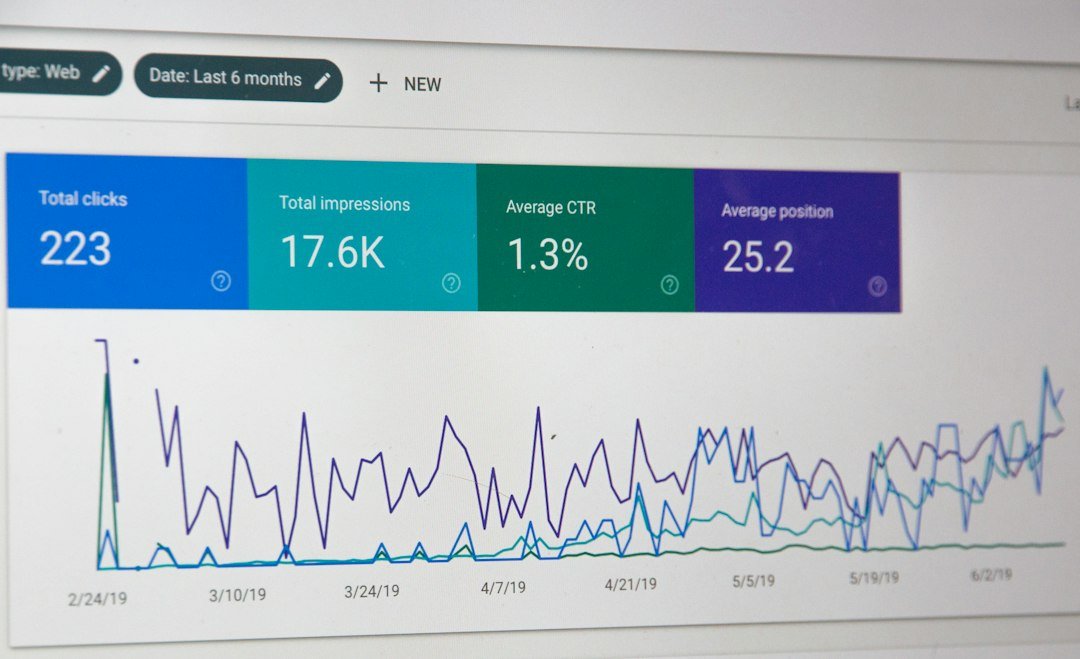
Relevant metrics include:
Query-level and page-level assessments help identify changes in search visibility and potential optimisation opportunities.
-
Search Clicks: Visits initiated through clicks on search results.
-
Impressions: The frequency with which website links appear in eligible search results.
-
Click-Through Rate: The proportion of impressions that generate clicks.
-
Average Position: An aggregated indication of ranking positions across recorded impressions.
-
Indexing Reports: Information about pages Google has indexed or excluded.
Website Analytics and User Behaviour
Website analytics helps evaluate visitor interactions after users arrive through organic search.
Relevant measurements include engagement, navigation patterns, conversion events and landing-page performance.
Google Analytics 4 and Google Search Console report different types of activity, so their figures may not match directly.
Accurate tracking configurations and appropriate attribution settings help businesses interpret performance more reliably.
Technical SEO Health and Website Accessibility
Technical performance assessments monitor issues that may interfere with crawling, indexing or website usability.
Relevant indicators include indexing errors, broken internal links, redirect problems, mobile usability and Core Web Vitals.
Regular technical reviews help identify recurring issues and verify whether implemented corrections have resolved the intended problems.
SEO Reporting and Continuous Performance Evaluation
Effective reporting compares current performance with established baselines, agreed objectives and relevant historical periods.
Reports should explain completed activities, observed changes, unresolved technical issues and recommended priorities.
Search demand, competitor activity, algorithm changes and website modifications can influence results. Consequently, a performance improvement does not automatically establish that one optimisation activity caused it.
Consistent measurement helps businesses distinguish meaningful progress from temporary ranking fluctuations and make informed decisions about future SEO investment.
How to Choose the Best SEO Company in India
Selecting an SEO provider requires careful evaluation of technical capabilities, service transparency, strategic recommendations and commercial relevance. Businesses should compare proposed activities against their website requirements rather than relying on promotional claims or attractive package descriptions. A suitable SEO firm in India should explain its recommendations, clarify responsibilities and establish realistic expectations before beginning an engagement.
Evaluate SEO Expertise and Service Capabilities
A professional search engine optimisation company in India should demonstrate familiarity with technical audits, keyword research, content optimisation, internal linking and ethical off-page practices.
Review how the provider identifies website problems, assesses search competition and prioritises recommendations.
An initial audit should highlight specific issues and explain their potential consequences. Generic reports containing automated warnings without practical recommendations offer limited decision-making value.
Review SEO Strategies and Proposed Deliverables
An effective proposal should connect optimisation activities with your business objectives.
Before selecting an agency, clarify:
Clear deliverables help businesses compare proposals and avoid misunderstandings during campaign implementation.
-
Service Scope: Which technical, content and off-page activities does the proposal include?
-
Implementation: Who handles website changes and coordinates developer requirements?
-
Reporting: Which performance indicators will the agency monitor?
-
Communication: How frequently will the provider discuss progress and outstanding requirements?
-
Account Ownership: Will your business retain administrative access to its website and analytics accounts?
-
Contract Terms: What conditions govern service changes, cancellation and responsibilities?
Compare SEO Pricing and Service Value
SEO pricing depends on website size, competition, technical condition, content requirements and the extent of ongoing support.
Lower fees may reflect a narrower service scope, while higher prices do not automatically indicate superior expertise.
Businesses searching for the best SEO services in India should compare the actual work proposed, the resources required and the relevance of recommendations to commercial priorities.
Verify Ethical SEO Practices and Realistic Expectations
Searches for top SEO companies in India or top SEO agencies in India may help identify potential providers. However, search visibility and promotional descriptions do not independently establish service quality.
An agency presenting itself as the best SEO agency in India should support its claims with credible evidence.
Avoid providers that promise guaranteed rankings, conceal optimisation methods or recommend manipulative link-building practices.
Responsible agencies explain that search outcomes depend on competition, website conditions, implementation and factors beyond their direct control.
Choose an SEO Partner That Aligns with Your Business Goals
The appropriate provider should connect its recommendations with measurable objectives, including qualified enquiries, relevant organic traffic and conversions.
Evaluate whether the proposed strategy addresses your website’s actual requirements and whether reporting will support meaningful performance reviews.
A dependable SEO partnership requires transparent responsibilities, appropriate technical capabilities and the flexibility to adjust optimisation priorities as business requirements change.
Why Choose ANS Web Solution?
Choosing the right SEO partner requires a clear connection between your business objectives, website requirements and proposed optimisation activities. ANS Web Solution provides a point of contact for businesses seeking structured SEO support, practical recommendations and a clearer approach to organic search improvement.
The focus of an initial discussion should be identifying existing challenges, evaluating meaningful opportunities and defining an appropriate service scope before committing resources.
SEO Strategies Aligned with Your Business Requirements
Your website’s current performance, competitive environment and commercial priorities should shape its SEO strategy.
At ANS Web Solution, prospective clients can discuss requirements involving service-page optimisation, technical accessibility, organic lead generation and content improvements.
A suitable strategy should establish which activities deserve priority and how they relate to customer acquisition or other measurable objectives.
This assessment also helps distinguish essential optimisation requirements from additional activities that may offer limited immediate value.
Website Assessments That Identify Practical Opportunities
An effective SEO engagement begins with a clear assessment of existing website conditions.
Relevant evaluation areas may include indexing problems, content relevance, keyword targeting, internal linking and the performance of important landing pages.
Rather than relying on a generic activity checklist, the proposed assessment should identify specific issues and explain their significance.
Businesses can use these findings to discuss implementation requirements, determine appropriate priorities and establish realistic expectations before approving further work.
Clear SEO Deliverables and Transparent Communication
A productive SEO relationship depends on clearly defined responsibilities and consistent communication.
When discussing services with ANS Web Solution, clients should receive clarity on the proposed scope, required website access, optimisation responsibilities and reporting arrangements before an engagement begins.
Important considerations include:
These arrangements help businesses maintain oversight of their SEO investment.
-
Defined SEO Priorities: Identify website improvements that align with commercial objectives.
-
Relevant Deliverables: Agree on optimisation activities according to website requirements.
-
Implementation Responsibilities: Clarify who will approve and complete technical or content changes.
-
Performance Measurement: Establish suitable indicators for evaluating organic search progress.
-
Campaign Reviews: Discuss how results and changing requirements may influence subsequent priorities.
Continuous Optimisation Based on Website Performance
Organic search optimisation requires periodic evaluation because website conditions and business requirements can change.
New services, revised content, technical updates and competitor activity may create different optimisation priorities.
A proposed continuing engagement with ANS Web Solution can address how campaign monitoring, technical reviews and content improvements would fit into the agreed service scope.
Performance discussions should consider relevant search visibility, organic traffic, qualified enquiries and conversion activity.
This approach supports informed decisions without treating temporary ranking improvements as guaranteed business outcomes.
SEO Support That Fits Your Operational Requirements
Some businesses have internal marketing teams and website developers, while others require external coordination for most optimisation activities.
An appropriate SEO arrangement should account for these differences.
Before proceeding, clients can clarify whether they need strategic recommendations, implementation assistance or ongoing campaign management.
Defining these responsibilities helps establish a practical working relationship and reduces delays caused by unclear approvals, technical dependencies or overlapping tasks.
Discuss Your SEO Requirements with ANS Web Solution
Your SEO investment should begin with a clear view of your website’s challenges, business priorities and the improvements worth pursuing.
ANS Web Solution invites businesses to discuss their SEO requirements, review potential optimisation opportunities and consider a service approach suited to their objectives.
Request a website assessment or contact ANS Web Solution to discuss your SEO requirements and the next steps for improving your organic search performance.
Frequently Asked Questions
1. What factors affect the cost of professional SEO services in India?
SEO costs depend on website size, technical condition, search competition, content requirements and the scope of ongoing optimisation. Businesses with complex websites may require additional technical support and implementation resources. Comparing clearly defined deliverables helps determine whether a proposed SEO investment matches your requirements and budget.
2. How long does it take to see results from SEO services?
SEO results depend on existing website performance, competition, technical issues, content quality and implementation progress. Some improvements may become visible earlier than others, but no fixed timeline applies universally. Businesses should evaluate progress through relevant search visibility, organic traffic, technical improvements and qualified conversions across suitable reporting periods.
3. What do monthly SEO services typically include?
Monthly SEO services may include technical monitoring, keyword performance analysis, content optimisation, internal linking, search visibility assessments and campaign reporting. Specific deliverables depend on the website's requirements and the agreed service scope. Regular reviews help identify emerging problems and determine which optimisation activities should receive priority.
4. Can an SEO agency optimise an existing website without redesigning it?
Yes. An SEO agency can often improve an existing website without requiring a complete redesign. Optimisation may involve updating content, refining metadata, correcting technical issues and improving internal links. However, significant structural problems, outdated technology or major usability limitations may require additional development work to support effective improvements.
5. What information should businesses provide before starting an SEO campaign?
Businesses should provide relevant website details, service information, target audience requirements and commercial objectives. Access to Google Search Console, website analytics and the content management system may also be necessary. Existing performance reports and previous optimisation records can help identify technical issues and establish meaningful campaign priorities.
6. How can businesses evaluate an SEO proposal before hiring an agency?
A credible SEO proposal should explain the website's existing challenges, recommended activities, expected deliverables and measurement approach. Review implementation responsibilities, reporting arrangements, contract conditions and account ownership. Avoid proposals that guarantee rankings or recommend manipulative techniques. The proposed work should address identifiable website requirements and commercial objectives.
7. What is the difference between SEO consultancy and SEO campaign management?
SEO consultancy primarily focuses on assessment, strategic recommendations, technical advice and optimisation planning. Campaign management involves coordinating approved activities, monitoring performance, reviewing implementation and adjusting priorities over time. Businesses with capable internal teams may prefer consultancy, while organisations requiring continuing operational support may benefit from campaign management services.
8. How can businesses measure leads generated through organic search?
Businesses can configure conversion tracking for enquiry forms, relevant phone calls, purchases and other valuable actions. Google Analytics 4 can help assess organic acquisition and associated conversion events. Accurate tracking requires appropriate configurations and attribution settings. Lead quality should also receive attention because enquiry volume alone cannot establish commercial value.
9. What responsibilities does a website owner have during an SEO campaign?
Website owners may need to approve content updates, provide accurate business information, authorise technical changes and coordinate developer access. Timely communication supports implementation and reduces unnecessary delays. Clients should also review performance reports, clarify changing commercial priorities and maintain appropriate oversight of their website and marketing accounts.
10. Can businesses outsource SEO without transferring ownership of their website or analytics accounts?
Yes. Businesses can retain ownership of their website, domain, Google Search Console and analytics accounts while granting appropriate access to external SEO professionals. Permission levels should reflect the work required. Before outsourcing, clarify administrative responsibilities, data access, confidentiality arrangements and the process for revoking permissions when the engagement ends.
Latest SEO Insights
Why SEO Takes Time and What Businesses Should Expect?
Quick rankings sound attractive, yet SEO rarely works on a fixed schedule. Organic visibility develops through a chain of technical, editorial, competitive, and algorithmic processes that in…
ANS Web Solution • 08/09/2026

Internal vs External Links: How Each One Works in SEO?
Internal links connect pages within the same website, while external links send visitors to pages on another website. That destination difference changes how each link functions. Internal li…
ANS Web Solution • 17/09/2026
How to Boost Foot Traffic: 5 Costly Local SEO Mistakes to Avoid?
Nearby customers often use local search before visiting a physical business. They may compare locations, check opening hours, read reviews, inspect services, request directions or call befor…
ANS Web Solution • 29/09/2026
Build an SEO Strategy for Your Business and Markets in India

Discuss Your SEO Requirements
Share your website, target locations, key services, organic search challenges, and what results matter to your business.
Ready to Strengthen Your Organic Search Presence in India?
Build a search strategy around your website priorities, customer intent, technical quality, useful content, and measurable business outcomes.