Answer Engine Optimization in India
Customers increasingly ask search engines and AI assistants specific questions before choosing a provider. If your website offers vague descriptions, inconsistent business details or inaccessible information, those systems may struggle to identify relevant answers. ANS Web Solution helps businesses assess and improve the content, structure and technical foundations that support answer-oriented search visibility. Our approach connects customer questions with clear service explanations, reliable information and accessible pages, while complementing existing SEO efforts. For organisations competing in India and international markets, answer engine optimisation can strengthen digital readiness and make it easier for prospective buyers to evaluate their options with confidence.
Professional Answer Engine Optimization Agency in India
A specialist AEO agency helps businesses make their website information clearer, more accessible and more useful for people researching products or services through search and AI-assisted interfaces. The work extends beyond placing questions on a page. It requires coordination between the information customers need, the way a website presents that information and the technical conditions that allow search systems to access it.
A Coordinated Approach to Search Visibility
A professional engagement usually begins by identifying the decisions customers make before contacting a business. Someone comparing service providers may ask about capabilities, eligibility, service areas, pricing factors or implementation requirements. Each question carries a different purpose. An agency can map these needs against existing pages, identify missing explanations and decide where improvements will offer the greatest value.
Content specialists then examine whether important pages answer those questions accurately and without unnecessary ambiguity. Technical SEO specialists assess factors such as crawl accessibility, internal linking, page organisation and the presentation of essential information. Where appropriate, structured data can describe supported page elements more explicitly, but markup cannot compel an AI system to use or cite a source.
Brand consistency also deserves attention. Conflicting service names, outdated locations or unclear descriptions can make it harder for customers to judge what a business provides. Coordinating editorial and technical work helps prevent teams from correcting one page while leaving contradictory information elsewhere on the site.
When Professional AEO Support Becomes Valuable
Not every website needs an extensive specialist engagement. A small business with a handful of clear pages may first benefit from basic SEO improvements, accurate service information and straightforward content maintenance. The need for coordinated support grows when the website becomes more complicated or the customer journey involves several stages of research.
Large service catalogues, multiple office locations, overlapping landing pages and technically complex website platforms can create problems that isolated edits will not resolve. Competitive B2B sectors often present another challenge: customers need precise explanations of scope, delivery conditions and the differences between similar offerings. When internal marketing teams lack the time to investigate those questions, an agency can help establish a practical order of work.
An initial assessment should identify existing obstacles before proposing new content. Publishing additional pages without resolving duplication, weak navigation or inaccurate information may add maintenance work without addressing the underlying problem.
How an AEO Agency Differs from Other Providers
A general content-writing supplier may produce useful copy from an agreed brief. An AEO engagement also examines why particular questions matter, where answers belong, how related pages connect and whether technical limitations interfere with access to that information. Editorial quality remains essential, but it forms one part of a broader website improvement effort.
Traditional SEO providers already address many of the same foundations, including crawlability, relevance, site structure and search intent. AEO builds on these practices by paying closer attention to direct answers, entity clarity and visibility across answer-oriented experiences. Businesses should look for integration between both approaches, not competing strategies that duplicate effort.
What Is Answer Engine Optimization (AEO)?
Answer Engine Optimisation (AEO) is the practice of improving website information so search and AI-assisted systems can more readily find, interpret and use it when responding to relevant questions. It combines clear explanations, purposeful content organisation and established technical SEO practices. AEO can improve a website’s suitability as a potential information source, but no publishing technique gives a business control over which sources an independent system selects.
How Answer-Oriented Search Differs from Conventional Results
Traditional search interfaces commonly present links that people evaluate before opening individual pages. Answer-oriented interfaces may instead display a concise response directly, sometimes alongside links to supporting sources. A person researching a service can therefore receive a definition, comparison or explanation without immediately visiting the provider’s website.
These experiences do not replace every conventional search journey. People still open websites to check service details, verify claims, compare providers and make enquiries. For businesses, the practical task involves making information useful both within a search response and after a visitor reaches the website.
The Relationship Between SEO, AEO and GEO
Search Engine Optimisation (SEO) improves a website’s ability to earn relevant visibility in organic search. Its established foundations include accessible pages, helpful content, internal links, suitable page titles and coherent website architecture.
AEO pays particular attention to the questions behind searches and whether a page provides accurate, clearly contextualised answers. For example, a service description should distinguish what a provider delivers from what customers must arrange themselves. Readers benefit from that precision even when a search system never extracts the text.
Generative Engine Optimisation (GEO) is an evolving term for practices intended to support the visibility and accurate representation of information in generative AI experiences. It overlaps substantially with both AEO and SEO. The boundaries between these labels are not universally standardised, so businesses should judge proposed work by its specific activities rather than terminology alone.
Featured snippets and other direct-answer formats deserve a further distinction. A featured snippet may reproduce or summarise information from a web page within a search result. An AI-generated answer can synthesise information into a new response, potentially drawing on multiple sources or different retrieval processes. Neither format follows one universal selection method.
Direct answers also need qualification. An accurate statement about eligibility, cost factors or service coverage may require conditions that prevent a short extract from misleading customers. Good answer-focused writing preserves those conditions rather than stripping away necessary detail.
How Website Information May Become Part of an Answer?
First, a system must have an appropriate way to access relevant information. For conventional web search, crawling and indexing can influence whether a page becomes eligible for retrieval. Some AI experiences may use search indexes, live retrieval, licensed datasets or other information sources, depending on the product and task.
When someone asks a question, the system interprets the request and seeks material it considers relevant. Clear headings, specific answers, consistent terminology and enough surrounding context can make a passage easier to evaluate. Content that simply repeats a target question without answering it offers little practical value.
The system may then present an extract, create a summary, mention a brand or cite a source. Technical accessibility and accurate content support possible inclusion, but they do not guarantee any of these outcomes. Different platforms apply different processes, and their responses can vary between queries.
Why Is Answer Engine Optimization Important for Businesses?
Customers often approach a purchasing decision through several questions rather than one search for a supplier. They compare requirements, assess alternatives, check service limitations and decide whether a provider fits their circumstances. Answer-oriented search experiences can address parts of that research before a customer opens a website. Businesses therefore need accurate information that helps potential buyers assess their options across different discovery channels.
Customer Research Begins Before an Enquiry
A customer researching an unfamiliar service may first ask what the work involves, which qualifications matter or how providers calculate costs. Later questions become more specific: Can the supplier handle a particular requirement? Does the service cover the intended location? What information should the customer provide before requesting a proposal?
Those questions influence the shortlist well before someone completes a contact form. If a website addresses only broad service categories, it may leave important decision-making information unanswered. AEO encourages businesses to identify these gaps and make useful explanations easier to locate and interpret.
The commercial value lies in supporting informed evaluation, not simply attracting people who search for a definition. A detailed answer about service scope can help a serious buyer decide whether to enquire, while an accurate explanation of limitations may prevent unsuitable leads.
Search Visibility Now Extends Beyond Website Listings
Conventional organic search remains important for attracting visitors, particularly when people want to compare businesses, inspect detailed service pages or contact a provider. However, some search interfaces also present AI-generated explanations, direct answers and condensed comparisons.
In such environments, the customer may form an initial impression without opening every source. A business whose website gives precise, accessible information has a stronger informational foundation for those interactions than one relying on generic promotional copy. That does not establish that a particular system will retrieve, mention or recommend the business.
AEO consequently complements established SEO rather than replacing it. Businesses still need reliable indexing where applicable, usable websites, relevant landing pages and sound technical maintenance. Answer-oriented content adds another consideration: whether the information on those pages responds clearly to the questions customers actually ask.
Brand Accuracy Matters During Provider Comparisons
Potential buyers may encounter a business through its own website, search results, business listings and third-party references. If these sources describe services differently or contain outdated details, customers can struggle to establish what the provider actually offers.
For businesses with several offices or specialised services, even small inconsistencies can matter. An outdated location, unclear geographic coverage or ambiguous service description may create unrealistic expectations. Reviewing how a company names its services, identifies its locations and explains eligibility helps improve consistency across materials it controls.
Accurate website information also gives teams a better basis for checking how search and AI platforms represent their business. Still, a company cannot directly correct every answer that an external system generates.
Key Benefits of Answer Engine Optimization Services
Effective AEO work gives businesses a practical reason to improve the information they publish, regardless of whether an AI platform eventually cites their website. Its benefits come from clearer answers, better-organised content and closer alignment between customer questions and service information. These improvements can support both search visibility and the quality of a visitor’s experience, although commercial outcomes still depend on competition, demand and the strength of the wider website.
Clearer Answers to Specific Customer Questions
Customers should not have to interpret vague marketing statements to find essential service information. Reviewing common questions allows a business to explain eligibility, scope, requirements and limitations directly. A page that answers these points in context helps readers assess whether the offering suits their needs. Search systems may also find relevant passages easier to interpret, but clear wording alone cannot secure an AI citation.
Easier Navigation Through Complex Information
Some websites bury important details across separate pages, documents and lengthy descriptions. Organising related information under descriptive headings, connecting relevant pages and removing unnecessary duplication helps readers follow a topic without repeated searching. This can be particularly useful for organisations with multiple service lines or detailed technical offerings. The likely benefit is a more coherent website, not an automatic improvement in rankings.
More Complete Coverage of Buyer Questions
A business may rank for its main service name while leaving practical customer questions unanswered. Mapping questions to different stages of research reveals gaps around comparisons, specifications, preparation and purchasing conditions. Teams can then strengthen relevant existing pages or create new material where a distinct need exists. Broader coverage may attract better-matched visitors, provided the information remains genuinely useful and does not merely repeat keyword variations.
More Accurate and Consistent Brand Information
Customers may encounter different descriptions of the same service across a company’s website. Content reviews can standardise terminology, clarify service boundaries and correct outdated claims or location information. Consistency reduces confusion during provider comparisons and gives internal teams a dependable reference when updating other channels. It does not guarantee that external AI systems will reproduce those details accurately, so periodic checking still matters.
Stronger Connections Between Information and Enquiries
An informative answer can satisfy a research question without helping a prospective buyer take the next step. Connecting relevant explanations to detailed service pages, suitability criteria and appropriate contact options creates a more useful journey. For example, a page covering implementation requirements can direct interested readers towards the service description that addresses those requirements. These connections may support qualified enquiries, but they should not pressure readers into contacting the business before they have enough information.
Better Preparation for Answer-Oriented Search Experiences
Clear content hierarchy, accessible page text and suitable technical foundations help different retrieval systems assess website information. These improvements often support conventional SEO at the same time, making them useful even where AI visibility remains difficult to measure. Their value lies in reducing avoidable barriers to access and interpretation. Whether an external platform retrieves, references or recommends the information remains outside the business’s control.
More Focused Technical and Editorial Priorities
Website improvements often stall when writers, developers and marketing teams pursue separate objectives. AEO connects information quality with practical access requirements, helping teams decide whether a problem calls for clearer copy, better page organisation or a technical correction. This avoids treating every visibility concern as a reason to publish more material. A shared assessment can also make approval responsibilities clearer, especially where subject specialists must verify sensitive or technical details before publication.
More Informed Content and Visibility Decisions
AEO encourages teams to examine which customer questions their website answers well and where important gaps remain. They can review search performance, identifiable referrals, engagement and selected answer appearances without treating every brand mention as a conversion. This evidence supports better decisions about updates and future content priorities. Because AI responses vary and referral attribution remains incomplete, reporting should describe uncertainty rather than present speculative exposure figures as proven business results.
Top Features of Our Answer Engine Optimization Services
Professional answer engine optimization services in India combine content assessment, technical evaluation and structured improvement planning to address different aspects of website visibility. The most appropriate features depend on a business’s industry, website structure, target audience and existing SEO performance. ANS Web Solution can assess these requirements to identify relevant optimisation opportunities and establish suitable implementation priorities. Each activity should address a specific website problem rather than follow a standard checklist without considering business needs.
Website AEO Audit and Opportunity Assessment
An initial AEO audit examines important service pages, website navigation and the clarity of existing answers. It identifies outdated information, insufficient explanations, overlapping pages and obstacles that prevent readers from reaching relevant details.
The assessment may also examine page hierarchy, content relevance and how effectively a website addresses commercial search questions. Findings can support a prioritised improvement plan that distinguishes urgent technical concerns from editorial opportunities.
Search Intent Research and Question Mapping
Question mapping groups searches by purpose, such as identifying a service, comparing alternatives, checking eligibility or preparing an enquiry. Analysts can match these questions to existing URLs and identify those that lack suitable answers.
The resulting map helps teams decide whether to revise a page, add a subsection or develop a distinct resource. This approach also reduces unnecessary content duplication and establishes clearer relationships between informational and commercial searches.
Answer-Focused Content Optimisation
Content optimisation examines whether important explanations answer customer questions directly while preserving the conditions that make an answer accurate.
Editors may improve definitions, clarify terminology, reorganise supporting information and strengthen incomplete service descriptions. They can also refine headings and paragraph structure to make important passages easier to interpret.
The objective is useful, contextually accurate information rather than repetitive question-and-answer blocks created solely for search visibility.
Technical Accessibility and Structured Data Assessment
Technical assessment considers whether important content appears in accessible page text, whether internal links support navigation and whether search crawlers can reach relevant URLs.
It may also investigate JavaScript rendering, indexing signals and canonicalisation concerns. Where structured data serves a documented purpose, specialists can assess suitable schema types and implementation accuracy.
Structured data helps describe supported information but cannot guarantee inclusion in AI-generated answers.
Brand and Entity Consistency Checks
An entity review examines how a business identifies itself, its services and its locations across important website pages.
Inconsistencies may involve different service names, conflicting descriptions or outdated geographical coverage. Recommended corrections should rely on verified business information.
For organisations operating in multiple markets, the assessment can distinguish shared company details from location-specific information and service availability.
Internal Linking and Topical Coverage Analysis
Internal linking recommendations connect relevant explanations with detailed service information, technical specifications and enquiry pages.
Topical coverage analysis identifies missing subjects that customers may investigate during provider evaluation. It also highlights redundant or competing pages that address substantially similar questions.
A practical content plan should establish the purpose of each proposed improvement rather than recommend additional pages without considering existing coverage.
Content Accuracy and Maintenance Review
Service requirements, product specifications and business information can change. Regular content assessments help identify statements that need verification or revision.
A maintenance plan may prioritise sensitive pages, identify responsible reviewers and establish suitable review intervals. Quality checks can examine factual accuracy, heading consistency, links and the relationship between recently updated pages.
These activities help maintain reliable website information over time.
AI Search Visibility Monitoring and Reporting
Where suitable measurement methods exist, performance reviews may combine organic search trends, identifiable AI-platform referrals, sampled answer citations and qualified enquiry information.
Reporting should distinguish measurable website activity from less certain brand exposure. It should also identify significant changes, explain measurement limitations and recommend further investigation where appropriate.
Who Needs Answer Engine Optimization Services?
Answer Engine Optimisation can benefit organisations whose customers ask detailed questions before choosing products, services or business partners. However, its commercial value varies according to search behaviour, purchasing complexity, industry requirements and website readiness. Businesses with substantial information needs or lengthy customer research journeys may find particularly relevant opportunities. ANS Web Solution can help assess whether AEO deserves priority within an organisation’s existing digital marketing strategy.
Local Service Businesses
Local businesses often depend on customers searching for specific services within defined geographical areas. Plumbing contractors, property maintenance providers, cleaning companies and home improvement specialists may benefit from clearer information about service coverage, availability and work requirements.
AEO becomes relevant when potential customers need answers before making contact. Accurate location details and service descriptions can support those decisions while complementing established local SEO activities.
B2B Companies and Professional Service Providers
B2B buyers frequently evaluate technical capabilities, contractual requirements and service suitability before contacting suppliers. Manufacturing businesses, engineering consultants and corporate service providers may need detailed explanations that address these considerations.
Professional firms, including legal, accounting and business advisory practices, face similar information requirements. Their customers often research eligibility, procedures, documentation and service limitations. Clear, appropriately reviewed information can support more informed enquiries without replacing professional advice.
E-Commerce Businesses and SaaS Providers
E-commerce customers regularly compare product specifications, compatibility, delivery conditions and purchasing options. Retailers with extensive catalogues may benefit from improving the accuracy and organisation of product information.
Software-as-a-Service providers face different questions involving functionality, integrations, subscriptions and implementation requirements. When customers must evaluate several technical considerations, precise explanations can help them assess product suitability before requesting a demonstration or purchasing a subscription.
Healthcare, Education and Financial Organisations
Healthcare organisations often serve customers seeking information about available services, appointment arrangements and treatment-related considerations. Accuracy and appropriate professional review carry particular importance because misleading explanations can affect sensitive decisions.
Educational institutions may need to clarify admission requirements, course structure, eligibility and career pathways. Financial businesses and consulting firms frequently address questions involving service scope, documentation and regulatory considerations.
These sectors may benefit from structured information, but specialist verification should remain a priority wherever content involves regulated or consequential matters.
Multi-Location Businesses
Businesses operating across several cities must communicate which services customers can access at each location. Inconsistent geographical information can create confusion about availability, coverage and local requirements.
AEO may support organisations managing regional service pages, branch information and location-specific customer questions. Accurate distinctions become especially valuable when individual branches provide different services or operate under different conditions.
Startups and Large Enterprises
Startups introducing unfamiliar products or services may need to explain their offerings before customers can evaluate them. Clear definitions, practical product information and relevant comparisons can support early customer research.
Large enterprises face different challenges. Extensive websites may contain overlapping information, outdated descriptions and disconnected service sections. AEO assessments can help identify information gaps and coordination needs across departments.
Neither business size automatically determines the urgency or appropriate scale of investment.
Businesses Targeting International Customers
Indian organisations serving overseas markets may receive questions about international delivery, regional availability, language support and service compatibility.
AEO can help such businesses clarify relevant commercial information for different audiences. However, international targeting requires accurate market-specific details rather than simply repeating identical content across country pages.
Our Answer Engine Optimization Services in India
ANS Web Solution offers businesses an opportunity to evaluate and improve how their website communicates relevant information to customers and answer-oriented search systems. A professional AEO engagement can address content quality, technical accessibility, search intent and brand consistency. The appropriate scope depends on existing website conditions, commercial objectives and the resources available for implementation. Our answer engine optimization services in India can be tailored to address specific requirements rather than applying identical changes across every website.
Website AEO Audit and Strategic Assessment
A website assessment establishes the starting point for an optimisation project. It examines important commercial pages, supporting content, site architecture and technical conditions that may affect information accessibility.
The assessment can identify missing answers, unclear service descriptions, overlapping content and structural weaknesses. A prioritised audit report should separate immediate corrections from opportunities requiring additional research or development.
These findings provide a factual basis for deciding which improvements deserve attention.
Customer Question Research and Search Intent Analysis
Effective content planning requires a clear picture of the questions prospective customers ask during service evaluation.
Research can examine commercial queries, comparison searches, service requirements and recurring customer concerns. Analysts then organise related questions according to intent and assess whether existing pages address them adequately.
A question-to-page map can identify content gaps, unsuitable landing pages and opportunities to improve existing information without creating unnecessary URLs.
Service Page and Landing Page Optimisation
Commercial landing pages must explain what a business offers, who the service suits and what customers should consider before making an enquiry.
Optimisation may involve refining service descriptions, clarifying deliverables, improving heading structures and connecting relevant questions with accurate answers.
Where appropriate, the work can include stronger internal links and clearer enquiry pathways. Proposed revisions should retain the page’s commercial purpose while making essential information more accessible.
Informational Content Development and Improvement
Informational content supports customers who need explanations before they can evaluate a service provider.
An engagement may involve reviewing existing educational resources, correcting incomplete explanations and developing content briefs for unanswered questions.
Each recommendation should identify the intended audience, search purpose, essential information and appropriate relationship to relevant commercial pages.
Content development should prioritise factual accuracy and useful subject coverage rather than generating large volumes of similar material.
Technical SEO and Structured Data Implementation Planning
Technical work addresses website conditions that may interfere with content access or search eligibility.
An assessment can examine crawl restrictions, indexing signals, canonical URLs, internal links and JavaScript-dependent content. Where relevant, specialists can recommend suitable structured data based on documented requirements.
Deliverables may include an implementation specification, prioritised technical recommendations or agreed website corrections. Actual development work should follow the permissions and scope established for the engagement.
Brand Entity and Local AEO Optimisation
Businesses serving specific locations need accurate descriptions of their identity, services and geographical coverage.
Local AEO work may involve reviewing location pages, checking business information consistency and clarifying differences in service availability between branches.
For organisations operating across multiple regions, recommendations should reflect actual service boundaries and locally relevant customer questions.
These activities complement conventional local SEO rather than replacing established business listing and location-page practices.
Industry-Specific AEO Content Planning
Different industries require different levels of technical detail, factual verification and customer information.
A service engagement may include sector-specific question research, terminology assessment and content planning based on purchasing requirements.
Businesses operating in regulated sectors may also need subject specialists to approve sensitive explanations before publication.
The resulting content plan should reflect genuine customer concerns and the organisation’s ability to support its published claims.
How Does Answer Engine Optimization Work?
Answer Engine Optimisation works by improving the conditions under which search and AI-assisted systems can access, interpret and potentially use a website’s information. It does not rely on a single ranking factor or a universal method for influencing AI responses. Several mechanisms shape whether a useful passage reaches an answer, from website access and query interpretation to source selection and final presentation.
Crawling, Rendering and Indexing
Information must first be accessible through a route that a particular system supports. Conventional search engines commonly find pages by following links or consulting submitted sitemaps. They may then render page content and assess whether to include it in a searchable index. Crawl restrictions, inaccessible links or important text hidden behind unsupported interactions can interfere with these steps.
Some AI-assisted services rely on search indexes, while others can retrieve information through different systems. Consequently, search indexing matters where the platform uses it, but it does not explain every AI response. Publishing a technically accessible page establishes no entitlement to retrieval.
Interpreting Questions and Finding Relevant Passages
A search request contains more than a sequence of keywords. Its wording may signal that someone wants a definition, a comparison, a condition or a specific service requirement. Retrieval systems attempt to identify information relevant to that intent.
A passage that directly addresses the requested subject can be more useful than one that repeats the search phrase without offering substance. Descriptive headings, clearly defined terms and sufficient supporting detail make the subject of a passage easier to identify. Context matters: a statement about price, availability or eligibility can mislead when separated from its conditions.
When customers ask whether a company provides installation in a particular city, a useful answer needs both the service description and geographical qualification. Generic industry information cannot replace those specific details when the question requires a precise response.
Identifying Entities and Relationships
Search and AI systems also need to interpret what names and descriptions refer to. A company, product, location and service are different entities, and the relationships between them affect the meaning of a page.
Consistent naming helps reduce ambiguity. For example, a business should distinguish its operating location from the areas where it delivers a service. Clear relationships between a service, its requirements and its intended customers provide useful context. Internal links can connect related explanations, but they cannot force a system to treat the pages as authoritative.
Evaluating Accuracy and Source Suitability
Retrieval does not automatically mean selection. Systems may assess whether material addresses the question, whether its statements appear coherent and whether the source fits the task. Their precise criteria vary, and external publishers cannot inspect every selection decision.
Businesses can control the accuracy of their own pages by explaining limitations, maintaining current service details and identifying relevant sources where evidence matters. Contradictory claims or unsupported assertions weaken the usefulness of an answer even if a system can access the text.
Adding Structured Information Where Appropriate
Semantic HTML helps distinguish headings, paragraphs, links and other meaningful page elements. Appropriate structured data can provide explicit descriptions of supported information, such as an organisation or a product, using recognised vocabulary.
Neither technique works as a command to AI systems. Markup should reflect visible, accurate content, and platform-specific requirements determine how a system may use it. Unsupported schema claims do not create credibility or guarantee answer inclusion.
Our Answer Engine Optimization Process
An effective AEO project needs a clear sequence of decisions, from defining business priorities to checking what changes improve the website. ANS Web Solution can discuss a delivery framework that connects research, technical assessment, content planning, implementation and performance review. The precise activities depend on the website, the agreed scope and access to relevant information. Each stage should produce findings that inform the next, while distinguishing work the project team can complete from outcomes controlled by external search platforms.
Establish Business Objectives and Audience Requirements
The first stage identifies the services, customer groups and commercial actions that matter most. A business may prioritise qualified enquiries, accurate location information or clearer explanations of complex offerings. Its team should provide existing marketing objectives, target markets, priority URLs and known customer questions.
These inputs help establish which pages deserve attention and what successful implementation would involve. Without this foundation, teams risk spending resources on search questions that attract interest but have little relevance to actual buyers.
Review Existing Pages and Identify Content Gaps
A website audit examines service descriptions, supporting content, navigation and the accuracy of important business details. Reviewers look for incomplete answers, overlapping topics, outdated information and pages that fail to address a clear customer need.
Next, search-intent analysis groups questions by research stage and matches them to suitable pages. Comparing the question map with audit findings reveals gaps that require clarification, expansion or new content.
Existing analytics and customer-service records, where available, can help validate research priorities. The resulting action plan should address meaningful buyer requirements rather than recommend additional pages simply to target more search phrases.
Check Technical Accessibility and Website Structure
Technical specialists examine whether relevant crawlers can access important pages and whether the website presents essential information in usable text. They may assess indexing signals, internal links, JavaScript rendering and canonical URL choices, depending on the platform.
An audit can also identify suitable opportunities for semantic HTML improvements or supported structured data. The team should distinguish critical access problems from optional enhancements. These findings influence content planning because rewriting an answer offers limited value if technical barriers prevent search systems from accessing its page.
Plan Content Improvements and Implementation Responsibilities
With the audit and research complete, the next stage specifies what each page needs. Recommendations might include a clearer service definition, verified eligibility criteria, consistent business terminology or links to related commercial information.
The plan should identify the responsible writer, reviewer and developer where applicable. Businesses may need to supply product specifications, service-area details and approval from subject specialists. Explicit responsibilities help prevent unsupported statements or technical changes that conflict with existing website requirements.
Implementation then follows the agreed priorities. Teams can edit content, update navigation, resolve accessibility issues and introduce appropriate markup. The engagement should distinguish recommendations from changes that the agency has permission to implement.
Validate Changes and Monitor Observable Results
Quality assurance checks whether updated pages display correctly, contain accurate information and preserve useful navigation. Technical checks may include crawl access, indexing eligibility and structured data validation where relevant. Reviewers should compare published pages with the agreed specifications before confirming implementation.
Monitoring then examines available signals, such as organic query performance, identifiable AI-platform referrals, selected answer citations and qualified enquiries.
Results need appropriate context. Reporting should explain sampling and attribution limitations, account for available baseline information and avoid treating every visibility change as proof that AEO caused it.
Want Clearer Answers to Your Customers’ Questions in AI Search?
Discuss answer-focused content, AI search readiness, structured information, question mapping and measurable search performance with ANS Web Solution.
AI Search Platforms We Optimise Your Website For
Different AI-powered search platforms retrieve, interpret and present website information through different technologies. ANS Web Solution helps businesses assess content quality, technical accessibility and information clarity to support potential visibility across relevant AI search environments. Effective optimisation requires attention to each platform’s documented capabilities rather than assuming that one technique delivers identical results everywhere.
Google AI Overviews and AI Mode
Google AI Overviews presents summarised information with supporting links for selected searches, while AI Mode supports more detailed conversational research and complex questions.
Google’s established SEO requirements remain fundamental to both experiences. Eligible pages must meet relevant indexing and snippet requirements, and no special AEO markup guarantees inclusion.
Optimisation priorities include accessible website content, accurate service information, logical internal linking and useful explanations of customer questions. Google independently determines which pages to reference and when to display AI-powered responses.
ChatGPT Search
ChatGPT Search enables users to research subjects through conversational questions and access relevant web information with source links where available.
Businesses can review whether their websites allow appropriate search-crawler access, particularly for OpenAI’s OAI-SearchBot. Clear descriptions, accurate business details and accessible content provide a useful foundation for potential search discovery.
However, crawler access does not guarantee that ChatGPT will mention, recommend or cite a particular business. Website optimisation also differs from building a dedicated ChatGPT integration or application.
Microsoft Copilot and Bing AI Search
Microsoft Copilot can draw on Bing’s web search capabilities when responding to questions that require publicly available information.
Businesses seeking visibility through these experiences should maintain accessible pages, accurate indexing signals, relevant content and reliable service descriptions.
Bing Webmaster Tools also offers AI Performance reporting for supported experiences. Its available metrics can help website owners examine citation activity, referenced pages and associated search topics.
These observations do not establish a guaranteed position in AI answers or prove that citations generate enquiries. Public website optimisation also differs from configuring enterprise Copilot applications that use private organisational information.
Perplexity AI
Perplexity provides answer-oriented research experiences that can reference information from public websites and display supporting sources.
Relevant optimisation considerations include crawler accessibility, factual clarity, descriptive headings and content that responds directly to research questions.
Businesses should also distinguish between a platform’s ability to access information and its decision to reference that information in an answer.
An accessible page may become a potential source, but Perplexity independently decides whether to include it. Content improvements should therefore prioritise usefulness and accuracy rather than attempting to manufacture citations.
Google Gemini
Gemini supports conversational research and can access information through Google Search in supported experiences. Depending on the task, its responses may include related sources and links.
Although Google develops both Gemini and Google Search AI features, their interfaces and information-retrieval behaviour are not identical.
Businesses can strengthen their public information through accurate service descriptions, accessible pages and consistent terminology. These improvements may support potential discoverability, but they cannot guarantee that Gemini will cite or recommend a website.
Industry-Specific Answer Engine Optimization Solutions
Different industries require different approaches to answer-oriented search because customer questions, purchasing decisions and information requirements vary considerably. AEO strategies should reflect the terminology customers use, the accuracy standards relevant to each sector and the details buyers need before selecting a provider. ANS Web Solution can assess these differences to identify suitable content and technical priorities without applying identical optimisation methods across unrelated industries.
Healthcare and Wellness
Healthcare content requires particular attention to accuracy, professional qualifications and the distinction between general information and individual medical advice. Service pages should describe available treatments, appointment arrangements, practitioner credentials and relevant limitations without making unsupported effectiveness claims.
Medical terminology should remain precise while explanations stay accessible to patients. Qualified healthcare professionals should review clinical statements. Content should not present general medical information as a substitute for individual assessment.
Legal and Professional Services
Legal service pages must distinguish practice areas, jurisdictions, procedural requirements and the circumstances in which professional assistance may be appropriate.
AEO planning can organise questions about documentation, service scope, consultation arrangements and regulatory procedures. Qualified professionals should verify legal interpretations and jurisdiction-specific statements before publication. Clear qualifications help prevent readers from treating general explanations as advice applicable to every situation.
Financial Services and Consulting
Financial information often involves eligibility conditions, compliance requirements, calculation methods and significant commercial consequences. Content should distinguish factual explanations from recommendations that depend on individual circumstances.
Financial advisers, valuation consultants and corporate service providers may require precise descriptions of methodologies, documentation and service limitations. Relevant professionals should verify sensitive claims, while content teams maintain consistent terminology and distinguish current requirements from historical information.
Education and Training
Educational institutions need accurate information about programme eligibility, curriculum structure, duration, qualifications and admission procedures.
AEO content planning should connect related academic information without mixing requirements across different courses. Clearly identifying the applicable intake, programme and qualification helps prevent confusion. Institutions should also verify placement statements, accreditation claims and career-related information rather than relying on broad promotional assurances.
Real Estate and Property Services
Property-related search questions often involve location, property characteristics, transaction conditions and the responsibilities of different service providers.
Real estate businesses should maintain accurate property descriptions, geographical information and availability details. Property consultants may also need to clarify applicable documentation, registration information and service boundaries. Content reviews should distinguish verified property facts from estimates, promotional descriptions or conditions that may change.
E-Commerce and Retail
Online retailers handle structured product information that customers frequently compare across alternatives. Accurate specifications, dimensions, compatibility details, variants, delivery conditions and return policies therefore deserve particular attention.
Product pages should present essential attributes consistently and use appropriate structured data where supported. Content teams must also distinguish product categories from individual variations to prevent inaccurate comparisons or misleading answers about availability and suitability.
Travel and Hospitality
Travel businesses need to communicate destinations, itinerary inclusions, booking conditions, seasonal considerations and cancellation requirements accurately.
Hotels, tour operators and travel service providers should maintain consistent location information and distinguish standard inclusions from optional services. Time-sensitive details require regular verification. Clear descriptions of accessibility, transport arrangements and reservation restrictions can help travellers evaluate an offering before booking.
Manufacturing and Industrial Businesses
Industrial buyers often research material specifications, production capabilities, certifications, technical compatibility and procurement requirements.
Manufacturing content should use recognised technical terminology, accurate measurements and clearly identified product standards. Detailed specification pages, properly described downloadable resources and relevant internal links can support complex research. Businesses should substantiate certification claims and distinguish standard capabilities from requirements that depend on custom production.
B2B Technology and SaaS
Technology buyers frequently investigate integrations, system requirements, security responsibilities, implementation conditions and subscription limitations.
AEO planning should align product descriptions with current documentation and distinguish existing functionality from proposed features. Accurate integration details, version-specific information and clearly defined service responsibilities help buyers assess compatibility. Technical teams should verify claims before content publication.
How AEO Can Support Brand Visibility and Lead Generation
Answer Engine Optimisation can support business growth by making relevant service information more accessible throughout the customer’s purchasing journey. Potential buyers often research problems, compare alternatives and assess providers before visiting a website or submitting an enquiry. AEO helps businesses address these information needs with clear explanations and commercially relevant content. However, appearing in an AI-generated answer does not automatically produce website traffic, qualified leads or sales.
Brand Discovery Through Relevant Customer Questions
Customers frequently begin their research by describing a problem rather than searching for a particular company. They may investigate available solutions, service requirements, technical capabilities or factors that influence purchasing decisions.
Content that addresses these questions accurately can create opportunities for a business to appear in relevant search experiences. Search and AI platforms independently determine which sources to retrieve or reference.
The commercial objective is to make accurate business information available wherever potential customers conduct relevant research, without assuming that every answer will include a brand mention.
Building Brand Recognition and Service Relevance
Initial brand exposure creates limited value unless customers can establish what the business offers and whether its capabilities match their requirements.
Consistent service descriptions, clearly identified specialisations and accurate company information help communicate that relevance. Businesses should also distinguish their actual capabilities from broader industry information.
When customers encounter the same clear service identity across website pages and other reliable sources, they have a stronger basis for evaluating the provider. This consistency supports recognition without guaranteeing favourable recommendations from independent platforms.
Supporting Research and Provider Comparisons
Customers considering a significant purchase often investigate service scope, technical requirements, implementation conditions and pricing considerations before requesting a quotation.
AEO-focused content can address these concerns through precise explanations and logically connected information. Commercial pages should clarify deliverables and limitations, while supporting resources can explain complex requirements in greater depth.
Useful comparisons should present meaningful differences without making unsupported claims about competing providers. Accurate information can help buyers determine whether a service meets their requirements before contacting the business.
Connecting AI Search Visibility with Website Visits
An AI-generated answer may mention a company, cite its website or provide a link to relevant information. However, these outcomes do not necessarily result in a visit.
Some customers receive sufficient information directly from an answer. Others may open a cited page to check specifications, service details or commercial conditions.
Businesses should therefore maintain informative landing pages that provide additional value beyond a short search response. Clear navigation and relevant internal links can help visitors continue their evaluation once they reach the website.
Turning Relevant Traffic into Qualified Enquiries
Website traffic becomes commercially meaningful when visitors find an offering that matches their needs and can take an appropriate next step.
Service pages should explain eligibility, capabilities, geographical coverage and enquiry requirements. Relevant contact options allow interested customers to request further information without interrupting their research.
Lead qualification matters as much as enquiry volume. Accurate content can help customers identify unsuitable services before contacting the business, potentially reducing irrelevant enquiries.
Nevertheless, AEO alone cannot determine conversion performance. Pricing, service suitability, website usability and sales follow-up also influence whether enquiries become customers.
Measuring Commercial Impact and Attribution
Businesses should evaluate brand exposure, referral visits, enquiries and conversions as separate performance indicators.
Search analytics may reveal relevant organic traffic, while website analytics can identify some referrals from AI platforms. Customer relationship management records can provide additional information about enquiry quality and eventual sales outcomes.
Attribution remains imperfect. Customers may encounter a brand in an AI answer but return through direct search or another channel. Platforms may also change their responses between searches.
Advanced AEO Strategies and Technologies We Use
Advanced Answer Engine Optimisation requires more than rewriting content into short responses. Businesses with complex websites may need detailed query analysis, disciplined information architecture and technical checks that address how search systems access and interpret material. ANS Web Solution can assess these techniques according to website requirements, available resources and the evidence supporting each recommendation. No technique guarantees a particular AI citation or recommendation.
Query Clustering and Knowledge-Gap Mapping
Query clustering groups related questions by intent rather than treating minor wording differences as separate content opportunities. Analysts can distinguish early research queries from comparisons, technical qualification questions and requests with direct purchasing intent.
Knowledge-gap mapping then identifies what existing pages omit. The resulting map should show which questions belong together, which require a distinct page and where verified subject-specific detail would make an existing answer more useful. Customer enquiries, search data and sales-team observations can test whether these clusters reflect real purchasing concerns. A low-volume technical question may deserve attention when it affects a high-value decision.
Entity-Based Content Organisation
Entity analysis examines whether a website clearly distinguishes its company, products, services, locations and related terminology. For organisations with overlapping offerings, inconsistent labels can obscure important relationships.
A coherent information architecture assigns each subject a suitable page and connects related material through descriptive internal links. This gives readers dependable routes between explanations and commercial details, while helping crawlers find connected pages. Consistent terminology should never erase genuine differences between product versions, service levels or branch-specific offerings. Those distinctions may determine whether an answer is accurate.
Semantic HTML and Accessible Information
Well-structured HTML identifies meaningful headings, paragraphs, lists and links. Descriptive labels and accessible page text help readers and automated systems interpret information without depending entirely on visual presentation.
When crucial content appears only after an interaction or relies heavily on JavaScript, technical reviews should check what a crawler can actually render. Server-rendered or otherwise accessible text may be appropriate when significant content remains unavailable to relevant systems. Developers can compare initial HTML with rendered output, inspect page responses and verify that essential information remains available without requiring a logged-in session.
Structured Data with Defined Purposes
Structured data can describe eligible information through recognised vocabulary, including suitable organisation, product or breadcrumb details. Implementation should match visible content and the requirements of each target search feature.
Validation tools can identify syntax and eligibility problems, but valid markup never guarantees rich results or AI citations. The strategy should reject unsupported schema types, hidden claims and additional machine-readable files promoted without credible platform documentation. Markup selection should follow the page’s actual purpose, not the assumption that adding more schema increases authority.
Crawl Diagnostics and Duplication Management
Large websites may contain competing URLs, inconsistent canonical signals or internal links that lead crawlers towards outdated pages. Technical analysis can combine crawl findings, indexing diagnostics and URL inspection to locate these issues.
Canonicalisation helps communicate preferred URLs for duplicated or substantially similar content, although search engines make their own canonical selections. Changes should protect legitimate regional or service differences rather than collapse useful pages indiscriminately. A canonical tag is a signal, not a directive that guarantees the preferred URL will appear in an index.
Factual Maintenance and Source Clarity
Precise information becomes less useful when businesses cannot verify its origin or currency. Content reviews can identify claims requiring supporting documentation, specialist approval or a visible revision date where relevant.
Editorial governance should assign responsibility for updating service conditions, specifications and regulated information. Clear sourcing helps people assess reliability; it does not establish a universal AI ranking factor. Review frequency should match how quickly the underlying facts change, rather than follow an arbitrary publishing calendar.
Visibility Experiments and Measurement
Teams can monitor identifiable AI-origin referrals, selected answer citations, relevant organic queries and commercial landing-page outcomes. Sampling should record the questions and platforms examined because generated responses can vary.
How We Measure Answer Engine Optimization Success
Measuring AEO success requires more than counting appearances in AI-generated answers. ANS Web Solution can help businesses evaluate whether improvements make important information more accessible, attract relevant visitors and support qualified enquiries. A practical measurement framework separates website changes that teams can verify from visibility signals that independent platforms control. It also establishes a baseline before implementation, allowing subsequent reviews to distinguish observable progress from assumptions.
Organic Search and Relevant Query Performance
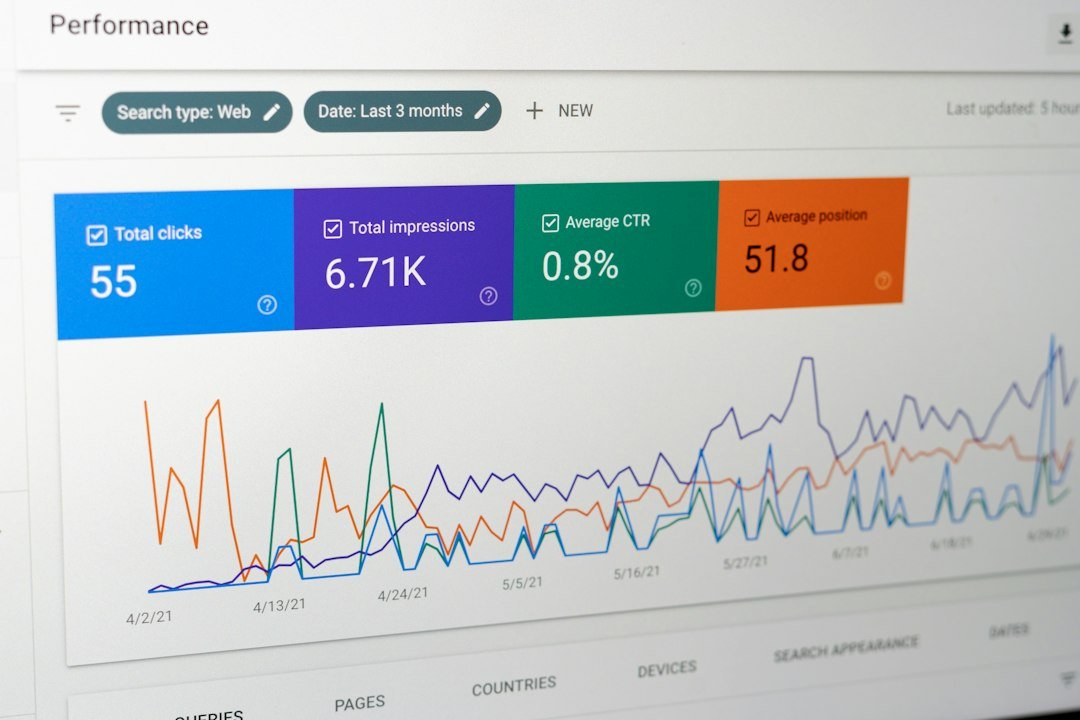
Organic search remains a useful measure because AEO builds on established SEO foundations. Google Search Console can help assess impressions, clicks, search queries and the performance of priority pages. Analysts should examine relevant non-branded searches alongside branded demand to identify whether more prospective buyers are reaching useful content.
Performance reviews should distinguish informational queries from commercial searches. Growing visibility for general questions may indicate broader subject coverage, while relevant service enquiries provide a different indication of commercial value.
These measures need context. Rankings and click patterns can change because of competition, search interface changes or seasonal demand. An increase in impressions does not necessarily indicate stronger commercial performance, particularly when customers obtain answers without visiting the website.
AI Search Citations and Brand Mentions
AI-platform visibility assessments may examine whether selected systems mention a business or cite its pages when responding to relevant questions. Where platform reporting supports citation analysis, teams can review referenced URLs, topic coverage and changes over time.
Manual checks should use a documented selection of questions and consistent review conditions. A single answer cannot establish a stable position: outputs may vary by platform, wording, location and other factors.
Assessment records should distinguish mentions of the company from references to its website and appearances that identify it as a relevant provider. This distinction helps prevent inflated visibility reporting.
A brand mention, source citation and direct recommendation are different observations, and none alone proves customer acquisition.
Identifiable Referrals and Landing-Page Engagement
Website analytics can identify some visitors arriving through AI-assisted services when referral information is available. Teams can assess which pages receive these visits and whether visitors engage with relevant service details, navigate to related pages or initiate an enquiry.
Reporting must acknowledge missing information. Some clicks may appear under broader referral or search categories, while exposure without a click leaves no website session. Engagement figures help assess visitor behaviour but cannot reveal every interaction that occurred before the visit.
Qualified Enquiries and Conversion Behaviour
Commercial measurement should connect website performance with actions that matter to the business. Relevant indicators may include completed enquiry forms, tracked calls, consultation requests and leads that meet agreed qualification criteria.
A useful reporting framework distinguishes enquiry volume from enquiry quality. Marketing and sales teams can review service relevance, customer requirements and progression through the sales process.
Where practical, enquiry forms or sales conversations can capture how customers first encountered the business. Such information offers useful context but remains subject to incomplete recall and attribution uncertainty.
Conversion rates also depend on pricing, demand, response times and sales activity; AEO should not receive automatic credit for every change.
Content Accuracy, Coverage and Technical Improvements
Not every useful result appears in traffic reports. Audits can record whether essential customer questions now have accurate answers, whether conflicting service descriptions have been corrected and whether priority pages remain accessible.
Technical checks may verify indexing eligibility, internal link corrections, structured data validity where applicable and successful publication of approved changes.
These are directly assessable implementation outcomes. They demonstrate that specified work took place, not that an external system will cite the website.
Reporting Limitations and Continuous Evaluation
AEO reporting should combine baseline comparisons, agreed review periods and clear explanations of data limitations. Dashboards may show correlations between implementation and later changes, but correlation does not establish causation. Platform updates, altered query demand and parallel marketing campaigns can influence the same metrics.
Why Choose ANS Web Solution?
Choosing an AEO partner requires careful consideration of business objectives, website requirements and the practical value of proposed improvements. ANS Web Solution provides a point of contact for businesses seeking professional support with answer-oriented search optimisation. Rather than relying on broad promises about AI visibility, a productive agency discussion should establish what needs improvement, which activities deserve priority and how the business can evaluate progress.
A Business-Focused Approach to AEO
Every business has different customer acquisition objectives, competitive conditions and website challenges. An appropriate AEO strategy should reflect these differences instead of applying identical recommendations across unrelated industries.
ANS Web Solution can discuss your target audience, priority services and commercial expectations to identify relevant optimisation opportunities.
The assessment should distinguish between informational searches that attract general interest and commercially significant questions that influence purchasing decisions. This distinction helps businesses allocate resources to activities that support their actual marketing goals.
Search Intent and Customer-Centred Content
Potential customers need accurate information before deciding whether a service provider meets their requirements. Effective AEO planning should therefore begin with the questions that influence customer evaluation.
Content recommendations may address incomplete service explanations, unclear terminology, missing eligibility details and poorly connected commercial pages.
ANS Web Solution can discuss how these improvements fit your existing website content. The objective is to make important information easier for prospective buyers to access without filling pages with repetitive keywords or unnecessary promotional statements.
Technical SEO and Editorial Coordination
Content improvements have limited practical value when technical problems prevent relevant systems from accessing important pages.
A suitable AEO engagement should consider website architecture, crawl accessibility, internal linking and the presentation of essential information alongside editorial requirements.
Technical and content priorities must also complement existing SEO activities. Businesses should avoid paying for overlapping work or introducing website changes that conflict with established optimisation efforts.
Coordinating these requirements can help establish realistic implementation priorities and clearer responsibilities.
Transparent Service Scope and Practical Recommendations
Businesses should know what an agency intends to assess, recommend and implement before agreeing to an engagement.
ANS Web Solution can discuss the expected scope of an AEO assessment, relevant deliverables and the responsibilities involved in making website changes.
A clear proposal should distinguish content recommendations from technical implementation, identify information the client must supply and explain which activities require additional approvals.
This clarity helps businesses evaluate the proposed work against available budgets, internal resources and commercial requirements without relying on undefined service promises.
Realistic Expectations and Meaningful Performance Evaluation
No AEO agency can guarantee that independent AI platforms will cite, recommend or prominently display a particular business.
A credible engagement should recognise these limitations and focus on improvements that teams can implement and assess.
Performance discussions may consider relevant organic queries, identifiable AI-origin referrals, selected answer citations and qualified customer enquiries.
Businesses should also request clarity about reporting methods, available data and attribution limitations. These considerations help prevent visibility observations from becoming unsupported claims about leads, conversions or revenue.
Long-Term Website Accuracy and Content Maintenance
AEO requirements do not end when a business publishes improved service pages. Product specifications, service conditions, geographical coverage and customer questions can change over time.
A practical optimisation plan should identify which information needs periodic verification and who will approve future updates.
Maintaining accurate content protects the usefulness of earlier improvements and supports a consistent customer experience across relevant website sections.
Discuss Your AEO Requirements with ANS Web Solution
Businesses considering professional AEO support can contact ANS Web Solution to discuss their current website, search visibility concerns and customer acquisition priorities.
An initial discussion can help establish whether the website requires targeted content improvements, technical corrections or a broader optimisation assessment.
The appropriate next step should follow the business’s actual requirements, available resources and expectations for measurable progress.
Frequently Asked Questions
1. What Services Does an AEO Agency Provide?
An AEO agency helps businesses improve how their websites answer customer questions and support visibility across search and AI-powered platforms. Services may include website audits, search-intent research, content optimisation, technical SEO assessments, structured data reviews, brand consistency checks and performance monitoring. The exact deliverables depend on business requirements and project scope.
2. How Does AEO Differ from Traditional SEO?
Traditional SEO focuses on improving website visibility in organic search results through technical optimisation, relevant content and website authority. AEO places additional emphasis on providing clear, accurate answers that search and AI-assisted systems may retrieve or reference. Both approaches share important foundations and work most effectively as complementary strategies.
3. Can AEO Help a Website Appear in AI-Powered Search Answers?
Yes, AEO can improve the accessibility, clarity and relevance of information that AI-powered search systems may use. However, optimisation does not guarantee mentions, citations or recommendations. Each platform independently determines which sources to retrieve and present. Businesses should prioritise reliable content and sound technical foundations rather than guaranteed placements.
4. How Long Does Answer Engine Optimization Take to Show Results?
AEO has no universal timeframe for producing measurable results. Progress depends on website conditions, implementation complexity, competition and how search platforms process information. Businesses can verify some technical and editorial improvements immediately after implementation, while changes in search visibility, referral traffic and customer enquiries may take longer to assess reliably.
5. Which Types of Indian Businesses Can Benefit from AEO?
Indian businesses whose customers research services, compare products or ask detailed questions may benefit from AEO. Relevant sectors include professional services, healthcare, education, manufacturing, e-commerce, technology and local services. The appropriate investment depends on customer search behaviour, existing website quality, commercial objectives and available marketing resources.
6. What Factors Affect the Cost of Professional AEO Services?
AEO service costs depend on website size, technical complexity, content quality, industry competition and the required scope of work. A focused audit typically involves different resources from a project covering content implementation and ongoing monitoring. Businesses should request clearly defined deliverables, implementation responsibilities and reporting arrangements before comparing proposals.
7. Does AEO Require Changes to an Existing Website?
AEO often involves changes to existing website content, structure or technical settings, but the extent varies. Improvements may include clearer service explanations, better internal linking, accessible page content and appropriate structured data. An initial assessment should identify necessary corrections before recommending extensive redesigns, additional pages or complex technical development.
8. How Can Businesses Measure Their Visibility in AI Search?
Businesses can assess AI search visibility through selected answer citations, brand mentions, identifiable referral traffic and relevant website engagement. Available search analytics and commercial enquiry data provide additional context. However, AI responses can vary, and platforms do not expose every interaction. Consistent sampling and transparent reporting help businesses interpret these limitations.
9. Can AEO Support Local Businesses and Multi-Location Websites?
Yes, AEO can support local and multi-location businesses by improving the accuracy of service descriptions, geographical coverage and location-specific information. Clear explanations of availability and customer requirements can strengthen relevant content. Businesses should maintain consistent details across their websites while recognising that AEO complements, rather than replaces, established local SEO practices.
10. What Should Businesses Check Before Hiring an AEO Service Provider?
Businesses should evaluate an AEO provider's technical knowledge, content approach, proposed deliverables and reporting methods. Ask how the agency assesses website problems, coordinates implementation and measures results. A credible provider should explain platform limitations, avoid guaranteed AI placements and recommend activities that align with commercial objectives, available resources and existing SEO efforts.
Latest Insights on AEO & AI Search

Answer Engine Optimization Consultant vs Agency
Businesses investing in AI search visibility must decide whether they need independent expertise, a managed delivery team, or a combination of both. An Answer Engine Optimization (AE…
ANS Web Solution • 27/10/2026
Semantic SEO Chunking Strategies for AI Search Visibility
Search behavior continues to evolve as artificial intelligence reshapes how people access information. Instead of relying only on traditional keyword matching, modern AI-powered sear…
ANS Web Solution • 24/07/2026
AEO & GEO for Mumbai Businesses: Why It Matters?
Mumbai has no shortage of businesses, but visibility no longer depends only on where a page ranks in Google. Customers increasingly ask conversational systems for recommendations, co…
ANS Web Solution • 08/08/2026
Build an AEO Strategy for Your Business in India
Discuss Your Answer Engine Optimisation Requirements
Share your website, target services and locations, priority customer questions, existing SEO efforts and any AI search visibility concerns.
Ready to Improve Your Visibility in Answer-Oriented Search?
Make your content clearer, your business details more consistent and your website better prepared for customers who search using questions and AI-assisted answers.