
How to Identify Seasonal Changes in Search Demand?

What Are Seasonal Changes in Search Demand?
Seasonal search demand refers to recurring increases or decreases in online searches during particular periods. These fluctuations generally reflect predictable changes in consumer needs, purchasing decisions, or scheduled activities.
For example, searches for air conditioning services may increase before summer, while searches for winter clothing may rise as temperatures fall. Educational institutions may experience increased demand for admission information before application deadlines.
However, not every increase represents seasonality. Marketers should distinguish between several demand patterns:
Seasonal demand follows recurring periods or events.
Evergreen demand maintains relatively consistent interest throughout the year.
Temporary spikes reflect unexpected events or short-lived publicity.
Emerging trends indicate growing interest in new products, services, or topics.
Long-term changes reflect sustained increases or decreases in market interest.
What Causes Seasonal Search Demand to Change?
Several factors influence the timing and frequency of online searches.
Festivals, public holidays and retail promotions often influence shopping behaviour. Meanwhile, weather conditions affect demand for heating equipment, cooling appliances, agricultural supplies and travel services.
Professional service providers may experience fluctuations around financial deadlines, business reporting periods or regulatory filing schedules. Similarly, educational organisations encounter changing demand during admission cycles and examination periods.
Some annual events occur on fixed dates, whereas others follow changing calendars. Businesses should therefore record event dates alongside search data. A festival occurring in different months each year can produce misleading monthly comparisons despite generating a consistent event-related demand pattern.
How to Analyse Historical Keyword Search Data?
Historical keyword data helps businesses identify recurring demand fluctuations and establish realistic expectations for future performance. Start by selecting commercially relevant keywords and collecting monthly search volume estimates across multiple years, where available.
Review the following characteristics:
Months in which search demand begins increasing.
Periods that consistently attract the highest interest.
Typical duration of seasonal demand increases.
Months with comparatively low search activity.
Changes in peak intensity and timing.
Sustained growth or decline beyond seasonal fluctuations.
A single annual cycle may reflect unusual market conditions rather than a recurring pattern. Consequently, comparisons across several years provide stronger evidence of seasonality.
Maintain consistent keyword definitions, geographic settings, and reporting methods when collecting data. Some tools group closely related queries or revise historical estimates.
How to Use Search Trend Analysis Tools?
Search trend analysis platforms help marketers evaluate changes in relative search interest over selected periods. Their filtering capabilities allow businesses to examine regional differences, related queries, search categories, and different search types.
However, relative search interest differs from absolute keyword search volume. On platforms that use a normalised scale from zero to 100, a score of 100 represents the highest relative interest within the selected dataset, not 100 individual searches.
Additionally, low-volume queries may produce incomplete data, and sampling or aggregation can obscure smaller fluctuations. Compare keywords using consistent filters and supplement relative trend information with search volume estimates before prioritising seasonal opportunities.
How to Analyse Website Search Performance Data?
Website search performance reports reveal how an individual website appears in organic results. They help marketing teams evaluate whether changes in visibility correspond with broader keyword demand.
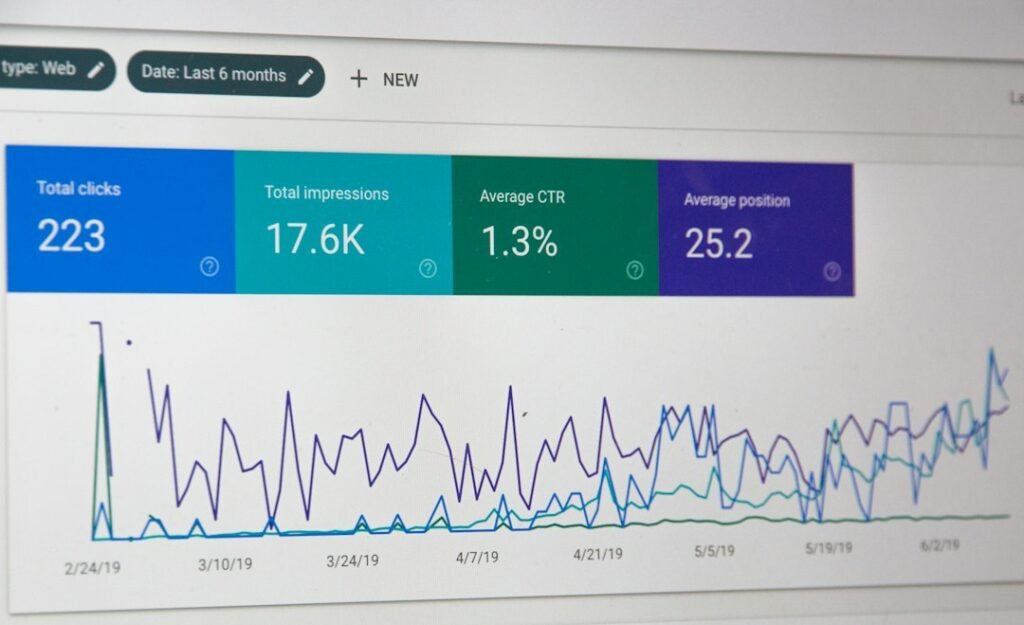
Monitor search impressions, organic clicks, average search position, and click-through rate. Segment these measurements by query, landing page, device, and geographic market to identify specific changes.
Rising impressions may indicate growing search demand. However, improved rankings, additional indexed pages, or broader keyword coverage can also increase impressions.
Similarly, falling clicks may reflect weaker rankings, less attractive search snippets, or changes in search result layouts rather than declining public interest.
Compare website measurements with external keyword demand estimates.
How to Compare Year-on-Year Search Demand?
Year-on-year comparisons help marketers evaluate equivalent seasonal periods rather than concluding from consecutive months alone.
Consider a hypothetical retailer selling winter clothing. Its organic traffic declines between January and March, but historical data reveals similar reductions during previous years. If relevant rankings remain stable, the decline may reflect normal seasonal behaviour.
However, compare event-relative periods when festivals or promotional dates change annually. For instance, examine the four weeks preceding a festival rather than comparing calendar months that contain different stages of customer demand.
Also examine longer-term changes in the intensity of seasonal peaks. A category may retain its recurring demand cycle while gradually losing popularity. Record exceptional events, supply disruptions, and unusual market conditions so that atypical periods do not distort future planning.
How to Distinguish Seasonality From SEO Performance Problems?
Declining organic traffic does not automatically indicate falling keyword demand. Businesses should examine market interest alongside website visibility, technical performance, and search result changes.
Interpreting Common Search Performance Scenarios
Different combinations of metrics suggest different explanations:
Falling keyword demand and stable rankings may indicate seasonal decline.
Stable keyword demand and falling rankings may indicate reduced organic competitiveness or technical problems.
Rising impressions and falling clicks may reflect weaker click-through rates, changing query coverage, or new search result features.
Growing keyword demand and unchanged website visibility may indicate missed optimisation opportunities.
Falling demand and declining rankings may indicate simultaneous seasonal and website performance problems.
Investigating Website Performance Issues
Check indexing reports, website availability, recent migrations, internal linking changes, and content updates. Compare affected pages with unaffected sections to determine whether the problem concerns individual services or the entire website.
Furthermore, review competitor visibility and changes in search intent. A previously successful page may lose relevance if search engines increasingly display product listings instead of informational resources.
How to Identify Seasonal Keyword Opportunities?
Start with existing products, services, and customer enquiries. Examine historical demand for relevant keyword groups and identify recurring modifiers that reflect seasonal requirements.
For example, a travel business may notice early interest in holiday destinations, followed by searches concerning accommodation prices, transport options and booking availability.
Related search queries can also reveal emerging requirements within established seasonal categories. However, marketers should verify whether unfamiliar queries reflect sustainable opportunities or temporary publicity.
Group keywords according to shared search intent instead of creating individual pages for minor wording variations. A single relevant category page may address several closely related transactional queries, whereas separate educational resources may better answer preparation questions.
How Geographic Location Influences Search Seasonality?
Seasonal demand varies across markets because climate conditions, local holidays, tourism cycles, and purchasing habits differ.
For example, a clothing retailer serving regions with different winter temperatures may encounter distinct demand peaks for warm clothing. Similarly, local service businesses may experience fluctuations around regional festivals or school holidays.
National search trends can conceal these variations. Therefore, businesses should examine data for their actual service areas whenever sufficient regional information exists.
Local SEO teams should also coordinate seasonal content with accurate operating hours, service availability, and location information. Where regional data remains limited, use broader trends cautiously and compare them with local enquiry records.
How Search Intent Changes During Seasonal Peaks?
Seasonality affects both the frequency of searches and the purpose behind them. Customers may begin with informational questions, proceed to commercial comparisons and eventually conduct transactional or local searches.
An online retailer preparing for a festival might initially publish product selection advice. As the event approaches, category pages, delivery information and stock availability may become more relevant.
However, customer journeys do not follow identical sequences. Marketing teams should inspect search result formats throughout the seasonal cycle. Changes in prominent page types can help identify shifting intent and indicate whether existing content still meets audience requirements.
How to Forecast Future Seasonal Search Demand?
Historical patterns provide a useful foundation for forecasting, but they cannot determine future search volumes with certainty.
Follow a structured forecasting process:
Identify keyword groups relevant to business objectives.
Collect comparable historical search data.
Identify recurring peaks, troughs, and demand windows.
Assess underlying growth or decline across annual cycles.
Review upcoming events and market conditions.
Estimate likely demand periods using available evidence.
Revise forecasts as new information becomes available.
A seasonality index can help compare monthly demand with an annual average. For example, an index above one indicates demand exceeding the selected baseline.
Meanwhile, moving averages can smooth irregular fluctuations and reveal broader trends. However, excessive smoothing may conceal short seasonal peaks.
Use alternative demand scenarios when uncertainty remains high, particularly for weather-dependent services or markets experiencing structural changes.
How to Create a Seasonal SEO Content Calendar?
A seasonal content calendar converts demand analysis into practical publishing and optimisation schedules. Identify when customers begin researching relevant topics rather than concentrating exclusively on peak purchasing periods.
Schedule content preparation according to production requirements, technical implementation, competition, and the time search engines may need to crawl and index pages.
Prioritise existing seasonal pages when they already address recurring search intent. Maintain stable URLs for recurring topics where appropriate, update relevant information and review internal links before demand increases.
In contrast, year-specific pages may suit events with distinct schedules, eligibility criteria or programmes.
During peak periods, monitor rankings, enquiries, inventory information and conversion pathways. Afterwards, record performance and identify improvements for the next cycle.
Managing SEO During Off-Peak Periods
Lower search demand provides an opportunity to improve website infrastructure and prepare future campaigns without the immediate pressure of peak traffic.
Review technical errors, strengthen internal navigation, update outdated content, and examine pages that failed to attract relevant visitors during previous seasonal periods.
Additionally, publish evergreen resources that address consistent customer requirements. Such content can maintain relevance outside major seasonal events and support related landing pages.
Businesses may reduce unnecessary promotional expenditure when demand declines. Nevertheless, abandoning website maintenance or removing useful seasonal pages can create additional work before the next peak.
How Professional SEO Support Can Improve Seasonal Analysis?
Businesses evaluating a top seo service provider should examine how the provider validates historical trends, distinguishes ranking losses from demand fluctuations, and translates findings into realistic content schedules.
Request clear explanations of keyword grouping, forecasting assumptions, geographic segmentation, and technical assessment procedures. Furthermore, assess reporting transparency and whether proposed recommendations reflect actual business capacity.
Professional support can improve analytical consistency, but marketing teams must still review forecasts against inventory, staffing, service availability, and changing market conditions.
Common Mistakes When Analysing Seasonal Search Demand
Avoid treating annual average search volume as a reliable representation of every month. Annual averages can hide concentrated demand periods and distort content priorities.
Another mistake involves comparing incomplete reporting periods with complete months. Align reporting dates to prevent artificial declines.
Finally, avoid using historical patterns without reviewing current circumstances. A changed event schedule, product shortage, or new consumer preference can alter demand timing. Maintain records of forecast assumptions and revise them whenever relevant evidence changes.
Conclusion
Reliable seasonal search analysis requires businesses to compare historical keyword demand, website visibility, consumer behaviour and relevant event schedules. These comparisons help distinguish expected fluctuations from technical problems, ranking losses and lasting market changes. Businesses can use the resulting insights to prepare seasonal content, maintain evergreen resources, and allocate marketing expenditure more effectively. However, forecasts require regular revision because market conditions and search behaviour can change. Validate demand patterns through multiple relevant data sources before adjusting SEO priorities.
Frequently Asked Questions
1. What Is Seasonal Search Demand in SEO?
Seasonal search demand describes recurring changes in keyword popularity during particular periods. Holidays, weather, purchasing habits, and business cycles can influence these fluctuations. SEO teams analyse historical patterns to identify appropriate publishing schedules, prioritise relevant keywords and distinguish predictable demand reductions from other causes of declining website traffic.
2. How Much Historical Search Data Should Businesses Analyse?
Businesses should examine multiple annual cycles whenever reliable historical data exists. Comparing several years helps identify recurring peaks, unusual fluctuations, and changes in demand intensity. However, newer businesses or emerging keyword categories may have limited information. In such cases, marketers should combine available evidence with relevant market observations.
3. What Causes Keyword Search Volume to Change Throughout the Year?
Weather conditions, public holidays, educational schedules, travel seasons, financial deadlines, and purchasing habits can influence keyword search volume. Unexpected events may also create temporary changes. Businesses should identify which factors affect their target audiences because different industries and geographic markets often experience distinct patterns of seasonal search behaviour.
4. How Can Businesses Identify Seasonal Keywords?
Businesses can identify seasonal keywords by reviewing historical search volume, relative search interest, and related queries. Compare equivalent periods across several years to identify recurring increases. Subsequently, group relevant keywords according to search intent and assess their commercial relevance before assigning them to existing or new website pages.
5. What Is the Difference Between Search Demand and Organic Traffic?
Search demand represents the frequency of searches within a particular market or keyword category. Organic traffic represents visits that an individual website receives through unpaid search results. Although growing demand may increase traffic opportunities, rankings, click-through rates, competition, and search result layouts influence the visits a website receives.
6. How Can Businesses Distinguish Seasonal Traffic Declines From Ranking Losses?
Compare historical keyword demand with current rankings, impressions, organic clicks, and technical website performance. Stable rankings alongside declining market demand may suggest seasonality. Conversely, weaker rankings during stable demand may indicate optimisation problems. Examine affected pages and competing websites before attributing traffic reductions to a single cause.
7. When Should Businesses Publish Seasonal SEO Content?
Businesses should publish or update seasonal content before relevant search interest begins increasing. Appropriate preparation time depends on content complexity, competition, website implementation, and indexing requirements. Review historical demand windows and establish publishing schedules that accommodate these factors rather than relying on a fixed timeline for every campaign.
8. Can Seasonal Search Demand Vary Between Different Locations?
Yes. Regional climate conditions, cultural celebrations, tourism schedules, and local purchasing requirements can create different search patterns. Businesses should analyse geographic demand within their actual target markets. Where local search data remains limited, compare broader regional trends with historical enquiries and operational records to develop more relevant forecasts.
9. How Can Businesses Forecast Future Seasonal Keyword Demand?
Businesses can estimate future keyword demand by comparing historical cycles, evaluating long-term trends, and reviewing upcoming events. Moving averages and seasonal indices may support these assessments. However, forecasts should account for uncertainty and changing market conditions. Update projections as additional search data and relevant business information become available.
10. Should Businesses Continue SEO Activities During Off-Peak Search Periods?
Yes. Lower-demand periods offer opportunities to resolve technical issues, update seasonal pages, improve internal linking, and develop evergreen content. Businesses can also review previous campaign results and prepare resources for upcoming demand increases. Maintain essential SEO activities while adjusting discretionary expenditure according to realistic market and operational requirements.