Professional graphic designing services help businesses communicate their identity, products and messages through purposeful visual materials. Businesses considering ANS Web Solution can discuss branding, promotional graphics and other visual communication requirements for specific applications. Effective design brings typography, colour, imagery and layout together so information remains clear across websites, social media, presentations and printed materials. Depending on the project, requirements may include logos, campaign creatives, brochures or corporate documents. Clear specifications, existing brand assets and agreed deliverables help shape the creative direction from the outset. Thoughtful planning also helps ensure finished artwork suits its intended format, audience and practical purpose.
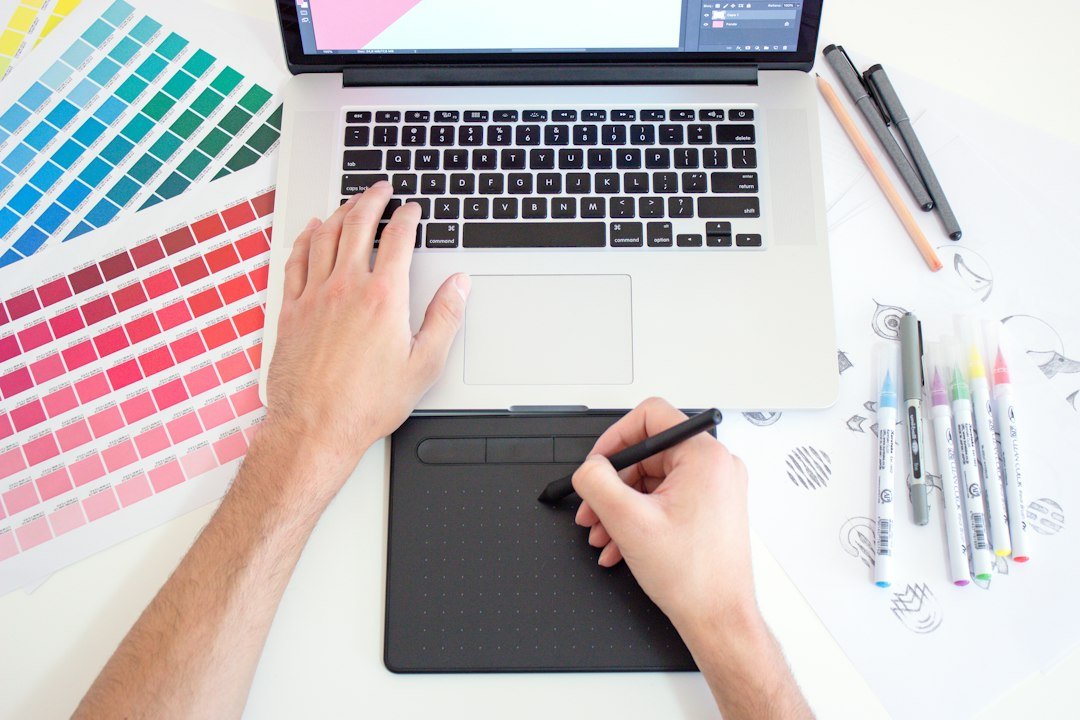
A distinctive visual identity helps people recognise a business across the places where they encounter it. That identity extends beyond a logo. It includes the colours, typefaces, imagery, layouts and graphic details that give business communications a familiar appearance. Effective creative work begins with what a business needs to communicate, who will see the materials and where those materials will appear.
A logo introduces a brand, but supporting design elements make that identity usable across different materials. A carefully selected colour palette can distinguish categories of information, while typography establishes a consistent tone and reading order.
Consistency does not require every design to look identical. A recruitment announcement, product promotion and company presentation serve different purposes. Each needs its own information hierarchy while retaining enough shared visual characteristics to remain recognisable. A practical identity system gives designers room to adapt without introducing unrelated styles for every new requirement.
Existing businesses may already have usable brand assets. In such cases, refining their application can be more appropriate than replacing the identity altogether.
Good creative direction starts with the message. A premium product presentation may call for restrained typography and generous spacing, while a time-sensitive retail promotion may need a prominent offer and clear supporting details. Neither approach suits every audience or format.
Design choices should also reflect how people encounter information. A social media graphic must communicate its main point within limited viewing space. A brochure can accommodate more explanation, provided headings and illustrations help readers navigate the content. Meaningful visual hierarchy allows the most relevant information to attract attention first.
Graphic design and branding support each other, but they are not interchangeable. Branding involves the broader identity and positioning of a business; graphic design translates elements of that identity into visible communication materials.
A coherent visual system must function on both screens and printed materials. Colours may require different preparation for digital displays and commercial printing. Fine details that remain legible on a large poster may disappear when reduced to a small online graphic. Logo variations, suitable typography and appropriately prepared artwork help address these differences.
Businesses can also benefit from documenting approved colours, fonts, logo applications and common layout patterns. Such specifications make future creative requests easier to brief and review. They help teams maintain continuity across campaigns without restricting every design to one arrangement.
Different business activities require different forms of visual communication. Professional graphic designing services can address requirements ranging from brand identity development to promotional artwork and corporate materials. ANS Web Solution can discuss specific design needs, intended applications and suitable deliverables before establishing the project scope. The following categories explain common graphic design requirements and the considerations involved in producing effective visual materials.
A logo provides a recognisable visual symbol, while a complete brand identity establishes the supporting design elements that maintain consistency. Logo development involves considering proportions, typography, colour combinations and reproduction at different sizes.
Brand identity projects may also include alternative logo versions, colour specifications, typography selections and application standards. The agreed deliverables should support practical uses such as websites, stationery, packaging and promotional materials.
Social media graphics communicate announcements, promotions, product information and campaign messages through platform-specific layouts.
Design requirements vary according to image dimensions, text placement and viewing conditions. Posts, stories, advertisements and profile graphics may require separate adaptations. Clear visual hierarchy, legible text and consistent branding help maintain an organised appearance across social media channels.
Marketing graphics support communication across digital advertisements, promotional campaigns, email banners and online display placements.
Effective advertising artwork establishes a clear relationship between the main message, supporting information and call to action. Designers must consider available space, image quality, brand presentation and platform specifications. Campaign materials may also require multiple sizes while retaining the same creative direction.
Printed marketing materials require careful attention to information structure, artwork dimensions and production specifications.
Brochures can present detailed business information through organised sections, imagery and supporting graphics. Flyers and posters usually require a more immediate visual message. Business cards, leaflets and other printed assets also need suitable typography, spacing, bleed settings and colour preparation according to printing requirements.
Corporate communication materials should present business information clearly while maintaining a consistent professional appearance.
Common requirements include company profiles, business presentations, reports, proposals and internal communication graphics. Designers organise headings, charts, images and supporting information to improve readability. Established brand standards can help maintain visual consistency across documents produced by different departments.
Website graphics help communicate information within specific digital layouts. These may include homepage banners, landing-page visuals, promotional graphics, icons and supporting illustrations.
Designers consider display dimensions, file size, legibility and compatibility with the intended website layout. Individual graphic assets differ from complete website development or specialist user-experience design, which require separate project specifications.
Packaging artwork combines product identification, visual presentation and production requirements.
Depending on the product, design work may involve labels, packaging layouts, product illustrations and promotional graphics. Accurate dimensions, material considerations and printer specifications influence artwork preparation. Businesses remain responsible for confirming applicable product information and labelling requirements with the appropriate specialists.
Infographics organise detailed information into visually accessible formats using diagrams, icons, typography and structured layouts.
The design process begins by identifying the main message and determining how supporting information should appear. Appropriate spacing, clear labels and meaningful visual relationships help readers interpret the material. Accurate source information remains essential, particularly when graphics present statistics, comparisons or technical processes.
Professional graphic design requires more than selecting attractive colours, images and fonts. Every design element should serve a defined communication purpose and suit the format in which the audience will encounter it. ANS Web Solution can discuss the following creative and technical requirements with businesses seeking design support. The exact features and deliverables depend on the agreed project scope.
Each design project begins with its own objectives, audience requirements and intended applications. Customised creative direction considers the message, preferred visual style, available content and necessary specifications before artwork development.
A promotional banner may require prominent pricing information, while a company profile needs an organised presentation of business details. Establishing these priorities helps determine suitable compositions, imagery and content arrangements.
Brand alignment involves applying established identity elements consistently throughout creative materials. Designers consider approved logos, colour palettes, typography and visual styles when developing new artwork.
Where brand guidelines exist, they provide useful specifications for design decisions. Projects without established guidelines may require additional discussions about the preferred visual direction. Any proposed identity development should form part of the agreed scope.
Typography determines how readers recognise headings, distinguish information and follow a message. Appropriate font selection, size, spacing and contrast contribute to effective communication.
Visual hierarchy establishes the order in which information attracts attention. Designers can use positioning, scale and whitespace to distinguish primary messages from supporting details. Readability also depends on the intended viewing conditions, particularly for mobile graphics and small printed materials.
Colour choices should reflect the intended communication, existing brand identity and practical application requirements.
A consistent palette can help distinguish content categories and maintain recognisable design patterns. Sufficient contrast between text and backgrounds supports readability. Digital artwork commonly uses RGB colour settings, while commercial printing often requires CMYK preparation. Printers may specify additional colour requirements depending on their production processes.
Different applications require artwork that maintains its quality at appropriate dimensions.
Vector graphics use mathematically defined shapes and paths, making them suitable for scalable elements such as logos and icons. Raster graphics contain pixels and require sufficient resolution for their intended display or print size.
Designers should select suitable asset types during production instead of relying on enlargement or conversion to correct unsuitable source materials.
A design created for one channel may need adjustments before use elsewhere. Social media placements, website banners, advertising graphics and print layouts frequently have different dimensions and content restrictions.
Format adaptation involves reviewing text placement, image cropping, proportions and visual balance. Simply resizing completed artwork may compromise readability or remove important details.
Businesses should identify all required dimensions before production so the project scope accounts for necessary variations.
An effective review process provides a clear method for assessing design concepts and requesting changes.
Stakeholders can evaluate artwork against the approved brief, identify necessary adjustments and consolidate their comments. Distinguishing corrections from substantial changes in creative direction also helps clarify revision requirements.
The project agreement should establish the number of review stages, approval responsibilities and arrangements for additional work.
Artwork preparation involves checking whether the final design meets its intended technical and communication requirements.
Relevant checks include spelling, alignment, spacing, image resolution, colour settings and consistency with approved brand elements. Print projects may also require bleed areas, suitable margins and printer-specific export settings.
Quality reviews should consider the actual destination of the artwork rather than applying identical specifications to every design.
Different file formats serve different production and distribution purposes. JPEG and PNG files commonly support digital graphics, while SVG and PDF files may suit particular vector, document or production requirements.
Editable source files allow authorised users to modify artwork using compatible software. Exported files, however, may not retain the same editing capabilities.
Before work begins, businesses should confirm required formats, editable-file access, third-party asset licensing and final handover arrangements. Clear specifications help ensure the agreed artwork meets its intended operational needs.
Professional graphic design supports how businesses present information, communicate with customers and maintain consistency across different marketing activities. Its value extends beyond visual appearance to include clearer messaging, more organised creative materials and better preparation for digital and printed applications. The practical benefits depend on the quality of the design, the intended audience and how businesses use the finished materials.
Consistent visual presentation makes business materials easier to associate with the same organisation. When websites, advertisements, social media graphics and printed documents follow recognisable design principles, customers encounter a more coherent identity.
Professional design support can reduce unnecessary variations between materials produced for different campaigns. This continuity becomes particularly useful when multiple departments or external partners create branded communications.
Effective graphic design helps audiences identify important information without searching through poorly organised content.
Clear headings, suitable imagery and thoughtful spacing establish relationships between products, descriptions and supporting details. A service brochure, for example, can separate key offerings from technical specifications and contact information.
Better information presentation supports readability and comprehension, although the accuracy and relevance of the underlying content remain equally important.
Marketing campaigns often compete for attention within limited spaces. Professional design helps establish which information deserves immediate attention and which details should provide context.
Visual hierarchy can distinguish an offer, product benefit or campaign message from supporting information. Appropriate creative choices also allow businesses to adapt their communications for different advertising placements.
Campaign performance still depends on factors such as targeting, messaging, audience relevance and distribution.
Customers may encounter a business through its website, social media profiles, advertisements, packaging or corporate documents.
When these materials share a consistent visual direction, they communicate a more unified business identity. Coordinated design also helps different teams follow established branding requirements.
This approach supports continuity without requiring identical layouts across every communication channel or customer interaction.
Approved design elements provide useful starting points for subsequent marketing requirements.
Businesses can reuse suitable visual assets, established layout principles and brand specifications when creating new campaign materials. This reduces the need to reconsider every creative decision from the beginning.
Reusing artwork still requires attention to updated content, image dimensions, platform restrictions and licensing conditions.
Some business communications contain detailed information that readers need to interpret accurately.
Graphic design can organise product comparisons, operational processes, service information and numerical data through diagrams, charts and structured layouts.
Meaningful visual organisation reduces unnecessary complexity in presentation. However, designers must preserve the accuracy of the original information and avoid visual treatments that distort figures or relationships.
Incorrect dimensions, unsuitable image resolution and poorly prepared files can create problems during publication or printing.
Professional artwork checks can identify potential issues before final delivery. Reviewing typography, image placement, colour specifications and export settings helps businesses prepare materials for their intended applications.
These checks cannot eliminate every production risk, particularly when external printing equipment or platform requirements affect the final output.
Graphic design projects frequently involve marketing teams, business owners, content writers and other stakeholders.
Clear creative requirements and organised feedback allow participants to assess artwork against shared objectives. Defined approval responsibilities also reduce conflicting instructions and unnecessary changes.
A structured collaboration process makes it easier to manage expectations concerning revisions, deliverables and final artwork acceptance.
The value of professional design depends on how effectively the finished material serves its intended purpose.
A presentation should organise information for its audience, while an advertisement should communicate a focused message within the available space. Relevant design choices connect these requirements with suitable visual execution.
Businesses can assess this value through communication clarity, format suitability, brand consistency and the usefulness of the delivered assets rather than relying solely on appearance.
Every business has different visual communication requirements depending on its industry, audience, marketing objectives and existing brand materials. Custom graphic designing services address these differences through suitable creative direction, content organisation and format-specific deliverables. ANS Web Solution can discuss individual project requirements to help establish an appropriate design scope without applying the same creative approach to every business.
Startups often require foundational visual assets to establish a recognisable business identity. Initial requirements may include logo concepts, brand colours, typography, business stationery and promotional graphics.
Creative planning should consider the intended audience, business positioning and immediate communication priorities. A focused set of adaptable assets can support initial marketing activities while allowing room for future requirements.
Small businesses frequently need graphics for promotions, social media, printed materials and customer communications.
Project planning can prioritise the most useful deliverables within an available budget. Existing logos and brand colours may provide a suitable starting point, reducing unnecessary redesign work.
Clear requirements help businesses distinguish essential design work from optional creative additions.
Established organisations often manage multiple communication channels and require consistent application of approved brand elements.
Corporate design projects may involve presentations, company profiles, internal documents, marketing collateral and promotional campaigns. Designers must consider existing brand standards, departmental requirements and approval responsibilities.
Where several stakeholders participate, consolidated feedback can help maintain a clear creative direction.
E-commerce businesses require product-focused visuals suited to online shopping platforms, promotional campaigns and digital advertisements.
Artwork specifications may vary according to image dimensions, product presentation requirements and placement restrictions. Marketing teams may also need coordinated campaign graphics across websites, email communications and social media.
Planning these adaptations early helps maintain consistency between related promotional materials.
Businesses reviewing their visual identity may need selective improvements rather than a complete redesign.
Refreshing typography, adjusting layouts or refining colour applications can improve consistency while preserving recognisable brand elements. More extensive changes require separate consideration of identity development and implementation requirements.
Organisations with recurring design needs may benefit from reusable layouts, organised brand assets and clearly documented specifications.
Discuss logos, brand identity, social media graphics, brochures, advertising creatives and digital or print-ready artwork with ANS Web Solution.
A structured graphic design process helps businesses communicate their requirements, review creative work and obtain artwork suited to its intended purpose. Each stage connects design decisions with project objectives, brand requirements and technical specifications. The following workflow outlines a practical approach that businesses can discuss with ANS Web Solution. Individual stages, responsibilities and deliverables depend on the agreed project scope.
The process begins by identifying the project’s objectives, target audience and intended applications. A clear creative brief establishes the main message, preferred visual direction and expected deliverables.
Businesses should provide relevant details, including brand assets, approved content, artwork dimensions, preferred formats and project priorities. Early clarification helps designers identify missing information before creative development begins.
Reviewing existing branding materials helps establish a suitable visual direction. Designers examine available logos, colour palettes, typography, previous artwork and brand standards.
This assessment also considers the communication objective and intended audience. Businesses without established visual specifications may need additional discussions about creative preferences and identity requirements.
Concept development translates the approved brief into possible visual approaches.
Designers consider layout arrangements, imagery, typography and colour relationships before refining the artwork. Initial concepts help stakeholders evaluate the proposed direction and identify adjustments.
The number of concepts and their level of development should reflect the agreed project requirements.
Once stakeholders establish a suitable creative direction, designers develop the artwork using the available content and specifications.
Production involves arranging text, selecting suitable imagery, refining spacing and establishing visual hierarchy. Each element should support the intended message without creating unnecessary visual complexity.
Digital and print applications may require different technical settings during production.
Review stages allow stakeholders to assess the artwork against the original requirements.
Feedback should identify specific concerns about messaging, layout, branding or visual presentation. Consolidated comments help prevent conflicting instructions and support more organised revisions.
Businesses should confirm the agreed revision arrangements, approval responsibilities and treatment of substantial changes to the original scope.
After reviewing feedback, designers make the agreed adjustments and check the artwork for potential errors.
Quality checks may include spelling, alignment, spacing, proportions, image resolution and brand consistency. Print materials may require additional checks against the printer’s specifications.
Final approval should confirm that the artwork meets the agreed communication and production requirements.
Approved artwork requires suitable preparation for its intended applications.
Common deliverables may include JPEG, PNG, PDF or vector files, depending on the design. Editable source files require separate agreement where applicable.
Businesses should confirm delivery formats, access permissions, third-party asset licensing and any relevant printing specifications before accepting the final files.
Some projects require approved artwork in multiple dimensions or formats for different marketing channels.
Additional work may involve adapting campaign graphics, updating promotional information or preparing related creative materials. Existing design assets and documented specifications can support consistency across these requirements.
The project agreement should clarify which adaptations form part of the original work and which require a separate scope.
Different industries require distinct visual communication approaches based on their audiences, products, services and marketing objectives. Professional graphic design must account for sector-specific information, appropriate presentation styles and the platforms businesses use to communicate. ANS Web Solution can discuss design requirements across different business sectors, with project scope and deliverables determined by individual needs.
Retail businesses require product-focused graphics that communicate offers, product categories and promotional information clearly.
Common requirements include product banners, seasonal campaign creatives, digital advertisements and promotional materials. Designers must consider product visibility, consistent branding and platform-specific image specifications while keeping important purchasing information easy to identify.
Healthcare and wellness organisations often need clear, accessible visual communication for services, facilities and educational information.
Design requirements may include informational brochures, service graphics, appointment-related materials and promotional artwork. Readable typography, appropriate imagery and organised layouts support communication. Businesses should independently verify medical claims and applicable advertising requirements before publication.
Educational institutions and training providers use graphic design to communicate course information, admissions details and institutional announcements.
Relevant materials may include admission posters, programme brochures, event graphics, presentations and social media creatives. Structured layouts help distinguish eligibility requirements, course details and important dates while maintaining a consistent institutional identity.
Real estate businesses frequently require visual materials that present property information and promotional messages.
Property brochures, listing graphics, project banners and promotional advertisements should communicate relevant features through organised layouts and suitable imagery. Accurate property details, readable specifications and consistent branding support clear presentation across print and digital channels.
Hospitality businesses rely on visual materials to present menus, facilities, services and promotional offerings.
Restaurants may require menu layouts, food promotion graphics and branded marketing materials. Hotels and hospitality providers may need service brochures, event creatives and digital banners. Design choices should accommodate accurate descriptions, suitable imagery and practical information.
Technology businesses often communicate products and services that involve detailed technical information.
Graphic design can support product presentations, software illustrations, digital advertisements and informational diagrams. Clear visual hierarchy helps distinguish product capabilities, technical features and supporting explanations without overwhelming readers with unnecessary decorative elements.
Professional service providers generally require organised, credible visual communication for business audiences.
Common materials include company profiles, corporate presentations, service brochures, reports and branded documents. Consistent typography, restrained colour applications and structured information layouts can support formal communication. Financial and regulated businesses must also check applicable disclosure and promotional requirements.
Manufacturing companies may require product catalogues, technical brochures, exhibition graphics and corporate presentations.
Industrial design materials often contain detailed specifications, product illustrations and application information. Designers should prioritise accurate content placement, legible technical details and suitable print preparation while preserving the clarity of product information.
Event organisers and entertainment businesses often need coordinated promotional artwork across several formats.
Event posters, digital invitations, promotional banners and social media graphics may share a common visual theme. Designers must accommodate event details, sponsor identities, venue information and platform dimensions while maintaining a recognisable campaign appearance.
Choosing a professional graphic designing company involves evaluating more than the visual appearance of its work. Businesses should consider how a provider handles creative requirements, maintains brand consistency, manages revisions and prepares final deliverables. An organised approach can support projects involving multiple design assets, stakeholders or marketing channels.
Businesses often need different types of artwork for ongoing marketing and communication activities. A professional design provider can coordinate related requirements, including branding materials, promotional graphics, presentations and digital creatives.
Clear project planning helps establish priorities, required formats and delivery expectations. Businesses should confirm which services a provider offers before assigning multiple creative requirements.
Maintaining visual consistency becomes more challenging when businesses produce artwork across several platforms.
A structured approach allows designers to follow approved logos, typography, colours and layout principles. Shared brand specifications also help maintain continuity when different people contribute to creative projects.
Effective collaboration requires clearly defined responsibilities between the business and its design provider.
Customers should know who manages the creative brief, reviews concepts, communicates feedback and approves final artwork. Establishing these responsibilities early can reduce conflicting instructions and unnecessary revisions.
The project agreement should also clarify communication arrangements and expectations concerning additional work.
Different design applications require different production considerations. Digital advertisements, printed brochures and scalable logos may need distinct file formats, resolutions and artwork settings.
When evaluating a provider, businesses should review relevant portfolio samples and discuss technical requirements. They should also confirm whether editable source files, print-ready artwork and format adaptations form part of the proposed service.
Different working arrangements suit different business requirements.
Independent designers may provide appropriate support for clearly defined projects. Internal teams can offer close coordination with ongoing business activities. A graphic designing firm may suit organisations seeking centrally managed creative requirements across several categories.
Businesses should compare relevant capabilities, communication practices, available resources and project responsibilities instead of assuming one working model always produces better results.
The lowest quoted price does not necessarily represent the same scope of work.
Before selecting a provider, businesses should clarify the number of concepts, revision arrangements, required formats, delivery expectations and additional charges.
Artwork ownership, third-party image licensing and source-file access also deserve attention. Comparing these details alongside portfolio suitability helps businesses select a design arrangement that matches their requirements and budget.
Choosing a graphic design provider requires confidence in how your business requirements will translate into practical visual materials. ANS Web Solution offers businesses an opportunity to discuss their creative needs, branding objectives and intended applications before determining a suitable project approach. Our focus is on establishing what each design needs to communicate, which deliverables matter and how the proposed creative direction can support your business objectives.
Different businesses have distinct communication priorities. A startup developing its initial branding materials has different requirements from an established organisation preparing promotional artwork for multiple marketing channels.
At ANS Web Solution, discussions can begin with your business objectives, intended audience and preferred design applications. These details help determine the type of creative support your project may require.
A clear brief also helps distinguish essential design requirements from additional elements that may not serve the immediate objective.
Consistent branding depends on the thoughtful application of logos, colours, typography and other visual elements.
When discussing a project with ANS Web Solution, businesses can identify which existing brand assets should influence the creative direction. Established visual standards may provide a suitable foundation for new promotional materials.
Projects requiring a new visual identity may involve different planning considerations. Clarifying these requirements helps determine whether the work involves adapting existing assets or developing a broader creative direction.
Artwork must suit the environment in which customers will encounter it. Website banners, social media graphics, printed brochures and corporate presentations have different technical and communication requirements.
ANS Web Solution can review the intended applications during project discussions to clarify relevant dimensions, content requirements and delivery formats.
Businesses should also identify whether they need artwork for one placement or several channels. Establishing these requirements before production helps clarify the necessary adaptations and associated project scope.
A well-defined project scope provides a practical foundation for creative collaboration.
Before commissioning design work, customers can discuss the number of required assets, preferred formats, available content and review expectations. These conversations help establish what the proposed service should include.
Businesses can also clarify whether editable source files, additional design variations or print preparation form part of their requirements.
Transparent discussions about these details support clearer expectations concerning deliverables, responsibilities and project costs.
Graphic design projects benefit from meaningful communication between the customer and the design provider.
Sharing relevant brand materials, identifying the intended audience and explaining the purpose of the artwork gives designers a clearer basis for creative decisions.
Customers considering ANS Web Solution can discuss suitable feedback arrangements, approval responsibilities and revision requirements before proceeding.
Establishing these arrangements early helps both parties assess whether the proposed working approach suits the complexity and expectations of the project.
Some artwork serves a single campaign, while other visual assets may support recurring business communication.
Businesses planning future campaigns should consider how approved graphics, design elements and file formats may accommodate additional applications.
ANS Web Solution can discuss these considerations during the enquiry stage, particularly when customers require multiple creative assets or anticipate further adaptations.
The appropriate approach depends on existing branding, intended usage, available resources and the agreed design scope.
Your business deserves visual materials that communicate information clearly and reflect its intended brand presentation.
ANS Web Solution welcomes enquiries from businesses seeking graphic design support for branding, promotional artwork, corporate communication and other visual requirements.
Share your project objectives, available brand materials, preferred formats and expected deliverables. These details provide a starting point for discussing the creative approach and confirming the services relevant to your needs.
Contact ANS Web Solution to discuss your graphic designing requirements and request information about a suitable design solution for your business.
A graphic designing company can provide logo design, brand identity development, social media graphics, advertising creatives, brochures, corporate presentations and digital artwork. Available services depend on the provider's capabilities. Businesses should identify their communication requirements and confirm the relevant design deliverables before commissioning a project.
Start by identifying your communication objectives, target audience and intended design applications. Review your existing branding materials, available content and budget. Prioritise essential deliverables, such as logos, promotional graphics or corporate documents. Discuss your requirements with a design provider to determine an appropriate project scope.
Provide your project objectives, target audience, existing logos, brand colours, approved content and preferred visual style. Include artwork dimensions, required file formats and intended applications. Identify the person responsible for approvals and communicate relevant deadlines. These details help establish clear requirements before creative development begins.
Graphic design costs depend on project complexity, the number of deliverables, creative requirements, revisions and final file specifications. Developing a complete visual identity generally involves different work from adapting an existing promotional graphic. Request a detailed quotation that explains the proposed scope, included services and potential additional charges.
Project timelines depend on design complexity, content availability, the number of concepts and the approval process. Simple artwork adaptations may require less development than extensive branding projects. Businesses should discuss delivery expectations, feedback responsibilities and revision arrangements with their chosen provider before confirming a project schedule.
Yes, businesses can request design revisions according to the terms agreed with their provider. Revisions may involve changes to typography, colours, imagery, layouts or other visual elements. Confirm the number of included revision rounds before commissioning work, as significant changes to the original brief may involve additional charges.
The appropriate formats depend on how you intend to use the artwork. JPEG and PNG files commonly support digital graphics, while PDF files often suit documents and printing. Vector formats such as SVG support scalable artwork. Confirm whether editable source files form part of the agreed deliverables.
Custom graphic design develops artwork around specific brand requirements, communication objectives and creative preferences. Template-based design adapts an existing layout, potentially reducing the amount of original development required. The suitable approach depends on design complexity, flexibility, originality requirements, licensing conditions and the intended applications of the finished artwork.
Professional graphic design applies established logos, colours, typography and visual standards across different communication materials. Consistent application helps businesses maintain a recognisable identity throughout marketing campaigns and corporate communications. Approved brand assets, documented specifications and appropriate design reviews can reduce unnecessary visual differences between channels.
Evaluate the agency's relevant portfolio, available services, communication approach and ability to meet your project requirements. Discuss design concepts, revision arrangements, expected deliverables, file formats and licensing conditions. Compare the proposed scope alongside pricing, and confirm responsibilities before selecting a provider for your graphic design project.
A logo often acts as one of the most visible elements of a business identity. When designed with clear purpose, it can help create a distinctive, consistent, and recognisable presence acro…
ANS Web Solution • 10/09/2026
Successful brochure design depends on far more than attractive graphics. Purpose, audience, information hierarchy, layout, typography, colour, imagery, branding, readability, calls to acti…
ANS Web Solution • 10/09/2026
Professional graphic design gives businesses a clear visual language for presenting their identity, services, products, and ideas. A well-planned Graphic Designing Service can shape logos,…
ANS Web Solution • 08/08/2026
Share your business requirements, branding assets, intended formats, creative references, expected deliverables and project timeframe.
Bring your brand ideas, marketing messages and visual communication requirements together through purposeful graphic design.