Search engine marketing services help businesses reach people actively searching for products or services through targeted paid advertisements.
ANS Web Solution supports businesses with campaign planning, keyword selection, Google Ads and Microsoft Advertising management, and performance monitoring.
Effective campaigns match relevant search queries with clear ads and landing pages that drive meaningful enquiries or purchases.
Careful budget allocation, conversion tracking, and ongoing optimisation help businesses assess advertising value rather than relying on clicks alone.
Our approach focuses on commercial intent, measurable objectives, and practical adjustments based on campaign data, giving businesses clarity over their paid search investment and growth opportunities.

Search engine marketing services involve planning, running, and improving paid advertising campaigns that connect businesses with people searching for relevant products or services.
Advertisers select search terms, audiences, locations, budgets, and campaign objectives. Advertising platforms then determine which eligible advertisements appear for particular searches.
The objective extends beyond attracting visitors. Effective paid search programmes seek enquiries, purchases, bookings, or other actions that contribute to business goals.
Search advertising commonly operates through an auction. When someone enters a relevant query, the platform evaluates eligible advertisements before deciding which may appear.
An advertiser’s bid matters, but ad quality, relevance, competition, and other auction factors also influence visibility and costs.
An advertisement can direct users to a product page, service page, appointment form, or another destination suited to their search intent.
Most conventional search campaigns use cost-per-click pricing. Businesses generally pay when someone clicks their advertisement, rather than simply viewing it.
Paid placements are distinct from organic results. Advertising expenditure can support visibility, but it does not purchase a permanent position.
In this service context, SEM means paid search advertising. PPC, or pay-per-click, describes a payment model used across several advertising channels.
PPC advertising can appear beyond search engines, including certain display and social advertising placements. Consequently, PPC and SEM overlap without being identical concepts.
Search engine optimisation, or SEO, focuses on improving unpaid search visibility through website content, technical improvements, and other relevant practices.
A business may use both paid search and SEO, but each requires different activities, budgets, performance expectations, and reporting arrangements.
Paid campaigns can begin serving advertisements after approval and launch. Organic visibility typically develops through ongoing optimisation and search engine evaluation.
Professional management combines strategic decisions with practical account maintenance. The specific scope depends on business objectives, existing campaigns, advertising platforms, and available resources.
Common activities include:
Management may also involve reviewing landing pages, testing advertising messages, and assessing performance by location, device, or campaign segment.
Google Ads and Microsoft Advertising both support search campaigns. Their suitability depends on audience behaviour, search demand, available features, and business priorities.
Search campaigns primarily target searches through keyword-based advertising. Shopping campaigns can present product information and serve different purchasing journeys, especially for retailers.
Other advertising campaign types may extend beyond search results. A professional proposal should distinguish these placements rather than describing all advertising as search traffic.
Platform selection should follow the business case. Running campaigns across both platforms is not automatically necessary or cost-effective.
An effective engagement starts with clear objectives and responsibilities, including who controls the advertising account, approves budgets, and reviews performance.
ANS Web Solution approaches search marketing as a managed business activity requiring relevant targeting, reliable measurement, and regular decisions informed by campaign results.
Businesses should assess progress through useful outcomes, not impressions or clicks alone. Conversion quality and customer acquisition economics provide essential context.
No agency can guarantee a particular volume of sales. Results depend on competition, demand, advertising investment, landing page quality, and customer decisions.
The value of professional SEM lies in making those variables visible, managing controllable factors, and refining campaigns as credible evidence develops.
Paid advertising creates opportunities to reach prospective customers, but managing campaigns responsibly requires more than selecting keywords and setting a daily budget.
Professional search engine marketing services become valuable when advertising decisions affect profitability, staff capacity, and the quality of incoming enquiries.
Not every business needs an external agency. The need depends on campaign complexity, internal expertise, available time, and commercial objectives.
Campaign accounts can contain multiple services, locations, keyword groups, advertisements, audience settings, and conversion actions. Each element requires informed decisions.
A company advertising several offerings may attract entirely different customer intentions. Combining those searches indiscriminately can make expenditure and results harder to interpret.
Professional management brings a structured approach to prioritising campaigns, separating distinct objectives, and identifying which settings deserve attention.
Advertising budgets should reflect commercial priorities, not merely the amount a business feels comfortable spending each day.
Poor keyword selection, unsuitable locations, broad targeting, or unchecked search terms can divert expenditure towards visitors unlikely to become customers.
Effective PPC management services support better spending decisions by examining where money goes and which campaigns produce useful actions.
Budget reviews should consider:
An agency cannot remove advertising risk. It can help identify avoidable costs and explain the trade-offs behind spending decisions.
High traffic volumes do not automatically create strong commercial results. Some searchers compare prices, seek employment, or request information unrelated to an offer.
A local service provider may need enquiries from particular postcodes, while a national supplier may prioritise specific products or profitable customer segments.
Professional campaign planning examines search intent, geographic coverage, advertisement messaging, and the suitability of each destination page.
These choices help reduce mismatches between what users seek and what the business can deliver.
Click figures alone cannot show whether advertising contributes to revenue. Businesses need dependable measurement before making confident decisions about campaign performance.
Tracking may cover completed forms, calls, purchases, or appointment requests, depending on the business model and available technical setup.
Even correctly recorded enquiries can vary significantly in value. A campaign generating many unsuitable leads may perform worse commercially than one generating fewer qualified prospects.
Professional oversight involves reviewing conversion definitions, checking for duplicate or misleading events, and considering feedback from sales teams where available.
When the business can connect advertising activity with meaningful outcomes, budget and bidding decisions have a stronger factual basis.
Competitor activity, seasonal demand, and customer search behaviour can change the environment in which advertisements compete.
A campaign that once met its acquisition targets may need reassessment when conversion rates, search volume, or auction conditions shift.
Managed search engine marketing services provide a framework for reviewing these changes and deciding when adjustments are justified by sufficient evidence.
Constantly changing campaigns without a clear reason can also undermine evaluation. Responsible management balances responsiveness with enough time to assess results.
Business owners and marketing teams often manage many responsibilities beyond paid search, including customer enquiries, website updates, and sales operations.
Without dedicated capacity, search term reviews, tracking checks, advertisement tests, and reporting may receive inconsistent attention.
Outsourcing may offer a practical alternative to hiring for every specialised task, although management fees must remain proportionate to advertising requirements.
Before engaging ANS Web Solution, businesses should clarify their goals, internal responsibilities, expected deliverables, reporting needs, and budget for both advertising and management.
The appropriate decision is the arrangement that provides sufficient expertise and accountability without introducing unnecessary operational cost.
ANS Web Solution offers search engine marketing campaign services that connect advertising decisions with defined business goals. Our approach considers search demand, customer intent, campaign structure, spending limits, and measurable outcomes.
Service requirements differ between businesses. A local appointment-based company needs different targeting and measurement priorities from an online retailer or a supplier pursuing longer sales cycles.
Advertising plans must also reflect website readiness and the team’s capacity to respond to enquiries. Paid traffic cannot compensate for unclear offers or an unreliable enquiry process.
Effective advertising starts with a clear commercial objective. Our SEM strategy services focus on identifying suitable campaign goals, audiences, locations, and budgets before allocating expenditure.
An initial account review can reveal overlapping campaigns, unsuitable settings, or gaps in conversion measurement. New accounts require a structure that reflects products, services, and customer priorities.
Our search engine marketing consulting services support decisions about platform selection, account organisation, and the resources needed for responsible campaign management.
Keyword research identifies searches that indicate relevant customer needs. We examine how closely potential queries match the offering, rather than choosing terms solely for search volume.
Research also considers location-specific language, buying stages, and searches that suggest limited commercial relevance. Negative keyword planning helps exclude unsuitable traffic when campaign settings allow it.
These decisions shape advertisement relevance and help businesses direct expenditure towards searches more likely to produce meaningful enquiries or purchases.
Our Google Ads management services cover campaign configuration, keyword organisation, responsive search advertisements, advertising assets, and ongoing performance reviews.
Campaign settings must match the intended customer journey. Search campaigns suit many enquiry-driven objectives, while eligible retailers may require Shopping campaigns for product-focused advertising.
Google Ads advertising services also involve checking search terms, evaluating campaign data, and recommending changes based on conversion performance rather than click counts alone.
Our Microsoft Ads management services address campaigns on Microsoft Advertising, including keyword targeting, advertisement creation, spending controls, and performance evaluation.
Some businesses still search for Bing Ads management services, although Microsoft Advertising is the current platform name. Platform selection should follow audience relevance and viable search demand.
Campaigns across two platforms require separate performance reviews; identical settings do not necessarily produce comparable outcomes.
Our PPC campaign management services include reviewing bidding approaches, campaign priorities, and expenditure distribution. Appropriate decisions depend on campaign objectives and the reliability of conversion data.
Keyword bidding management services may involve evaluating manual controls or supported automated bidding strategies. Automated systems still require suitable goals, reliable signals, and oversight.
Budget decisions consider the value of different conversions, rather than automatically shifting expenditure towards campaigns with the cheapest clicks.
Our paid search advertising services include developing relevant messages, testing suitable variations, and aligning advertisements with the destination page.
A strong advertisement should communicate what the business offers without promising services that its landing page cannot substantiate. Clear next steps help visitors act on their intent.
Search ad campaign optimisation includes checking whether messages, search queries, and landing pages remain consistent as campaigns develop.
Reliable tracking connects advertising activity with meaningful actions, including enquiries, calls, bookings, and purchases where measurement is available.
Our search engine marketing management services emphasise checking conversion definitions and reviewing campaign results against business objectives. Lead quality feedback can add context when tracking systems support it.
Reports should make three points clear:
Before work begins, businesses should clarify account access, approvals, reporting expectations, and responsibility for website changes.
Businesses can discuss their objectives with ANS Web Solution to determine an appropriate management scope before committing advertising resources.
ANS Web Solution follows a structured process to plan, launch, and refine paid search campaigns around measurable business priorities.
Each stage connects advertising decisions with customer intent, available resources, and performance evidence rather than relying on assumptions or routine changes.
We also establish review responsibilities, so performance discussions address decisions the business can act upon, not isolated advertising numbers.
We begin by identifying the outcomes that matter: qualified enquiries, completed purchases, appointment bookings, or another meaningful customer action.
Campaign goals should reflect the value of those actions, the available advertising budget, and the business’s capacity to handle demand.
For lead generation, we consider what qualifies as a useful enquiry and how the sales team will assess incoming prospects.
For online sales, product margins, average order value, and repeat purchasing patterns may affect the acceptable acquisition cost.
These commercial considerations establish priorities before decisions about keywords, platforms, or bidding.
Where an advertising account already exists, we examine its campaign structure, targeting settings, search terms, spending patterns, and conversion measurements.
The purpose is to identify practical issues without assuming that every existing campaign needs rebuilding.
We also assess whether relevant landing pages explain the offer clearly, load reliably, and provide a suitable next action.
A well-targeted advertisement cannot compensate for a broken form, confusing pricing information, or a page unrelated to the search.
Account access, approval responsibilities, and any necessary website changes should be agreed before implementation.
Next, we examine how prospective customers search for the business’s offerings and which queries indicate a reasonable likelihood of conversion.
Keyword planning separates closely related services and purchasing intentions, while negative keyword research addresses searches outside the intended offering.
Geographic coverage matters equally. A provider serving selected districts should not automatically pay for enquiries from areas it cannot reach.
We then organise campaign themes around relevant products, services, and locations, avoiding unnecessarily fragmented structures that complicate measurement.
This research shapes the proposed targeting, advertisement messages, and budget priorities.
Search volume alone does not determine priority; a narrower query may better reflect a buyer’s immediate requirement or service location.
The campaign plan translates research into practical account settings, including campaign objectives, locations, keyword groups, bidding approaches, and spending controls.
ANS Web Solution develops advertisement messages that correspond to search intent and align with the information available on landing pages.
Relevant advertising assets may provide additional details, such as services or contact options, where the platform supports them.
We consider how much budget each campaign needs for a meaningful evaluation, without assuming that higher expenditure always produces better outcomes.
Before launch, the business should approve major decisions affecting expenditure, offers, and customer-facing claims.
Before campaigns begin serving, we check that the selected conversion actions represent real business value and that available tracking works as intended.
Testing may cover completed forms, purchases, telephone interactions, or other relevant events, depending on the website and measurement setup.
Duplicated conversions or irrelevant events can distort reporting and influence automated bidding decisions, making verification an essential part of preparation.
Once campaigns launch, early reviews focus on delivery, search relevance, expenditure, and obvious configuration problems.
Initial fluctuations should not automatically trigger extensive changes, especially when campaign data remains limited.
Ongoing SEM campaign management requires regular assessment of search terms, negative keywords, advertisement relevance, bidding performance, and allocation of expenditure.
We compare recorded conversions with available feedback about lead quality or sales outcomes, rather than treating every recorded action as equally valuable.
Adjustments should follow identifiable patterns and business priorities. Where evidence remains limited, further observation or controlled testing may be preferable.
Our paid search management services also involve explaining what campaigns spent, which outcomes they produced, and where measurement remains uncertain.
Changes to the offer, website, or sales process can also affect results and should inform subsequent campaign decisions.
Reporting creates an opportunity to revisit business goals, discuss changes in demand, and agree which improvements deserve attention next.
Managed search engine marketing services help businesses make more informed decisions about paid search investment. Their value lies in aligning advertising activity with commercial priorities.
Results depend on market demand, competition, website quality, measurement accuracy, and the resources available to support campaigns.
Paid search gives businesses an opportunity to appear when potential customers express a specific need through a search query.
An advertisement for an emergency repair service, for example, reaches a different audience from a general brand-awareness message.
Relevant keyword choices and matching landing pages can improve the likelihood that visitors find what they expect.
However, even highly relevant traffic may not convert when prices, availability, or offers fail to meet customer expectations.
The practical advantage is greater control over which searches receive advertising investment, rather than paying indiscriminately for exposure.
Where intent is unclear, testing and search-term evidence help distinguish preliminary research from immediate demand before budgets expand.
Business priorities rarely remain equal across every product, service, or location. Some enquiries carry greater potential value or require less operational effort.
Managed campaigns make it easier to examine those differences before distributing expenditure.
A business might prioritise a profitable service area while limiting spending where delivery costs make enquiries less attractive.
Such choices require reliable cost and conversion information. Low click prices alone cannot establish value.
Affordable search engine marketing services should therefore mean proportionate management costs and disciplined expenditure, not the lowest possible campaign budget.
Advertising dashboards show impressions, clicks, and conversions, but those figures cannot fully describe commercial performance.
A submitted enquiry might come from an unsuitable customer. A recorded purchase might generate little margin after fulfilment costs.
Professional oversight encourages businesses to compare campaign data with lead assessments, transaction values, and sales information when these records are available.
The resulting picture can support more realistic discussions about customer acquisition costs and acceptable returns.
Measurement has limits, particularly when customers switch devices or complete purchases offline. Reporting should acknowledge those gaps rather than imply perfect attribution.
Search demand changes with seasonality, local conditions, competitor activity, and customer preferences.
Managed oversight creates opportunities to recognise meaningful shifts and adjust spending or messaging when evidence supports action.
For example, stronger demand for one service might justify a revised allocation, provided the business can fulfil additional orders.
Equally, temporary fluctuations may call for patience rather than immediate intervention.
The benefit is an informed decision-making rhythm that balances responsiveness with consistent measurement, not a promise of continual performance gains.
Search advertising competes with other business responsibilities, including enquiries, customer service, sales follow-up, and website maintenance.
Outsourcing appropriate tasks may free internal staff to concentrate on activities that depend on their product or customer knowledge.
However, effective external management still requires input on offers, budgets, customer feedback, and operational constraints.
A suitable arrangement gives the business visibility over major decisions without requiring its team to handle every account adjustment.
Management fees should also be assessed against workload, campaign complexity, and the cost of maintaining equivalent capabilities internally.
The business should retain account access and receive explanations of major changes, so outsourcing does not weaken oversight.
Clear ownership and approval processes can strengthen this arrangement further.
A company may begin with a narrow campaign and later add services, locations, or product categories.
Managed SEM services offer a framework for assessing expansion against demand, profitability, and operational capacity.
Expanding coverage does not automatically justify increasing budgets; new markets may have different competition and customer acquisition costs.
Similarly, reducing expenditure can be sensible when margins tighten, or enquiry handling reaches capacity.
ANS Web Solution focuses on linking these choices to business objectives, so advertising remains accountable as priorities change.
Discuss your search demand, keyword strategy, Google Ads or Microsoft Advertising campaigns, budget controls, and conversion goals with ANS Web Solution.
Search advertising requirements change according to what a business sells, where it operates, and how customers make purchasing decisions.
ANS Web Solution considers these differences when planning campaigns, selecting conversion actions, and evaluating which advertising opportunities deserve investment.
A practical approach to search engine marketing for small businesses begins with a narrow set of commercially relevant offers.
Limited budgets rarely support advertising every service across every possible location. Prioritising proven offerings and clearly defined customer groups creates a more manageable starting point.
Campaigns may focus on calls, quotes, or purchases, depending on how customers buy. Reporting should identify useful outcomes without overwhelming owners with unnecessary metrics.
Smaller businesses must also account for management fees, enquiry-handling capacity, and the time needed to evaluate campaign results.
For plumbers, cleaning companies, clinics, and other location-dependent providers, local search engine marketing services require careful geographic targeting.
A relevant search from outside the service area may still generate an unproductive click. Location settings, localised messages, and service-specific landing pages deserve particular attention.
Call tracking or booking forms may offer useful conversion signals, provided the business checks their accuracy and customer suitability.
Advertising should reflect actual operating hours, available services, and service boundaries. Expanding coverage only makes sense when the provider can fulfil additional demand.
For online retailers, search engine marketing for ecommerce must account for product availability, margins, transaction values, and the competitiveness of individual categories.
Search campaigns can target specific purchasing queries, while suitable Shopping campaigns can present product information to prospective buyers.
A retailer should assess advertising performance against revenue and contribution margins, not simply order volumes or return on ad spend.
Product data and the pages behind advertisements should show accurate prices, availability, and delivery information. Retailers also need to consider returns and discounting before increasing spending on popular but low-margin products.
Stock changes, delivery costs, pricing, and checkout problems can alter profitability. Campaign priorities should respond to those realities rather than treat all products equally.
Business-to-business buyers often research suppliers, compare specifications, and involve several decision-makers before purchasing.
Paid search marketing services for B2B organisations should distinguish early research from requests that indicate purchasing authority or a defined requirement.
A form submission might represent an initial conversation rather than an immediate sales opportunity. Qualification criteria and sales-team feedback therefore matter.
Where systems allow, businesses can connect later sales stages with advertising interactions. Such measurement helps assess lead value even when sales occur offline.
Legal, accounting, consultancy, and similar professional services rely on both relevant enquiries and credible presentation.
Campaign messages should specify services accurately, avoid unsupported promises, and direct visitors towards pages that explain qualifications, scope, and contact options.
Search terms can reveal very different intentions, including urgent appointments, fee comparisons, or general research. Each category warrants careful assessment before advertising expenditure increases.
Professional search engine marketing services should also respect applicable advertising restrictions, confidentiality expectations, and the business’s available appointment capacity.
Some businesses measure advertising primarily through calls, consultation requests, demo bookings, or completed enquiry forms.
Effective search engine marketing lead generation services need a clear definition of a qualified prospect. Contact details alone do not establish commercial value.
Tracking should distinguish legitimate enquiries from spam, duplicate forms, recruitment requests, and contacts outside the intended market.
Feedback about attended appointments, proposals, or accepted opportunities can improve campaign evaluation where available. The objective is useful demand, not merely lead volume.
Expanding into a new city, region, or customer segment requires testing assumptions about demand, pricing, and local search behaviour.
Existing campaigns may provide useful starting information, but their historical performance cannot guarantee results in another market.
A measured launch can separate the new audience, establish suitable budgets, and assess search relevance before committing further resources.
ANS Web Solution can align initial campaign priorities with local operating capacity, available landing pages, and the level of uncertainty involved in entering unfamiliar markets.
Google Ads and Microsoft Advertising both help businesses reach people searching for relevant products or services. Neither platform automatically delivers better commercial results.
The appropriate choice depends on customer behaviour, available search demand, campaign objectives, advertising budgets, and the quality of conversion measurement.
Google Ads provides access to searches across Google and eligible search partners. This makes it a logical platform to evaluate for many business categories.
Microsoft Advertising reaches users through Bing and its eligible search network. It may provide additional opportunities for businesses whose customers use those services.
Reach alone cannot determine performance. A smaller pool of relevant searches may produce commercially useful enquiries, while extensive visibility may generate costly, unsuitable traffic.
Before selecting a platform, businesses should examine the availability of relevant keywords within their target locations.
Google Ads supports keyword-based Search campaigns for businesses seeking enquiries, bookings, purchases, or other defined customer actions.
Advertisers can organise campaigns around service categories, geographic areas, and intended outcomes. Available bidding approaches and advertising assets support different campaign requirements.
Retailers may also assess Shopping campaigns when their product data and website meet the applicable requirements.
However, greater potential search exposure can involve strong competition. Campaign economics depend on conversion rates, advertising costs, margins, and customer value.
The right question is not how many people might see an advertisement, but whether relevant conversions justify expenditure.
Microsoft Advertising deserves consideration when Bing users form a relevant part of the intended audience.
Its search campaigns offer keyword targeting, advertisement creation, bidding options, and conversion measurement for suitable business objectives.
Businesses already using Google Ads can evaluate importing eligible campaigns, although imported settings, tracking, and budgets require careful review.
Microsoft Advertising may also suit companies testing an additional source of enquiries rather than increasing spending indefinitely on one platform.
Assumptions about audience age, purchasing power, or advertising costs should not replace current campaign evidence.
Both platforms offer targeting and measurement capabilities, but the exact controls, campaign types, and eligibility requirements can differ.
A practical comparison should address:
Advertisers should check supported features during setup instead of assuming that identical campaign structures will work equally well.
Neither platform has a universally lower cost per click or superior return on advertising expenditure.
Costs vary with competition, search terms, targeting, campaign quality, and auction conditions. Lower costs are useful only when the resulting traffic supports business objectives.
For lead generation, compare qualified enquiries and subsequent sales outcomes where reliable records exist.
E-commerce advertisers may prioritise conversion value, order profitability, and stock availability alongside advertising expenditure.
Separate reporting is important because similar conversion totals can conceal substantial differences in customer value.
Using both platforms may broaden relevant search coverage, but it also divides the available budget and increases management work.
Businesses with restricted resources may prefer to establish reliable tracking and a workable campaign structure on one platform first.
Where demand and budget justify expansion, testing a second platform can provide evidence about incremental enquiries or purchases.
A search advertising agency should explain why each platform merits investment and which uncertainties require testing before a larger advertising commitment.
ANS Web Solution can assess platform suitability against your goals, market coverage, and measurement requirements before recommending an advertising approach.
Campaign optimisation is a continuing process of reviewing evidence, identifying waste, and making measured changes that support business objectives.
ANS Web Solution assesses campaign performance alongside enquiry quality, sales outcomes, advertising costs, and the reliability of available data.
Changes need a clear purpose. A higher click-through rate matters little if visitors remain unlikely to become customers.
Search term reports indicate which queries triggered advertisements where reporting is available. Comparing those queries with products, services, and locations reveals mismatches.
Someone searching for free training or employment may click an advertisement intended for paying customers. Such traffic can inflate expenditure without delivering meaningful demand.
Negative keywords help block selected irrelevant queries, although match behaviour and reporting visibility vary across platforms. They require careful review to avoid excluding suitable searches.
Some unsuitable searches also expose vague advertisement wording or landing page mismatches. Addressing those causes can matter more than expanding exclusion lists.
Bidding decisions should reflect conversion goals, available data, and the commercial value of different actions, not simply the desire for more clicks.
Automated bidding may assist with auction decisions, but poor conversion signals can direct systems towards the wrong outcomes.
Campaigns with few recorded conversions may lack sufficient evidence for confident bidding changes. We consider tracking reliability before evaluating alternative strategies.
We review campaign budgets alongside search demand, cost per acquisition, and sales capacity. Increased spending should follow credible evidence rather than isolated performance spikes.
When several campaigns compete for a limited allocation, priority goes to relevant opportunities with a supportable business case.
Ad messages must correspond to search intent and accurately describe the landing page offer. Ambiguous descriptions can attract curiosity rather than serious enquiries.
Responsive search advertisements permit multiple headline and description assets, subject to platform requirements. Testing should examine message relevance and meaningful outcomes, not cosmetic differences alone.
We evaluate how offers, calls to action, and keyword themes affect engagement and conversions. Any conclusion should account for sample size and changing conditions.
Advertisement tests need a meaningful success measure. Additional clicks may increase costs without improving qualification rates, making conversion outcomes more important than engagement alone.
Campaigns can attract suitable visitors yet lose enquiries because of unclear service information, slow pages, or difficult forms.
Landing page reviews consider whether visitors can confirm relevance, assess the offer, and complete the intended action without unnecessary obstacles.
Before interpreting conversion performance, we examine tracking definitions and available diagnostics. Duplicate events or low-value actions can misrepresent acquisition results.
Where offline sales feedback is available, it can reveal whether recorded enquiries become genuinely qualified prospects. This distinction matters especially for lengthy purchasing cycles.
People searching from different locations or devices may respond differently because of operating hours, local competition, or buying circumstances.
We compare performance segments while accounting for limited data and the platform’s targeting controls. Small differences should not trigger aggressive exclusions.
A location producing clicks but few qualified enquiries may need different messaging, narrower coverage, or further investigation before expenditure increases.
For call-driven businesses, missed enquiries and staff availability also affect results. Apparently weak locations sometimes indicate operational issues rather than targeting failures.
Our reviews connect advertising activity to outcomes instead of treating dashboard movements as instructions or making unsupported promises about the next reporting period.
A practical optimisation review typically checks:
Recommendations should describe the evidence, proposed change, and metric used to evaluate its effect.
We avoid making numerous unrelated adjustments simultaneously when that would obscure the reason performance changed.
Campaign performance becomes meaningful when reporting connects advertising expenditure with customer actions and business value.
ANS Web Solution evaluates different indicators according to campaign objectives, available tracking, and the decisions each measure can support.
Visibility and engagement metrics reveal how advertisements attract attention. Conversion and commercial metrics help determine whether that attention produces worthwhile outcomes.
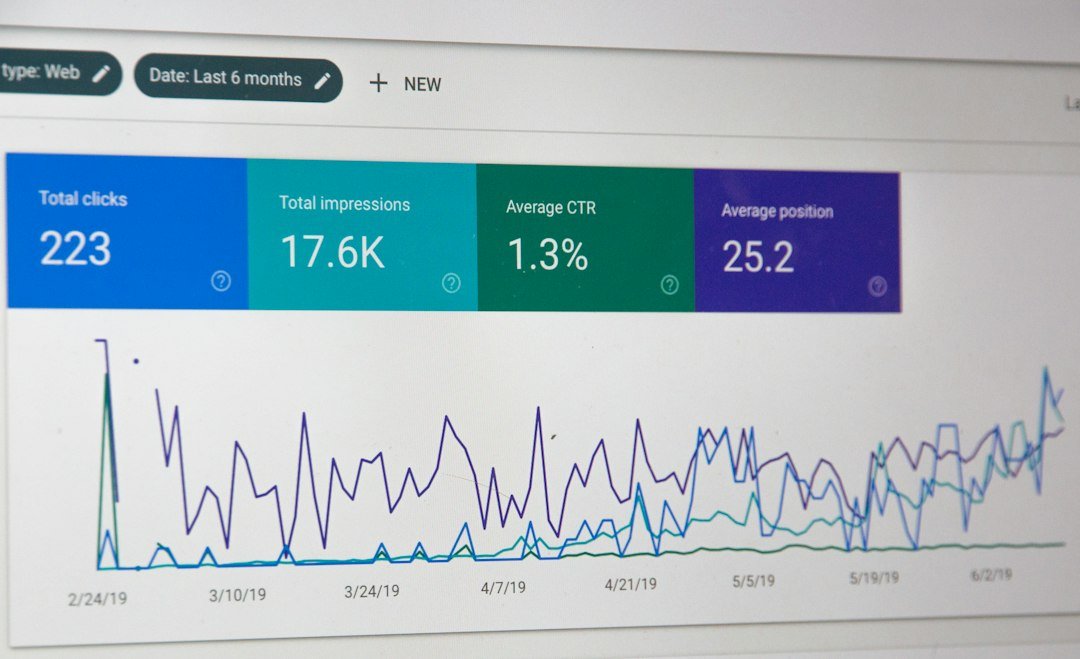
Impressions indicate how often an advertisement appears. They help assess exposure and search demand but do not establish customer interest or commercial success.
Clicks record interactions that lead users towards an advertiser’s destination. High click volumes can indicate interest, although they reveal little about visitor suitability.
Click-through rate (CTR) measures the percentage of impressions resulting in clicks. It helps evaluate advertisement appeal and relevance within a particular search context.
A high CTR is not automatically desirable when advertisements attract people seeking services the business does not provide.
Cost per click (CPC) expresses the average advertising cost of a click. It informs budget planning, but cheap clicks can still be unproductive.
Search impression share compares received impressions with estimated eligible impressions in Search campaigns. It can indicate missed visibility, subject to the platform’s estimates.
Lost impression share attributed to budget or ad rank may help identify limitations, but increasing exposure is not always commercially justified.
Conversion rate shows the proportion of relevant interactions that produce recorded conversion actions. Its interpretation depends on which actions tracking includes.
Submitting a form, calling a business, and buying a product represent different outcomes. Reports should avoid treating them as interchangeable successes.
Cost per conversion divides attributable advertising expenditure by recorded conversions. It offers a useful efficiency measure when conversion definitions remain consistent.
Cost per lead (CPL) focuses on expenditure per recorded lead. For enquiry-led campaigns, it helps assess acquisition costs before qualification or sales.
Cost per acquisition (CPA) should reflect the specific acquired outcome being measured, such as a customer or defined conversion. Reports must state that definition.
CPL and CPA can appear similar in advertising dashboards. Their commercial meaning differs when leads do not reliably become paying customers.
Conversion value assigns a monetary amount to a recorded outcome when the advertiser can measure or reasonably assign that amount.
E-commerce purchases may provide transaction values. Lead generation businesses may need carefully justified estimates or sales data before using value-based reporting.
Return on ad spend (ROAS) compares attributed conversion value with advertising expenditure. It helps assess revenue efficiency, not net profitability.
A campaign can generate revenue exceeding advertising expenditure and still lose money after product costs, fulfilment, management fees, and other relevant expenses.
Where reliable revenue values are unavailable, reporting should not manufacture precise returns. Qualified enquiries and subsequent sales progress may offer more defensible evidence.
Lead quality examines whether incoming enquiries match the intended customer profile, service location, purchasing requirements, or other agreed qualification criteria.
High enquiry volumes can conceal duplicate submissions, irrelevant requests, or contacts that a sales team cannot convert.
Relevant business outcomes may include confirmed appointments, accepted quotations, completed purchases, revenue, or repeat customers, depending on the business model.
Offline records can help connect advertising activity with later sales, although privacy requirements, technical limitations, and attribution gaps may affect measurement.
A useful report separates advertising activity from results that matter commercially. It also explains changes, measurement limitations, and proposed actions.
For example, rising CPC may warrant investigation, but reducing bids without reviewing conversion quality could undermine valuable customer acquisition.
Depending on available data, reports may also distinguish new customers from returning purchasers when assessing commercial performance.
ANS Web Solution aligns reporting priorities with each campaign’s objectives. No single metric gives every business an accurate picture of paid search performance.
The strongest decisions come from examining several relevant indicators together, checking tracking reliability, and considering the business circumstances behind the numbers.
Choosing the right search engine marketing agency requires careful consideration of campaign planning, advertising expenditure, performance measurement, and communication.
ANS Web Solution focuses on connecting paid search activities with practical business requirements, helping companies make informed advertising decisions.
Our approach emphasises relevant targeting, measurable objectives, budget awareness, and ongoing performance evaluation without relying on unrealistic promises.
Every business has different advertising priorities. Some need qualified enquiries, while others want online purchases, appointment bookings, or increased demand for specific services.
ANS Web Solution approaches campaign planning by considering these objectives alongside the available budget, target audience, and competitive environment.
Rather than treating every campaign identically, we focus on selecting suitable advertising activities that reflect each business’s commercial requirements.
Campaign priorities should also account for customer value, service availability, and the company’s capacity to manage additional enquiries.
Increasing website visits means little when those visitors have no genuine interest in the advertised products or services.
Our approach prioritises relevant search queries, appropriate geographic coverage, and advertisements that accurately communicate the business offering.
ANS Web Solution considers customer intent when developing campaign structures and reviewing search term performance.
The objective is to reduce unnecessary expenditure on unsuitable traffic while creating opportunities to attract prospective customers with relevant requirements.
Businesses need visibility over advertising expenditure and the factors influencing campaign costs.
ANS Web Solution incorporates budget considerations into campaign planning, bidding evaluations, and ongoing performance reviews.
Our approach considers the relationship between advertising costs, conversion quality, and potential customer value.
Rather than pursuing inexpensive clicks without context, we assess whether expenditure supports meaningful business objectives.
Advertising budgets should remain aligned with financial priorities, operational capacity, and the evidence available from campaign performance.
Clear reporting helps businesses assess what their advertising investment produces and which decisions require further attention.
ANS Web Solution emphasises meaningful performance indicators, including advertising expenditure, relevant conversions, acquisition costs, and available information about lead quality.
Reporting should distinguish recorded advertising activity from confirmed business outcomes.
A high number of impressions or clicks cannot independently establish commercial success.
Performance discussions should explain significant changes, measurement limitations, and the reasoning behind proposed campaign adjustments.
This approach supports accountability without presenting uncertain results as guaranteed achievements.
Successful campaign management requires cooperation between the business and its advertising service provider.
Before engagement, both parties should clarify campaign objectives, account access, advertising budgets, approval responsibilities, reporting expectations, and management scope.
ANS Web Solution encourages discussions that establish these requirements before major advertising decisions take place.
Businesses should retain appropriate visibility over their advertising accounts and know which activities fall within the agreed service arrangement.
Clear communication also helps identify changes in pricing, service availability, customer demand, or sales priorities that could affect campaign performance.
Paid search campaigns require periodic assessment because competition, search behaviour, and business requirements can change.
ANS Web Solution focuses on evidence-based optimisation rather than making frequent adjustments without a defined purpose.
Performance reviews consider search relevance, advertisement effectiveness, expenditure allocation, conversion tracking, and available customer feedback.
Some findings may justify immediate corrections, while others require additional data before reliable decisions become possible.
This measured approach helps maintain campaign consistency while identifying opportunities for practical improvement.
ANS Web Solution supports businesses seeking a structured approach to paid search advertising and measurable campaign management.
Contact ANS Web Solution to discuss your advertising objectives, target market, existing campaigns, and budget considerations.
Our team can help assess the appropriate scope of search engine marketing services for your business and identify suitable next steps.

Multi-location structured data becomes harder when one organisation operates several physical premises, because every branch needs accurate information while still relating clearly to the wider business. Each genuine…
Sunil Singh Rawat • 30/09/2026

User-generated content can strengthen organic search performance when it adds useful, relevant information to pages that already serve a clear purpose. Reviews, questions, discussions, photos, testimonials, and practical…
Sunil Singh Rawat • 30/09/2026
AI-generated summaries can change how customers research local services, but they do not remove the need for Google Maps, Google Business Profiles, location pages, reviews, and action-focused results.…
Sunil Singh Rawat • 22/09/2026

Share your target market, advertising platforms, campaign objectives, budget considerations, and the conversions that matter most to your business.
Build a search engine marketing strategy focused on relevant search demand, controlled advertising spend, and measurable business actions.