Strengthen your brand’s organic presence with structured SMO services focused on profile quality, content discoverability, brand consistency, and audience relevance. ANS Web Solution provides professional Social Media Optimization support designed to refine how business profiles and content appear, communicate, and perform across relevant platforms.
Our approach focuses on improving profile information, content presentation, search visibility, brand alignment, calls to action, media optimisation, and platform-specific elements that influence organic performance potential. Each social media optimization service aligns with business priorities, audience behaviour, and platform requirements to create a clearer, more consistent, and professionally optimised social presence.

Social Media Optimization, or SMO, is the process of refining a brand’s social profiles, account information, content, media, and platform presence to improve organic discoverability, relevance, consistency, and engagement potential. Unlike routine posting, effective optimisation examines how each account communicates the brand, how users can find it, and how individual content elements support visibility within each platform.
A professional social media optimization service looks beyond publishing frequency. It focuses on the structure and quality of an existing social presence, including profile names, business information, biographies, links, calls to action, visual assets, content formats, keyword relevance, and platform-specific presentation. These elements work together to help users identify the business quickly and interact with its content more easily.
Strong social media profile optimization starts with accurate, complete, and clearly presented account information. A profile may already be active but still contain weak descriptions, inconsistent branding, outdated details, unclear links, or incomplete business information.
Professional optimisation may review areas such as:
These activities form part of broader social media account optimization, which aims to create a more organised and useful foundation before ongoing content activity takes place.
SMO also covers the way posts, images, videos, captions, keywords, and supporting information are structured. Social media content optimization considers both audience relevance and platform presentation rather than treating every channel as an identical publishing space.
Content may require adjustments to its wording, format, visual hierarchy, media quality, topic focus, calls to action, or categorisation. Social media post optimization, for example, can involve refining captions, improving topic relevance, presenting information more clearly, and using suitable keywords or hashtags where they add genuine value.
Visual content requires similar attention. Social media image optimization considers clarity, branding, relevance, and presentation, while social media video optimization focuses on how video content communicates its purpose and fits the platform environment. The objective is not to manipulate platform systems but to make content easier for audiences and platform search features to interpret.
A business can publish useful content consistently and still struggle to build a strong organic social presence if its profiles, page information, content structure, and branding remain poorly optimised. Professional social media optimization services address these structural weaknesses so audiences can identify the business more easily, interpret its offer clearly, and engage with content presented in a platform-appropriate format.
Many social accounts develop gradually. Different employees may update profile information, visual assets may change without being standardised, links can become outdated, and content may follow inconsistent formats. Over time, these issues can create a fragmented presence that affects discoverability, brand recognition, and the quality of interactions generated through organic activity.
A profile often forms one of the first points of contact between a business and someone researching its brand. Missing information, vague descriptions, mismatched visuals, or unclear calls to action can make that profile less useful.
Professional social media profile optimization services can identify and correct issues such as:
Structured social media profile enhancement services help create a more complete and coherent account presence rather than simply changing cosmetic elements.
Organic visibility depends partly on how clearly profiles and content communicate their subject matter. Social media visibility optimization considers profile wording, content topics, keywords, account information, media presentation, and platform-specific organisation so the business can create stronger relevance signals.
Content also needs to suit the environment in which users encounter it. A post copied across several platforms without adapting its structure, caption, media format, or audience context may not communicate equally well everywhere. Effective social media content optimization services refine these elements according to the purpose of the content and the platform where it appears.
The process may also review hashtags where they remain relevant, caption clarity, content organisation, media presentation, and the relationship between published posts and the broader brand message. Better alignment can improve organic discoverability potential without relying on paid distribution.
Consistency does not require identical content on every platform. Instead, audiences should encounter a recognisable business identity while each account uses its platform appropriately.
Social media brand optimization aligns profile messaging, visual presentation, business information, tone, and content themes around a consistent identity. Clearer brand presentation can also support credibility because users receive fewer conflicting signals as they move between channels.
This consistency matters particularly when several people contribute to social activity or when a business maintains multiple active profiles. Structured social media presence optimization provides a clearer framework for how those accounts represent the organisation.
Low engagement does not always mean an audience has no interest in a business. Content may attract impressions but fail to encourage useful interaction because the message lacks clarity, the format does not suit the platform, the audience targeting is too broad, or the next action remains unclear.
Social media engagement optimization examines these controllable elements rather than promising a specific number of likes, comments, shares, followers, or enquiries. Better topic alignment, clearer presentation, stronger media, relevant calls to action, and more focused audience messaging can create better conditions for meaningful interaction.
ANS Web Solution provides structured social media optimization services that focus on improving how business profiles, pages, content, and visual assets appear across relevant social platforms. The work goes beyond basic account setup. Each activity addresses specific elements that can influence profile clarity, organic discoverability, brand consistency, content presentation, and audience interaction.
The scope of an SMO service can vary according to the condition of existing accounts, the platforms a business uses, its target audience, and its communication priorities. Rather than applying identical changes everywhere, optimisation should reflect how each platform organises information and how users interact with business content.
Strong profiles provide accurate information and communicate the brand without forcing users to search for basic details. Our social media account optimization services review the structural elements of existing accounts and identify areas that require refinement.
Core profile-related activities may include:
This work can form part of broader social media profile management and optimization, especially when multiple profiles require coordinated updates and ongoing consistency checks.
Publishing content does not automatically make it well optimised. Structure, wording, topic relevance, visual presentation, and audience context all affect how effectively a post communicates.
Our social media content optimization services can address captions, post structure, keyword relevance, topic alignment, content formatting, media presentation, and calls to action. Social media post optimization focuses on improving individual posts so their purpose becomes clearer and their presentation better suits the selected platform.
Where relevant, optimisation may also include:
A planned approach to social media content strategy optimization also helps reduce disconnected posting by linking content topics, audience needs, business priorities, and available formats.
Visual content needs more than attractive design. It should communicate its subject quickly, remain consistent with the brand, and fit naturally into the intended platform environment.
Social media image optimization may address visual hierarchy, branding, readability, relevance, and consistency between creative assets. The objective is to make images easier to interpret while maintaining a recognisable visual identity.
Similarly, social media video optimization focuses on presentation, message clarity, supporting text, content relevance, and the way video assets fit into the wider profile and content strategy. Different platforms may require different approaches, so one version should not automatically replace platform-specific consideration.
Our social media page optimization services also consider how individual profile elements connect with overall organic visibility. Page information, profile completeness, content organisation, audience relevance, media quality, and consistent branding can collectively support stronger discoverability.
Social media reach optimization and social media audience optimization focus on improving controllable factors around relevance and presentation rather than promising specific reach levels. Likewise, social media engagement improvement services examine content clarity, audience fit, presentation, and interaction opportunities without treating likes or comments as guaranteed outcomes.
Every social platform presents business information, media, conversations, and content differently. Effective social media optimisation services therefore require more than copying the same profile text or post format across multiple channels. ANS Web Solution considers the audience, business model, available content, brand goals, and organic opportunities associated with each selected platform before defining optimisation priorities.
A company does not need to maintain every available social channel. The strongest platform mix usually reflects where relevant audiences spend attention, what content the business can produce consistently, and how each channel supports its commercial objectives.
Facebook business pages can contain several elements that influence how clearly visitors interpret a brand. Optimisation focuses on maintaining accurate business information, consistent branding, useful page descriptions, appropriate calls to action, relevant links, and well-presented content.
Facebook-focused social media page optimization may include reviewing profile and cover visuals, page information, post presentation, caption structure, content organisation, and media consistency. For businesses serving local audiences, maintaining accurate public-facing details can also help people identify the correct business and access relevant information without unnecessary friction.
Instagram relies heavily on visual presentation, profile clarity, content organisation, and concise communication. A professionally optimised account should make the brand identity and business purpose apparent without requiring visitors to examine numerous posts.
Optimisation may address the profile name, bio, link placement, visual consistency, caption structure, content themes, images, videos, and hashtags where relevant. Social profile optimization services can also review whether profile messaging aligns with the content users encounter after entering the account.
For brands that publish visual or short-form content frequently, consistency between creative assets and messaging helps create a more coherent profile rather than a disconnected collection of posts.
LinkedIn optimisation often requires a stronger focus on professional positioning, business information, industry relevance, service communication, and audience context. Company pages should communicate what the organisation does and present content in a manner suited to professional audiences.
A social media optimization consultant may review company descriptions, branding, page information, website links, content themes, post structure, terminology, and calls to action. B2B organisations may also require closer alignment between their company positioning and the subjects addressed through organic content.
X generally benefits from clear profile positioning and concise communication. Profile names, descriptions, imagery, links, and published content should reinforce a recognisable brand identity.
Optimisation can focus on profile clarity, topic relevance, post formatting, media use, content consistency, and audience alignment. Rather than publishing unrelated updates simply to maintain activity, businesses can organise their presence around subjects that reflect their expertise, services, industry interests, or customer concerns.
YouTube requires both channel-level and content-level attention. Channel branding, descriptions, content organisation, video presentation, titles, supporting descriptions, and other available information can affect how easily viewers interpret the channel and its content.
A structured social media video optimization approach connects individual videos with broader brand themes instead of treating each upload as an isolated asset. Clear topic communication, consistent visual presentation, relevant wording, and organised channel content can support stronger organic discoverability potential.
Pinterest can suit businesses that communicate effectively through visual ideas, products, inspiration, educational material, or other image-led content. Optimisation may involve profile information, visual consistency, content categorisation, descriptive wording, and organised content presentation.
TikTok requires a different approach because short-form video, creator-style communication, audience relevance, and concise messaging often shape how brands present themselves. Optimisation should focus on profile clarity, brand consistency, video presentation, topic alignment, supporting text, and content organisation without forcing the platform into the same structure used elsewhere.
ANS Web Solution follows a structured process that connects business objectives, audience needs, profile quality, content relevance, and platform-specific optimisation. Rather than changing isolated profile elements without context, the process reviews how each social account currently represents the business and identifies improvements that can strengthen organic visibility and communication.
Each project may require different priorities depending on account condition, platform mix, available content, brand maturity, and business goals. The process therefore focuses on relevant actions instead of applying the same checklist to every organisation.
A detailed Social Media Optimization Audit provides the foundation for effective improvements. It examines existing accounts before major optimisation work begins, helping identify gaps that may affect profile clarity, discoverability, branding, content presentation, or audience relevance.
The audit can assess areas such as:
The audit does not rely on an artificial score to declare an account successful or unsuccessful. Instead, it identifies practical optimisation priorities that can inform subsequent work.
After the audit, ANS Web Solution connects the findings with the organisation’s business objectives and target audience. This stage helps determine which platforms, profile elements, content types, and visibility factors deserve the greatest attention.
The broader process generally includes:
Once priorities are defined, ANS Web Solution applies approved improvements to relevant profile and content elements. This may involve social media profile optimization, account information refinement, bio changes, link improvements, media adjustments, caption optimisation, content restructuring, or other platform-specific actions.
Quality checks then confirm that updated information remains accurate, branding stays consistent, links function correctly, and content changes support the intended business message.
Optimisation also benefits from continued review. Performance patterns can indicate which topics, formats, calls to action, or profile elements require further adjustment. A social media optimization expert or SMO consultant can use these observations to refine controllable factors without treating organic performance as guaranteed.
Discuss your profiles, content structure, platform priorities, audience relevance, and organic visibility goals with ANS Web Solution.
Professional SMO services create value by improving the individual elements that shape how a business appears, communicates, and supports organic interaction across social platforms. The benefits come from deliberate optimisation of profiles, content, media, account information, and audience alignment rather than from simply increasing publishing volume.
A well-structured social presence gives users clearer information, creates stronger consistency across channels, and helps content fit the environment where people encounter it. The exact impact varies by platform, audience, competition, content quality, and account history, but professional optimisation can strengthen several controllable areas of organic performance.
Social media visibility improvement services can improve the way profiles communicate their relevance through accurate names, business descriptions, categories, keywords, links, and other available account fields. Clearer profile information can make it easier for platform users to identify an account that matches their interests or search intent.
Discoverability also depends on consistency. When profile descriptions, brand names, imagery, and business information support the same identity, users can recognise the organisation more easily across multiple channels.
A fragmented social presence can weaken recognition. Different logos, outdated descriptions, inconsistent service messaging, or conflicting information may make profiles appear disconnected.
Social media presence enhancement addresses these gaps by aligning visual identity, account descriptions, business details, tone, and recurring content themes. Consistency does not mean publishing identical material everywhere. Each platform can retain its own communication style while remaining clearly connected to the same brand.
Other practical benefits of professional optimisation include:
Organic performance depends partly on how effectively content communicates its purpose. A useful message can lose impact if the caption lacks focus, the visual hierarchy is unclear, the media does not match the subject, or the post provides no logical next step.
Social media engagement improvement services can assess these controllable factors and refine the way content reaches its intended audience. Improvements may involve stronger topic alignment, clearer formatting, better media presentation, more relevant calls to action, or adjustments to recurring content themes.
Likewise, social media brand visibility services can coordinate profile and content optimisation so the business maintains a recognisable identity wherever audiences encounter it.
Different organisations need different optimisation priorities because audience behaviour, buying cycles, content resources, geographic reach, brand maturity, and platform relevance vary significantly. Effective social media optimization for businesses should reflect these differences rather than apply the same profile structure, content approach, or platform mix to every organisation.
ANS Web Solution evaluates the commercial role of each account before recommending optimisation priorities. A local service company may need accurate location information and strong profile clarity, while a B2B organisation may place greater emphasis on professional positioning, industry relevance, and content that supports longer decision-making cycles.
Social media optimization for small businesses often starts with improving profile completeness and concentrating resources on the platforms most relevant to the target audience. Smaller organisations may not have the time or content capacity to maintain numerous active accounts, so optimisation should support efficiency as well as visibility.
Priorities may include accurate contact information, clear service descriptions, consistent branding, location details, website links, appropriate calls to action, and content focused on common customer needs. A more focused platform strategy can also help prevent resources from being divided across channels that provide limited relevance.
Affordable service selection does not mean reducing optimisation to basic profile edits. Businesses searching for affordable SMO services should consider whether the provider offers a clearly defined scope, relevant account reviews, content optimisation, platform-specific recommendations, and ongoing refinement appropriate to the available budget.
Social media optimization for startups often involves establishing consistency before the brand expands its publishing activity. Early-stage companies may still be refining their positioning, messaging, visual identity, and audience priorities, which can lead to inconsistent profiles if each account develops independently.
Optimisation can help organise core brand information, define how the company describes its offer, align profile visuals, improve link placement, and establish relevant content themes. As the business evolves, these elements can be reviewed so social profiles continue to reflect current services and positioning.
Growing organisations may also need clearer coordination between employees or teams responsible for different channels. Consistent profile standards and defined content priorities can reduce conflicting information as social activity increases.
A professional social media optimization company should consider how the organisation sells, communicates, and serves its audience. Common differences include:
Social media optimization for brands with established audiences often requires refinement rather than basic setup. Older profiles may contain outdated descriptions, legacy links, inconsistent visual elements, or content structures developed under previous marketing priorities.
A structured review can identify which elements still reflect current positioning and which require adjustment. Social media presence enhancement may involve aligning profiles with updated brand messaging, reviewing content categories, improving visual consistency, refining calls to action, and assessing whether every active platform still serves a clear purpose.
Business maturity also affects measurement priorities. Newer organisations may focus on building a consistent foundation, while established brands may place greater emphasis on improving content organisation, audience relevance, cross-platform consistency, and ongoing performance refinement.
Organic social performance depends on the quality of the profile, the relevance of published content, the way media is presented, and how consistently a business communicates across its selected platforms. Professional social media optimization services improve these controllable elements so profiles and content have a stronger foundation for discoverability, audience relevance, and meaningful interaction.
Effective optimisation does not guarantee reach, engagement, followers, enquiries, or conversions. Platform behaviour, competition, audience interest, content quality, account history, and other factors can influence results. SMO focuses on improving performance potential by making the social presence clearer, more relevant, and better organised.
Social profiles often contain fields that help users identify what an account represents. Names, descriptions, categories, business information, keywords, links, and other available details can contribute to how clearly the profile communicates its purpose.
Social media presence optimization reviews these elements so the account uses relevant information consistently. Strong profile completeness can also reduce ambiguity. A user who reaches the page should be able to recognise the brand, identify its services or subject area, and locate the next relevant action without unnecessary searching.
Search-friendly wording should remain natural. Keyword use works best when it accurately describes the business rather than turning profiles into collections of search phrases.
Organic content needs to match both audience interests and the way each platform presents information. Social media content strategy optimization helps organise publishing around relevant subjects instead of producing disconnected posts with little relationship to business priorities.
Several optimisation activities can support stronger content performance potential:
These improvements support social media reach optimization by strengthening the relevance and presentation factors that the business can directly control.
Content can generate impressions without producing meaningful interaction if it reaches people who have little connection with the subject. Social media audience optimization focuses on clarifying who the business wants to reach and shaping content around those users’ interests, questions, priorities, or decision-making needs.
Audience alignment can influence topic selection, writing style, media choice, content depth, platform selection, and calls to action. A clearer audience focus can also help a business avoid publishing material solely because a format or topic appears popular.
Social media engagement optimization builds on that relevance. Posts that communicate clearly, answer useful questions, present information effectively, and provide appropriate opportunities for interaction can create better conditions for engagement than content produced without a defined audience or purpose.
Media contributes significantly to the way social content communicates. Social media image optimization can improve visual clarity, brand consistency, readability, and relevance. Social media video optimization can address how clearly the content presents its topic, how well supporting text explains its purpose, and how effectively the asset fits the selected platform.
Platform-native formatting also matters. The same message may need different presentation choices across LinkedIn, Instagram, YouTube, Facebook, or other channels. Optimising format does not require changing the brand message; it requires presenting that message in a way that suits each platform environment.
Organic optimisation should remain responsive to actual content performance. Reviewing recurring patterns can reveal which topics attract relevant interaction, which formats communicate effectively, which calls to action receive useful responses, and which profile elements still create friction.
An experienced social media optimization agency can use these observations to refine content organisation, profile information, media presentation, and audience alignment over time. Social media visibility optimization therefore works as an ongoing process rather than a single set of profile edits.
Choosing an SMO provider requires more than finding a team that can update profiles or publish social posts. Effective optimisation should connect profile structure, audience relevance, brand consistency, content presentation, platform selection, discoverability, and ongoing refinement with clear business priorities.
ANS Web Solution approaches social media optimization services with a structured, business-focused process. Recommendations are based on the condition of existing accounts, the platforms that matter to the organisation, the content available, and the way each profile supports wider brand communication. The objective is to improve controllable elements of organic social performance without making unrealistic promises about reach, engagement, followers, enquiries, or conversions.
Every organisation starts from a different position. Some businesses need significant profile improvements, while others already maintain complete accounts but require better content organisation, visibility, or cross-platform consistency.
ANS Web Solution reviews those differences before defining the scope of a social media optimisation service. Instead of applying identical changes across every channel, optimisation priorities can focus on areas such as:
This approach keeps the service focused on meaningful optimisation rather than activity for its own sake.
Businesses comparing an SMO company, SMO agency, or independent provider should know what work they will actually receive. Vague promises about “growth” provide little information about how an account will be improved.
ANS Web Solution focuses on practical service scope. Recommendations can identify which profile fields need attention, where branding lacks consistency, which links or calls to action require refinement, how content presentation can improve, and which platforms deserve greater or lower priority.
The same principle applies when businesses search for the best SMO services. No responsible provider can establish “best” status for every company or guarantee a particular outcome. A more useful comparison examines service relevance, process clarity, platform knowledge, realistic expectations, communication, and the ability to connect optimisation decisions with business needs.
Professional SMO experts should separate activities they can control from outcomes influenced by audiences and platforms. Profile quality, content structure, media presentation, messaging, account consistency, and optimisation priorities can all be improved directly. Organic reach or engagement, however, can vary for reasons outside any provider’s control.
ANS Web Solution maintains that distinction when planning optimisation work. The focus remains on creating stronger conditions for organic performance rather than attaching guarantees to metrics that cannot be guaranteed responsibly.
A well-defined SMO agency relationship should also remain transparent about platform relevance. Not every business needs every network, every content format, or every optimisation tactic. Recommendations should reflect the organisation’s audience, resources, services, and available content rather than expanding the scope unnecessarily.
ANS Web Solution brings profile refinement, content optimisation, platform-specific planning, brand consistency, audience relevance, and ongoing review into one coordinated service. The approach remains flexible enough to support accounts at different stages while keeping optimisation tied to practical commercial priorities.
Businesses looking to improve the structure, consistency, discoverability, and organic performance potential of their social presence can discuss their current accounts and optimisation requirements with ANS Web Solution. The conversation can identify the platforms that matter, the areas requiring attention, and an appropriate scope for professional SMO support.

Multi-location structured data becomes harder when one organisation operates several physical premises, because every branch needs accurate information while still relating clearly to the wider business. Each genuine…
Sunil Singh Rawat • 30/09/2026
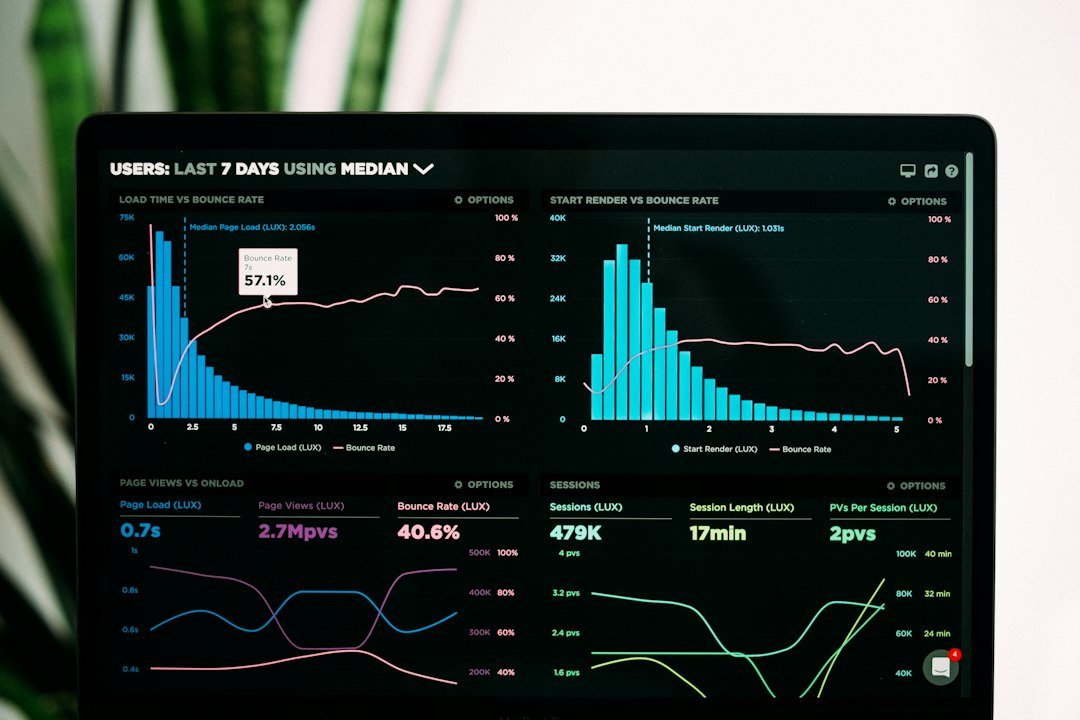
User-generated content can strengthen organic search performance when it adds useful, relevant information to pages that already serve a clear purpose. Reviews, questions, discussions, photos, testimonials, and practical…
Sunil Singh Rawat • 30/09/2026
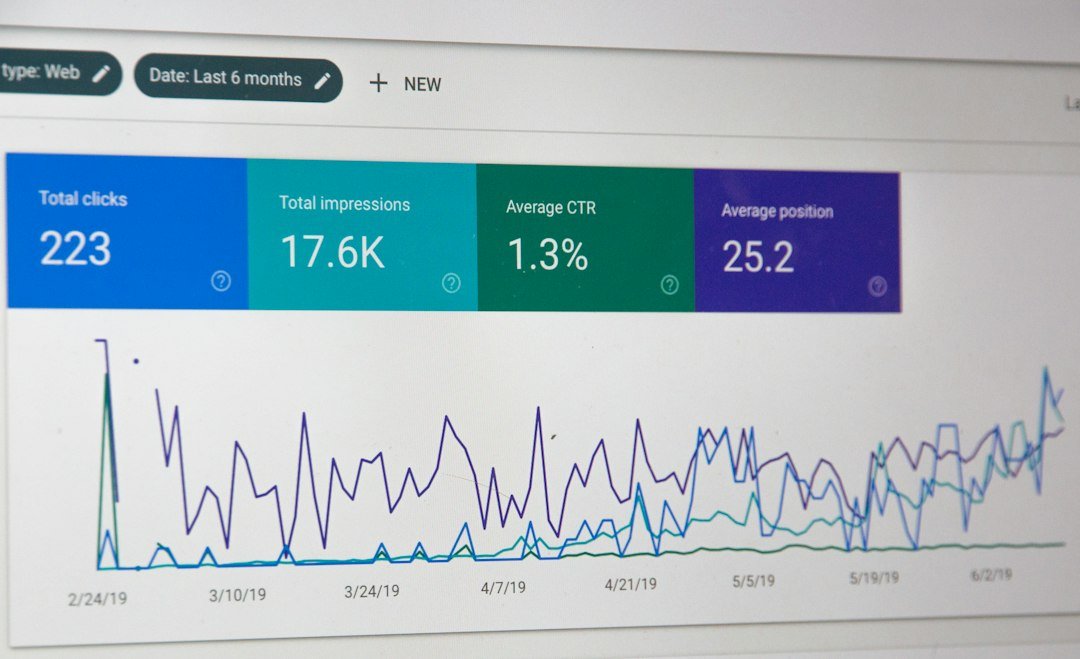
AI-generated summaries can change how customers research local services, but they do not remove the need for Google Maps, Google Business Profiles, location pages, reviews, and action-focused results.…
Sunil Singh Rawat • 22/09/2026

Share your active platforms, profile challenges, content priorities, audience goals, and areas where your organic social presence needs improvement.
Strengthen profile quality, content relevance, brand consistency, and organic discoverability with ANS Web Solution.